




An Untouched Himalayan Gem
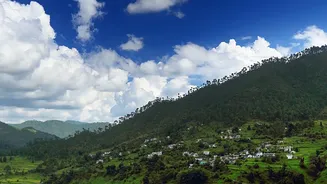
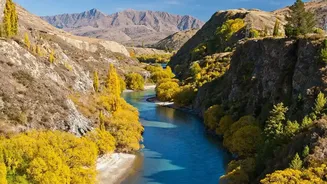
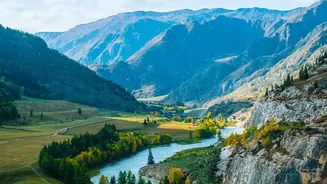
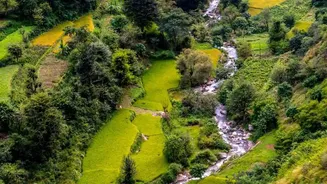
Nestled in the Kullu district, Tirthan Valley is a tranquil paradise that feels worlds away from the packed streets of Shimla and Manali. Named after the pristine Tirthan River that flows through it, the valley is the gateway to the Great Himalayan National
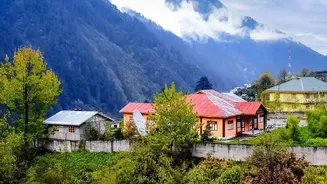
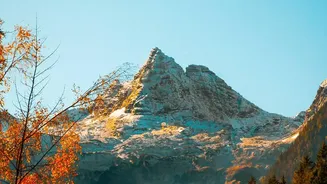
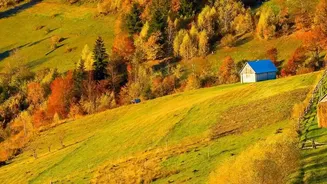
Park (GHNP), a UNESCO World Heritage Site. Its charm lies in its raw, uncommercialised beauty, with dense pine forests, sprawling apple orchards, and traditional wooden homes dotting the landscape. Unlike other tourist hotspots, Tirthan has intentionally avoided large-scale hotel construction, preserving its peaceful atmosphere and making it a haven for those seeking a quiet, nature-centric holiday.
Gateway to the Great Himalayan National Park
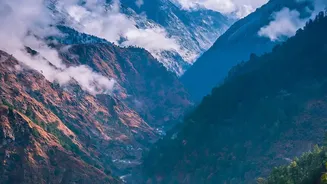
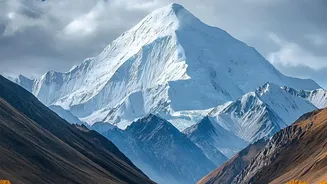
The Great Himalayan National Park is the valley's crown jewel, a massive, roadless wilderness teeming with biodiversity. It is home to hundreds of species of flora and fauna, including rare and protected animals like the Western Tragopan and the musk deer. For adventure enthusiasts and nature lovers, the park offers a variety of treks ranging from easy day hikes to challenging multi-day expeditions. Popular treks lead to stunning alpine meadows, glacial valleys, and the source of the Tirthan River itself. These trails offer an immersive experience into the heart of the Himalayas, with breathtaking views at every turn.
Exploring Quaint Villages and Scenic Passes
Beyond the national park, the valley is dotted with charming villages like Gushaini, Nagini, and Jibhi, each offering a unique slice of Himachali life. A short, rewarding hike from Nagini village leads to the beautiful Chhoie Waterfall, a sacred site for locals. For a spectacular panoramic view of the Himalayas, a drive up to Jalori Pass, situated at an altitude of over 10,000 feet, is a must. From the pass, a gentle trek through dense oak forests takes you to the serene Serolsar Lake, a crystal-clear body of water surrounded by ancient trees.
Activities for a Slower Pace
Tirthan is the perfect place to slow down and reconnect with nature. The Tirthan River is famous for its trout, and angling is a popular, meditative activity (a permit is required). You can spend an entire afternoon simply reading a book by the crystal-clear water, with the sound of the river as your only companion. Birdwatching is another rewarding pastime, as the valley is a paradise for bird lovers with numerous resident and migratory species. For those looking for a bit more activity, short village-to-village hikes, river crossing, and camping under the stars are readily available options.
Authentic Stays and Local Flavours
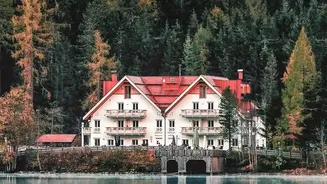
The soul of Tirthan lies in its homestays. Instead of large hotels, the valley offers a warm, intimate experience through family-run guesthouses. These stays, often built in the traditional Kath-Kuni architectural style, provide a genuine connection to the local culture and community. Hosts are known for their warm hospitality and serve delicious, home-cooked Himachali meals made from fresh, local ingredients. Staying in a homestay not only offers a comfortable and authentic experience but also directly supports the local economy and promotes sustainable tourism.
Planning Your Serene Getaway
The best time to visit Tirthan Valley is during the spring and summer months (March to June) when the weather is pleasant and the landscape is lush and green. Autumn (September to November) is another excellent window, with crisp air, clear skies, and fewer tourists. To reach the valley, the most common route is by road from Delhi or Chandigarh. Travellers can take an overnight bus towards Manali and get off at Aut, from where local taxis or buses are available for the final leg of the journey into the valley, which is about an hour away. The nearest airport is in Bhuntar (Kullu), approximately 50 km away.