




From Concrete Jungles to Edible Oases
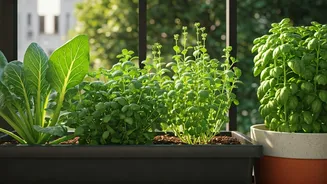
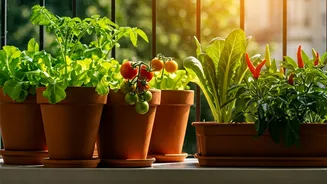
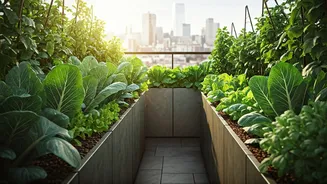
Forget a few lonely potted plants. India's burgeoning green garden trend is a full-fledged movement towards urban farming. City dwellers across the country are converting every available square foot of open-air space—be it a tiny apartment balcony or an expansive
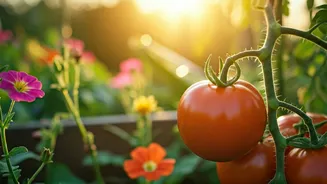
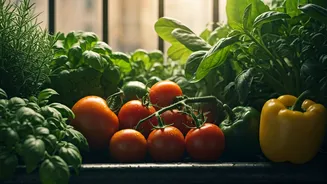
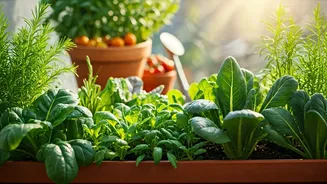
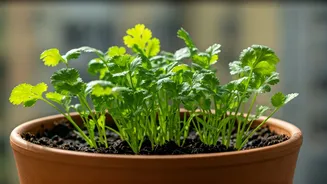
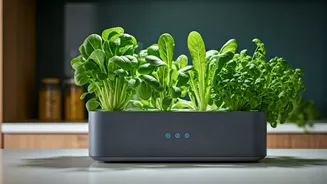
terrace—into a personal patch of farmland. This isn't just about aesthetics; it's a conscious shift towards growing one's own food. From crisp palak and juicy tomatoes to fragrant herbs like tulsi and mint, these high-rise havens are becoming a primary source of fresh, organic produce for many families. The trend represents a fundamental re-imagining of urban living, proving that you don't need a sprawling backyard to connect with the food on your plate.
Why Now? The Roots of the Movement
Several factors are fuelling this green wave. A primary driver is growing concern over food safety. Widespread reports of pesticides, artificial ripening agents, and chemical contamination in commercially sold produce have pushed many to seek control over what they consume. Growing your own food offers a transparent, farm-to-table experience that is just a few steps from the kitchen. Furthermore, the pandemic lockdown served as a powerful catalyst. Confined to their homes, many Indians rediscovered the therapeutic benefits of gardening. It became a source of mindfulness, a physical activity, and a tangible way to feel productive and connected to nature. This surge in interest has been sustained by a collective yearning for a greener, healthier lifestyle in the face of rapid urbanisation.
The 'Green' in Green Gardening
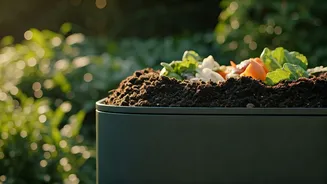
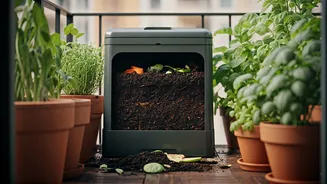
What makes this trend truly 'green' goes beyond the colour of the leaves. It’s rooted in principles of sustainability and circular living. A core practice is composting. Urban gardeners are diverting kitchen scraps—vegetable peels, eggshells, and coffee grounds—from landfills and turning them into nutrient-rich 'black gold' for their plants. This closes the loop on household waste. There's also a strong emphasis on shunning chemical inputs. Instead of synthetic fertilisers and pesticides, practitioners use natural alternatives like neem oil, panchagavya, and companion planting to manage pests and boost soil health. Water conservation is another key tenet, with many adopting drip irrigation systems or using 'self-watering' pots to minimise waste in a water-scarce nation.
More Than Just a Hobby
This movement has blossomed into a powerful community-building force. Online forums and WhatsApp groups are buzzing with activity, as novice and expert gardeners share tips, trade seeds, and troubleshoot problems together. In many apartment complexes, terrace gardening has fostered a new kind of social connection, with neighbours exchanging their harvest of brinjals for a bunch of coriander. It builds a hyper-local food system that strengthens community bonds and promotes a sense of shared purpose. For some, it has even evolved from a passion project into a small-scale business, supplying organic produce to neighbours or selling saplings and composting solutions.
Challenges on the Urban Farm
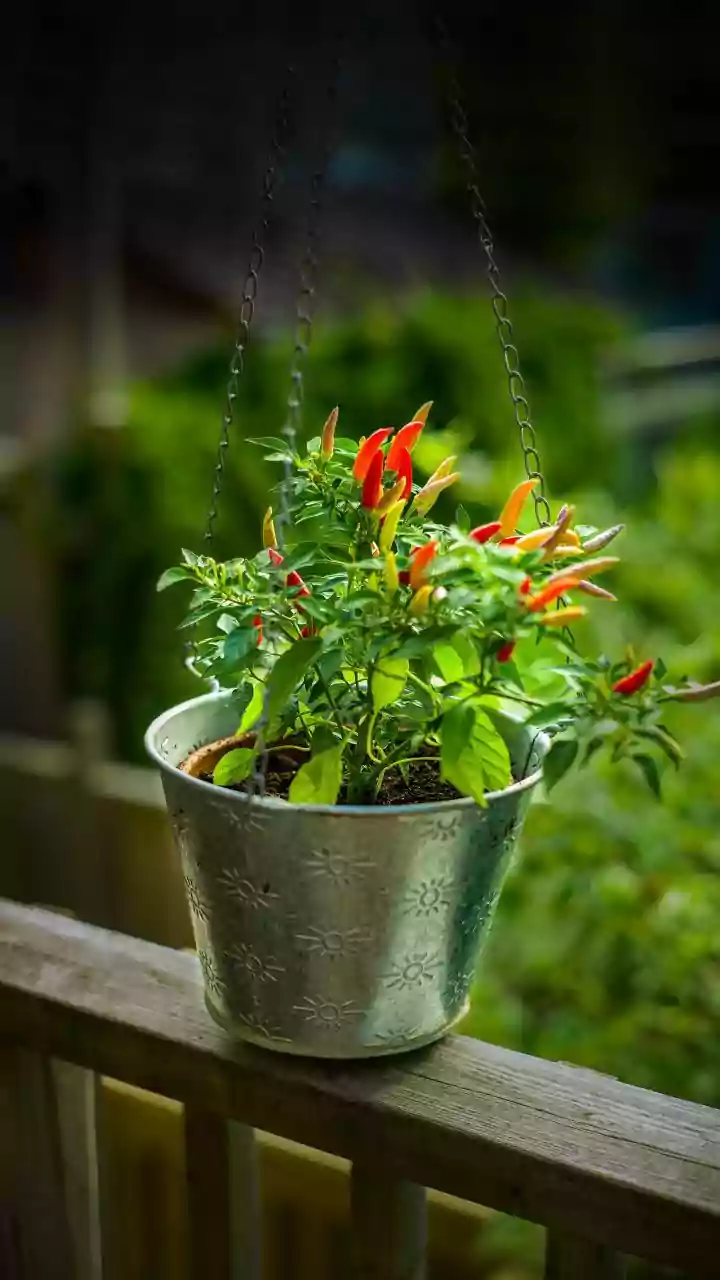
Of course, creating a farm in the sky is not without its hurdles. Space is the most obvious constraint, requiring clever solutions like vertical planters and railing pots. Sourcing good quality soil and organic seeds in a city can be a challenge. Urban environments also present unique pest problems, from pigeons feasting on saplings to resilient mealybugs. There is also a learning curve; understanding soil composition, sunlight patterns, and the specific needs of different plants takes time and patience. However, the growing community and wealth of online resources are making it easier than ever for beginners to overcome these initial obstacles and reap the rewarding harvest of their efforts.