






The Deception of Averages
On paper, a seasonal rainfall total might look perfectly healthy. The national average, however, can be deeply misleading. It often masks severe regional imbalances and, more importantly, dangerous gaps in the rainfall pattern. Experts point out that
a couple of days of intense, torrential rain cannot make up for weeks of dry weather that precede or follow. These periods, known as 'monsoon breaks' or 'dry spells', are becoming more frequent and prolonged. Instead of a steady, nourishing drizzle spread over months, the monsoon's character is increasingly becoming a volatile cycle of drought and deluge. For a farmer, a month-long dry spell followed by a flood is not an 'average' season; it's two separate disasters.
A Crop's Critical Moments
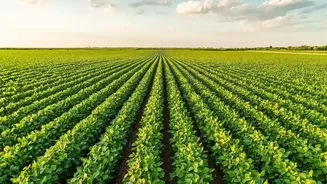
Timing is everything in agriculture. Every crop goes through critical life stages where a lack of water can be catastrophic, regardless of how much rain falls later. The first stage is germination, when seeds need moisture to sprout. An early dry spell can mean a failed start. The most vulnerable period for many Kharif crops, however, is during the reproductive phase—flowering and grain-filling. For staples like pulses (dal) and soybeans, a water deficit during this window can cause the plants to abort their flowers and pods to conserve energy. This is the plant's survival mechanism, but for a farmer, it means a direct and irreversible loss of yield. No amount of subsequent rain can bring back those lost pods or grains.
The Ripple Effects of a Dry Spell
A prolonged monsoon break triggers a cascade of problems. As the soil dries out and hardens, the crop’s root development is stunted. The plant enters survival mode, with visible signs like leaf-curling in corn or leaf-flipping in soybeans to reduce water loss from transpiration. While this helps the plant survive, it throttles photosynthesis and growth. When rain finally returns, it is often in the form of an intense downpour that the hard, cracked soil cannot absorb, leading to water runoff and soil erosion instead of replenishing groundwater. Furthermore, the fluctuating conditions of intense humidity followed by dry heat create a fertile ground for pests and diseases, adding another layer of risk for farmers.
India's Most Vulnerable Lifelines
This issue is not confined to a few niche crops; it affects the very backbone of India's food security. Rain-fed agriculture, which covers nearly half of the country's cultivated land, is entirely dependent on a well-distributed monsoon. This sector produces the vast majority of India's pulses (around 91%) and oilseeds (around 80%). Crops like soybean, pigeon pea (arhar), and groundnut are extremely susceptible to moisture stress during their mid-season growth stages. Even rice, a thirsty crop, can suffer. Studies have shown that despite normal total rainfall, rice productivity has fallen in some regions simply because the rain did not fall during the critical transplanting and tillering phases.
From Farm Fields to Your Kitchen
The consequences of erratic rainfall patterns extend far beyond the farm gate. With nearly half of India's population dependent on agriculture for their livelihood, a failed or diminished harvest leads to crippling income losses and rural distress. For the urban consumer, this translates directly into market volatility. When the production of pulses and oilseeds takes a hit, their availability in the market tightens. This supply crunch puts upward pressure on the prices of everyday essentials like dal, besan, and cooking oils, contributing to food inflation that affects every household's budget. Therefore, the rhythm of the monsoon doesn't just dictate a farmer's fortune; it has a tangible impact on the national economy and the cost of your weekly groceries.