





Why August is a Prime Time for Pruning
August sits in a sweet spot on the Indian gardening calendar. The peak monsoon has often passed, but humidity remains high, creating ideal conditions for plant recovery and growth. Pruning now isn't about drastic cutbacks; it's a strategic move to manage
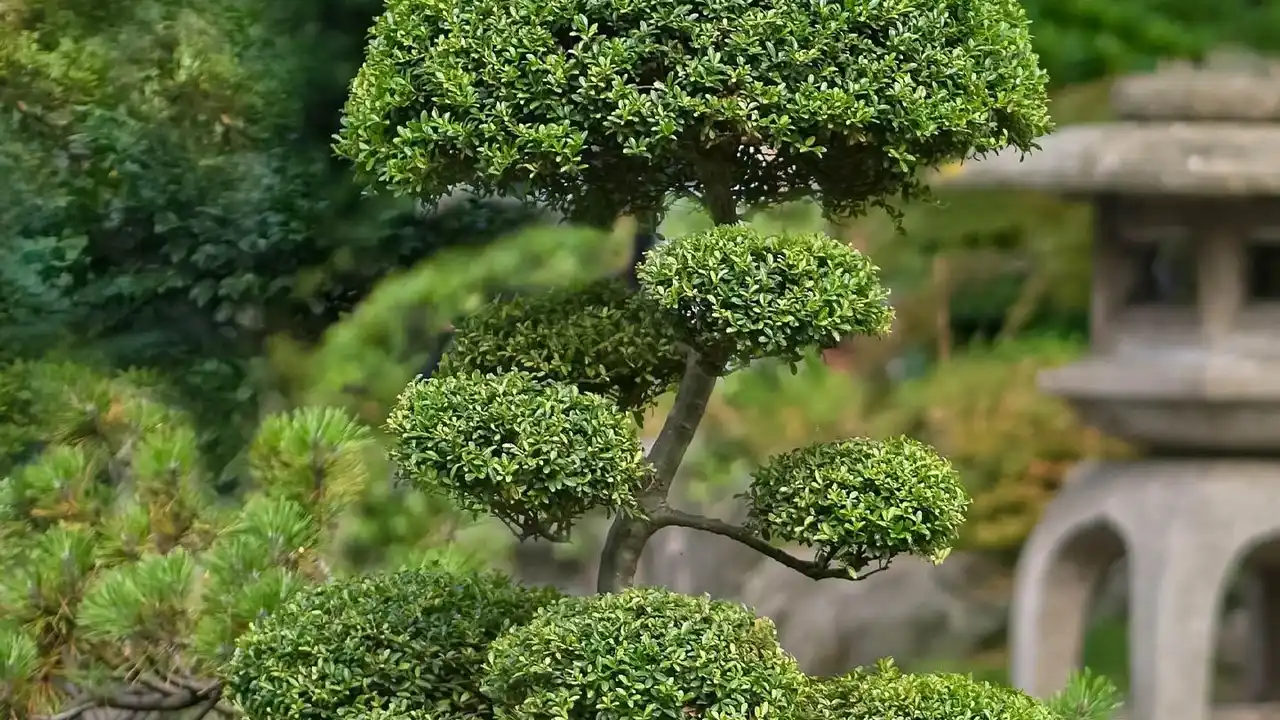
the wild, sometimes leggy growth spurred by the rains. This timely trim helps to improve air circulation, which is vital for preventing the fungal diseases that thrive in damp conditions. By removing spent flowers and shaping overgrown branches, you redirect the plant's energy from seed production to producing new, healthy foliage and, in many cases, a second flush of blooms before the season changes.
Flowering Beauties to Trim Now
Many of our favourite flowering plants are crying out for a light haircut this month. Roses, for instance, benefit greatly from deadheading spent blooms. Snipping the stem just above a healthy set of leaves encourages the plant to push out new buds for an autumn display. Similarly, tropical hibiscus, a garden staple, can be cut back by about a third to promote stronger, bushier growth and more flowers. For sprawling bougainvillea, a light trim of non-flowering branches can encourage more of its colourful bracts to appear. The goal with these plants is to remove faded flowers and shape them without performing a hard prune, which can slow down recovery.
Taming Overenthusiastic Climbers and Creepers
Monsoon rains can send climbers and creepers into overdrive, quickly making a garden look untidy. August is the perfect time to rein them in. Vigorous climbers like wisteria benefit from having their long, green shoots trimmed back to about five or six leaves from the main stem. This not only tidies the plant but also encourages it to form the flowering spurs that will result in a more spectacular display next spring. For other vine vegetables and creepers that may have become unruly, a trim helps to remove excess weight, improve light penetration to lower leaves, and maintain a manageable shape. Always use clean, sharp tools to make your cuts.
Caring for Fruit-Bearing Plants
The post-monsoon period is also relevant for some fruit trees. In parts of India, this is a key time for pruning certain species to ensure their health and future yield. For trees like curry leaf, pruning back branches encourages bushy growth, resulting in a plentiful harvest of leaves. Many gardeners also perform light pruning on trees like lemon or guava after a major fruiting cycle has ended. This involves removing any dead or crossing branches and lightly shaping the canopy to improve airflow. This practice helps the tree recover and prepare for its next growth cycle without the stress of a heavy prune during wet weather.
The Golden Rules of August Pruning
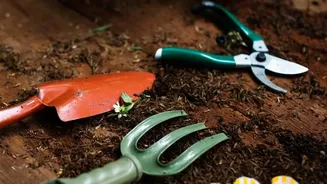
To make your pruning efforts successful, a few key principles apply. First, always use clean, sharp shears or secateurs to make clean cuts and prevent the spread of disease. When trimming branches on flowering shrubs, try to cut just above a leaf node (the point where a leaf grows) at a slight angle. This encourages water to run off and promotes new growth from that node. It's generally best to prune on a dry morning to allow the cuts to heal before evening dampness sets in. Avoid severe pruning during extended wet spells, as this can slow a plant's recovery. Focus on removing dead, damaged, or diseased growth first before moving on to shaping the plant.
Plants to Leave Untouched This Month
Just as important as knowing what to prune is knowing what to leave alone. Many shrubs and trees that flower in the spring, such as certain varieties of hydrangea or rhododendron, have already set their flower buds for next year's show. Pruning them now would mean sacrificing those future blooms. As a general rule, if a plant flowers in early spring on old wood, it's best to prune it immediately after it finishes flowering, not in late summer. Always identify your plant type and its flowering habits before you start cutting. When in doubt, a light trim to remove only dead or broken branches is the safest approach.