



A strong, well-defined back is a cornerstone of a powerful physique and good posture. The seated row is a fantastic exercise to achieve this, but only if performed correctly. The secret lies in proper form, not just lifting heavy weight.
Why Seated Rows Deserve a Spot in Your Routine
The seated row
is a compound exercise, meaning it works multiple muscle groups at once, making it incredibly efficient. The primary targets are the major muscles of the back, including the latissimus dorsi (lats), rhomboids, and trapezius. These muscles are crucial for pulling actions, maintaining an upright posture, and creating that desirable 'V-taper' shape. For many people who spend hours hunched over desks or phones, the seated row is a powerful corrective exercise. It strengthens the muscles responsible for pulling the shoulders back, which can help counteract the effects of daily slouching and reduce the risk of upper back stiffness and shoulder niggles. The stability offered by the machine also makes it a safer option for many, especially beginners or those with lower back concerns, as it helps isolate the upper back muscles effectively.
Mastering the Set-Up and Starting Position
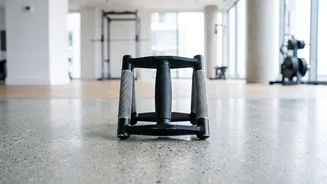
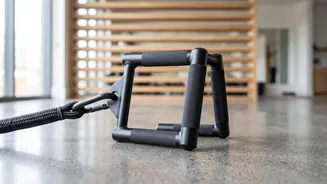
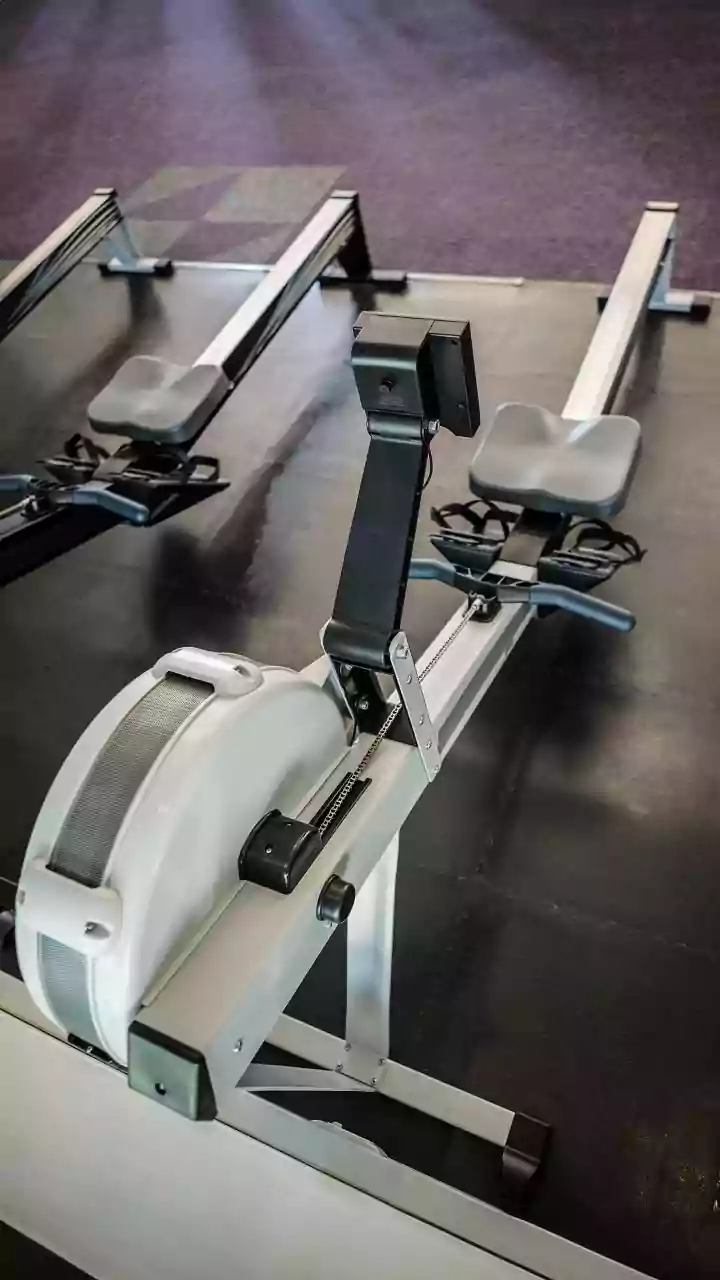
Proper execution begins before you even pull the weight. First, select an appropriate handle; the V-handle (close, neutral grip) is a great starting point as it comfortably targets the lats and mid-back. Sit down on the bench and place your feet firmly on the footplates with your knees slightly bent—never locked straight. Sit tall with your chest up and maintain the natural curve in your lower back. Extend your arms to grab the handle. Your torso should be upright, not slumping. Before initiating the pull, engage your core and retract your shoulder blades slightly, pulling them back and down. This small but vital step ensures your back muscles are ready to do the work from the very beginning.
The Pull: A Controlled and Powerful Movement
The headline says it all: the movement must be a 'controlled pull'. The goal is to move the weight with your back, not your arms. From the starting position, exhale and drive your elbows back past your torso, keeping them close to your sides. Think about pulling the handle towards your stomach or lower ribs, not your chest. As you pull, focus on squeezing your shoulder blades together as if you're trying to hold a pencil between them. Your torso should remain stationary and stable throughout this phase. Pause for a second at the peak of the contraction to maximize muscle engagement before moving to the next phase.
The Return: Just as Important as the Pull
Many people neglect the second half of the exercise, but it's equally important for building strength. Inhale and slowly return the handle to the starting position under full control. Resist the temptation to let the weight stack crash down. A slow, controlled return keeps tension on the muscles and is crucial for safety and effectiveness. Allow your arms to fully extend and feel a slight stretch across your shoulder blades before beginning the next repetition. This controlled stretch is part of a full range of motion, which is essential for proper muscle development.
Common Mistakes That Sabotage Your Progress
Perfecting the seated row means avoiding common pitfalls. The most frequent mistake is using momentum by rocking the torso back and forth. This uses your lower back and body weight to move the load, taking the emphasis off the target muscles and increasing injury risk. Another error is rounding the back, which can lead to serious spinal issues. Always keep your chest lifted and spine neutral. Also, watch out for shrugging your shoulders up towards your ears; this engages the upper traps and neck instead of your mid_back. Keep your shoulders pulled down and back. If you find yourself making these mistakes, it's a clear sign the weight is too heavy. Reduce the load and focus on flawless form.
Breathing and Trying Simple Variations
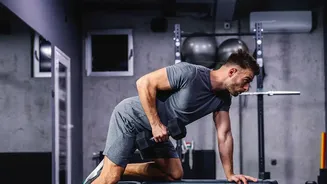
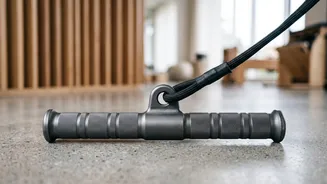
Your breathing should be synchronised with the movement. Exhale as you pull the weight towards you (the exertion phase) and inhale as you slowly return to the start. This pattern helps stabilize your core and deliver oxygen to your working muscles. Once you've mastered any standard V_handle row, you can introduce variations to target muscles differently. A wide, overhand grip on a straight bar will place more emphasis on any upper back and rear shoulders. Using a single arm D_handle allows you to isolate each side of your back, which is great for correcting strength imbalances.