



The Dream vs. The Disappointing Reality
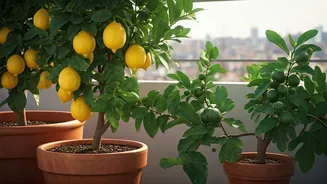
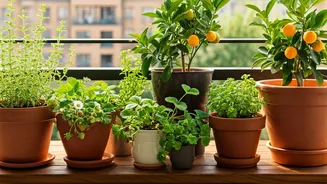
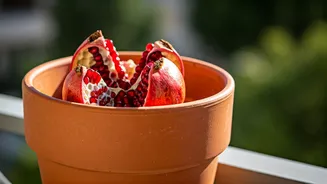
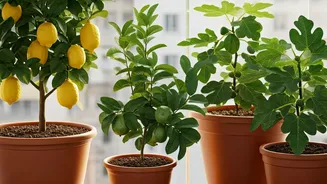
Scroll through social media, and you’ll see countless images of sunny balconies overflowing with lemons, guavas, and pomegranates. Inspired, you buy a sapling, a stylish pot, and a bag of soil, following a guide that promises an effortless harvest. A
few months later, your plant is struggling, the leaves are yellowing, and there's no fruit in sight. This experience is frustratingly common. The problem isn’t your gardening skill; it’s the guidance you're following. Many popular guides sell a simplified fantasy that ignores the fundamental science of growing trees, especially in the challenging environment of a pot.
Mistake 1: Ignoring India's Diverse Climates
Much of the advice available online is written for European or North American climates and fails spectacularly in an Indian context. A guide that works for a cool London summer will lead to disaster in the scorching heat of Delhi or the intense humidity of Mumbai. Indian cities have vastly different growing conditions. A plant that thrives on a Bangalore terrace may struggle on a windswept high-rise balcony in Mumbai. A good guide must be local. It should address the challenges of your specific region, from intense summer heat that can cook roots in a plastic pot to monsoon humidity that encourages fungal diseases. Without this local context, you are gardening with a blindfold on.
Mistake 2: Underestimating Pot Size and Soil
Here is one of the most common mistakes: choosing a pot that is too small. A small pot restricts root growth, heats up quickly, and dries out fast, stressing the plant. Many guides recommend starting small, but fruit trees need room. Once a tree becomes root-bound, with its roots circling in a tight mass, its growth stalls. The soil is just as critical. Using garden soil from your yard is a frequent error; it's often too dense for containers, preventing air from reaching the roots and leading to waterlogging. A proper potting mix designed for containers—usually a mix of cocopeat or soil, compost, and perlite for drainage—is essential for healthy root development.
Mistake 3: The Myth of the 'Dwarf' Tree
The word "dwarf" can be misleading. It doesn't always mean a tiny, manageable tree. The final size of a fruit tree is determined by its rootstock—the root system onto which the desired fruit variety is grafted. A 'semi-dwarf' apple tree can still grow quite large. Many nurseries sell plants without clearly labelling the rootstock, leaving buyers guessing about the tree's eventual size. For container success, you need a true dwarf variety on a dwarfing rootstock. In India, excellent dwarf or manageable varieties exist for fruits like the Amrapali mango, Kagzi lime, and Bhagwa pomegranate, which are genuinely suited for large containers.
What a Better Guide Should Tell You
So, what should you look for? A trustworthy guide for small-space fruit growing acknowledges the challenges. It emphasizes starting with the right-sized container—at least 18-20 inches in diameter for most trees—and a well-draining potting mix. It provides specific, local advice, suggesting varieties proven to work in your climate, like Allahabad Safeda guava or Poona fig. It offers realistic timelines, explaining that most grafted trees take two to three years to fruit. It also covers crucial but often overlooked topics: the need for at least 6-8 hours of direct sunlight, proper watering techniques to avoid both rot and dryness, and the importance of regular feeding, since container plants deplete nutrients quickly. Finally, it discusses pollination, as many fruit trees require a second tree to produce fruit, a critical detail for urban gardeners with limited space.