


The Five-Minute Triage
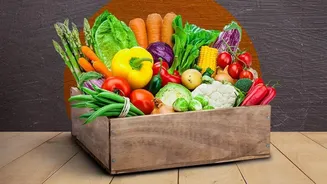
The moment your produce box arrives, take five minutes to sort its contents. This initial triage is the most critical step. Don't wash or chop anything yet; simply group everything into three categories. First, the 'Eat Now' pile: these are the most delicate
items that will wilt or spoil quickly. Second, the 'Eat Soon' group: these are more robust but should still be used within the week. Finally, the 'Eat Later' heroes: these are the long-lasting vegetables that can be stored in a cool, dark pantry. This quick sort creates an immediate mental map for your meal planning.
Identify the Delicate Players
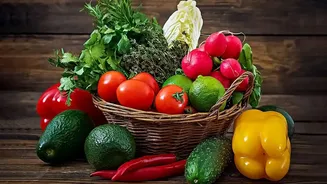
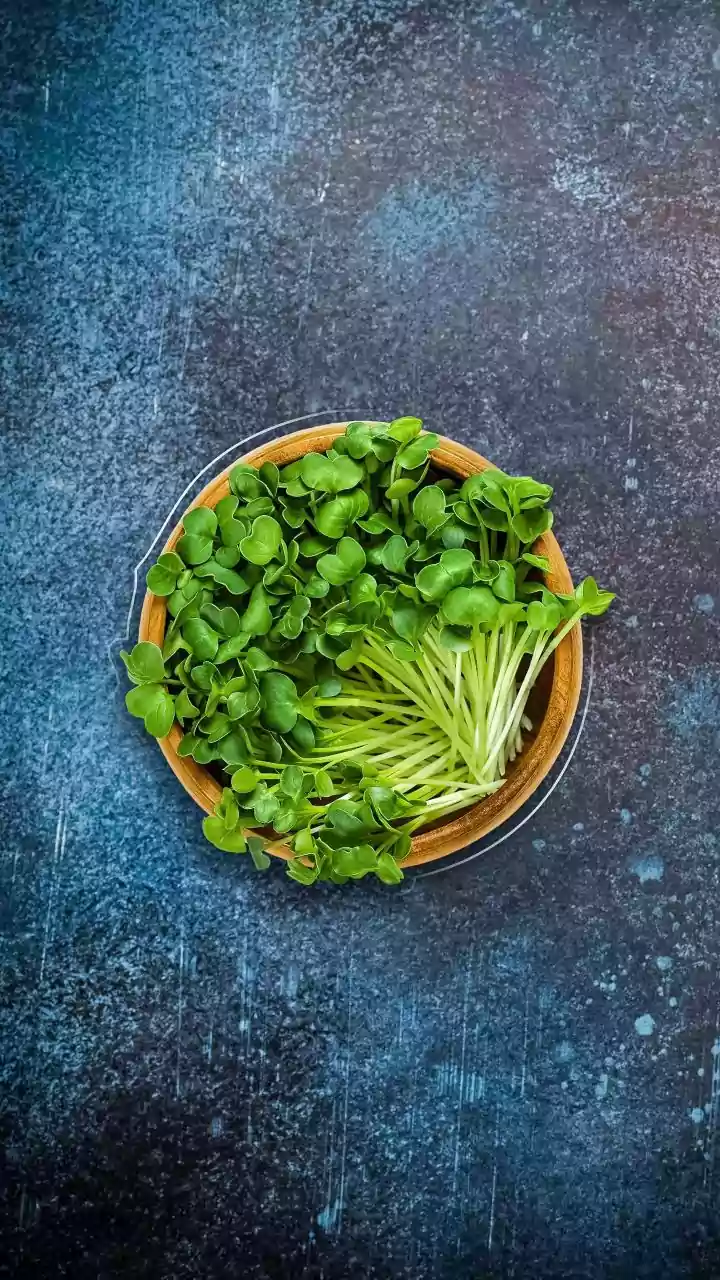
Your 'Eat Now' category is home to the most fragile produce. Leafy greens like spinach, lettuce, and rocket have a very short lifespan and should be prioritised. Delicate herbs such as basil, coriander, and parsley also fall into this group. Other vegetables to use within a day or two include mushrooms, asparagus, and sweetcorn, as their flavour and texture degrade quickly. Greens are especially prone to wilting and should be eaten at their peak freshness, usually within the first few days of receiving your box.
Properly Storing Your Greens
To give your delicate greens the best chance, store them correctly. The key is managing moisture. For greens like lettuce and spinach, placing them unwashed in a sealed bag or container with a piece of paper towel can absorb excess moisture and extend their life. Some experts recommend reusable cotton bags, which you can keep slightly damp. For herbs like parsley and coriander, you can trim the stems and place them in a glass of water, much like a bouquet of flowers, covered loosely with a plastic bag in the fridge.
The 'Eat Soon' and 'Eat Later' Crew
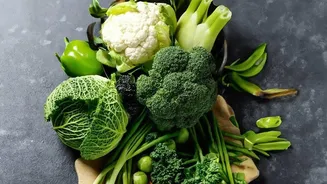
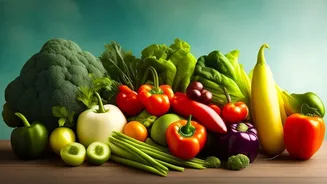
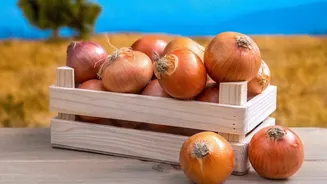
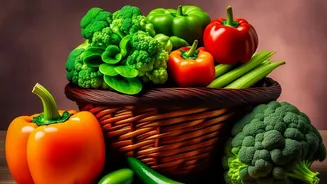
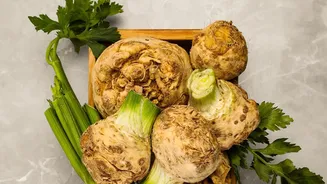
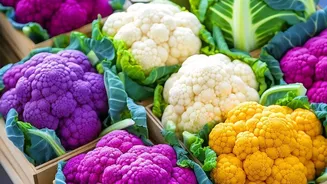
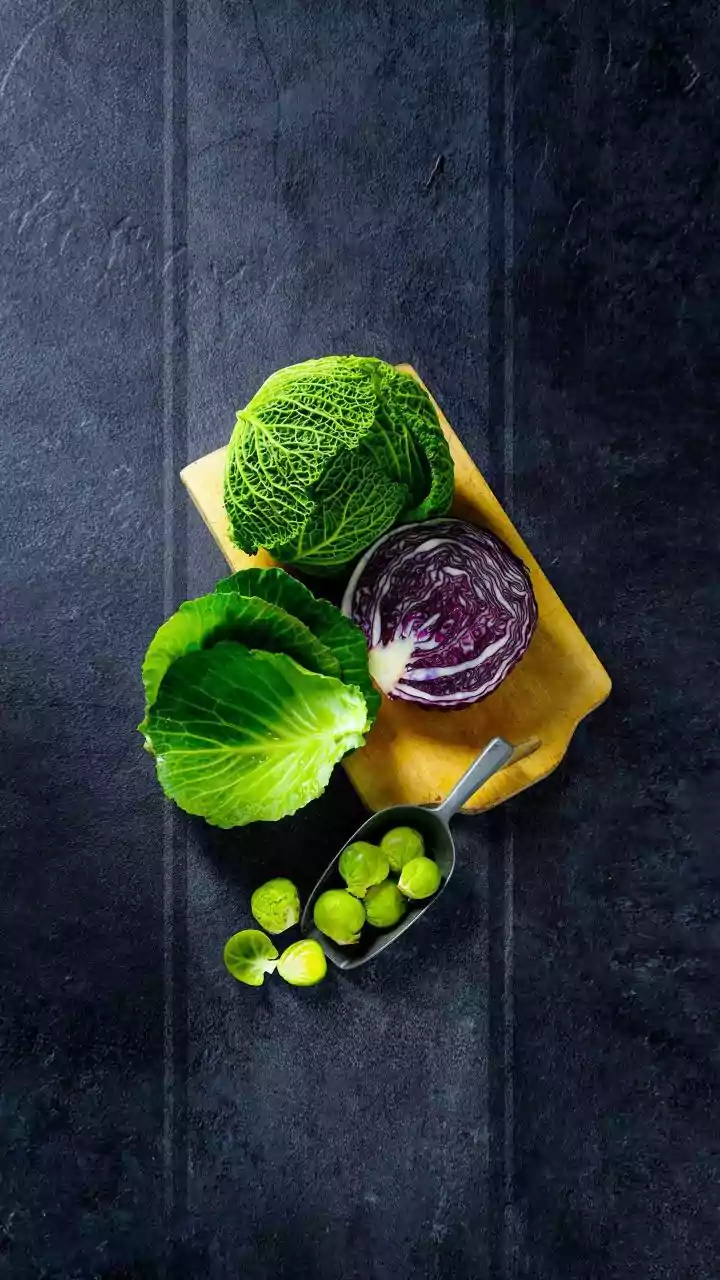
Your 'Eat Soon' category includes vegetables that are less demanding than leafy greens but still require attention. This group often includes broccoli, cauliflower, bell peppers, zucchini, and cucumbers, which generally last for about a week when refrigerated properly. Your 'Eat Later' pile consists of hardy root vegetables and squashes. Items like potatoes, onions, garlic, carrots, and cabbage can last for weeks or even months if stored correctly in a cool, dry, and dark place away from the fridge.
Create a 'Use-First' Zone
Now, translate your sorting into a physical system in your kitchen. This is often called the 'First-In, First-Out' (FIFO) method, a principle used in professional kitchens to reduce waste. Designate a specific shelf or a crisper drawer in your refrigerator as the 'Use-First' zone. This is where all your 'Eat Now' vegetables go. When you open the fridge to decide what to cook, your eyes go to this section first. This simple physical boundary makes it effortless to use up your most perishable items before they have a chance to turn.
Beware of Ethylene Gas
One final organising principle is to separate certain items. Some fruits and vegetables produce ethylene, a natural gas that accelerates ripening and can cause nearby sensitive produce to spoil faster. High ethylene producers include apples, ripe bananas, tomatoes, and peaches. Keep these away from ethylene-sensitive vegetables like leafy greens, broccoli, carrots, and cucumbers, which can turn yellow and wilt when exposed. Storing your ethylene producers on the counter away from the fridge is often a good strategy.