


The Scent-Sensitive Zones
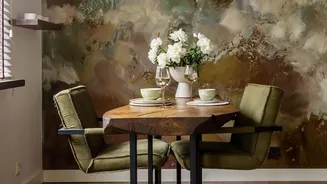
The two trickiest spots for fragrant flowers are the dining table and any area with dense, close seating, like a living room sofa arrangement. In these spaces, a strong floral aroma can do more harm than good. At the dining table, the primary sense should
be taste, which is intrinsically linked to smell. A powerful floral fragrance can interfere with the aromas of your carefully prepared meal, altering how food tastes and creating a confusing sensory experience for your guests. In living rooms, where people gather for conversation, an overpowering scent can be distracting or even uncomfortable, potentially causing headaches or aggravating allergies for sensitive individuals. The goal is to create an inviting atmosphere, and a scent that dominates the room can make guests feel overwhelmed rather than relaxed.
High-Fragrance Flowers to Place with Care
Certain flowers are renowned for their potent and pervasive fragrances. Stargazer lilies, for instance, are notoriously powerful and can fill an entire house with their heavy, sweet scent. Tuberose and gardenias offer a similarly rich, intoxicating perfume that is beautiful but can be too much in a small or enclosed area. Hyacinths, while a welcome sign of spring, also pack a strong aromatic punch. Even some varieties of roses can be surprisingly fragrant. Knowing which flowers have these robust scents is the first step in strategic placement. These blooms are not to be avoided entirely, but rather used thoughtfully, like a fine perfume—a little goes a long way, and location is everything.
The Art of Strategic Placement
The secret to enjoying highly scented flowers is to place them in transitional or large, well-ventilated spaces. An entrance hall is a perfect location; a welcoming burst of fragrance greets guests as they arrive but does not follow them into the main living areas in full force. Powder rooms, spacious hallways, and airy bedrooms are also excellent choices. In these areas, the fragrance has room to breathe and disperse, becoming a pleasant background note rather than a focal point. The scent becomes part of the home's ambient charm, something you move through rather than sit with. This approach allows you to enjoy their beauty without letting their powerful perfume dominate your social spaces.
Low-Scent Heroes for Social Spaces
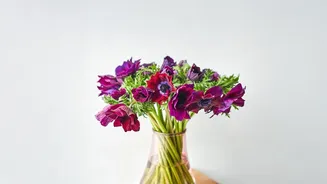
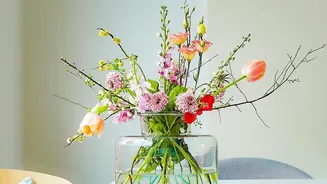
For dining table centrepieces and coffee table arrangements, opt for flowers that are celebrated for their beauty rather than their scent. Tulips, ranunculus, dahlias, poppies, and anemones offer stunning colours and textures with little to no fragrance. Roses and peonies can also be good choices, but you may want to select varieties known for a milder scent. Hydrangeas are another fantastic option, providing volume and an elegant, airy feel without competing with your culinary creations. Calla lilies are sleek, modern, and scent-free. Choosing these low-aroma alternatives ensures that your floral decor complements the social atmosphere instead of commanding it, allowing conversation and the flavour of the food to take centre stage.
Tips for Moderating Floral Scents
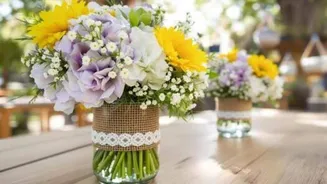
If your heart is set on a fragrant bouquet in a social area, moderation is key. Instead of a large, dense arrangement, use just a few stems. This will provide a subtle hint of scent that is intriguing rather than overpowering. Ensure the room has good air circulation; opening a window can help dissipate a heavy fragrance. Another trick is to choose flowers before they have fully opened, as their scent is often less intense in the bud stage and will release more gradually. You can also mix fragrant flowers with plenty of unscented greenery, like eucalyptus or ferns, which helps to dilute the aromatic effect while adding lushness to the arrangement.