






The Joy of Homegrown Methi
Fenugreek, or methi, is a staple in Indian kitchens, prized for its unique, slightly bitter flavour and incredible health benefits. While market-bought methi is great, growing your own has distinct advantages. You get 100% organic, pesticide-free greens
that are bursting with freshness and flavour. The key to a super-fast harvest, as promised, is to grow them as microgreens. These are young, tender seedlings that are packed with nutrients and can be harvested just days after they sprout, offering a quick and rewarding gardening experience even for absolute beginners.
Gathering Your Simple Supplies
You don’t need a sprawling garden or fancy equipment for this project. All you need are a few basic items, most of which you may already have at home: * **Fenugreek Seeds (Methi Dana):** Use the same seeds you find in your kitchen masala box. Make sure they are not too old. * **A Shallow Container:** A tray, a wide pot, or even a sturdy takeaway container will work perfectly. Ensure it has drainage holes at the bottom to prevent waterlogging. * **Growing Medium:** A mix of coco peat and compost is ideal as it's light and retains moisture. If you don't have that, regular potting soil from a local nursery will do just fine. * **Water Sprayer:** A spray bottle is best for gently misting the seeds and soil without disturbing them.
Step 1: Prepare the Seeds
This first step is crucial for speeding up the germination process. Take about two to three tablespoons of fenugreek seeds and soak them in a bowl of water overnight, or for at least 8-12 hours. You will notice the seeds swell up as they absorb water. This 'wakes them up' and prepares them for quick sprouting. After soaking, drain the water completely. You can even leave the damp seeds in a covered bowl for another day until you see tiny white roots emerging. This pre-sprouting gives you a head start.
Step 2: Set Up Your Pot
Take your chosen container and fill it with your growing medium—be it soil or a coco peat mix. Fill it up to about three-quarters full. Gently press the medium down to create a firm, level surface. Don't compact it too tightly, as the roots will need space to grow. Once the surface is level, lightly spray it with water until the top layer is evenly moist but not soaking wet. Your miniature farm bed is now ready for sowing.
Step 3: Sow and Nurture
Now, take your soaked (and possibly pre-sprouted) methi seeds and scatter them evenly over the surface of the soil. You can be quite generous; the seeds should be close together but not overlapping too much. Once scattered, you can either gently press them into the soil or cover them with a very thin layer of the same growing medium. A light dusting is all that’s needed. Mist the seeds generously with your spray bottle. For the first two to three days, keep the pot in a spot with indirect light, like a shaded part of your balcony. Keep the soil consistently moist by misting it once or twice a day.
Step 4: Watch the Magic Happen
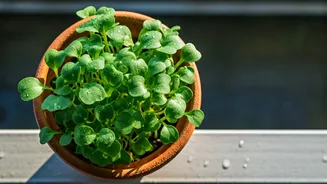
Within two to three days, you will see tiny green shoots emerging from the soil. This is the most exciting part! Once the seedlings appear, move the container to a spot where it can receive about three to four hours of gentle morning sunlight. Balconies are perfect for this. Continue to water them daily with a mister. The direct force from a watering can could damage the delicate seedlings. In just a few more days, these shoots will grow to about 3-4 inches tall, with their first set of two beautiful green leaves.
Step 5: Harvest and Enjoy!
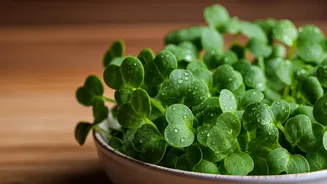
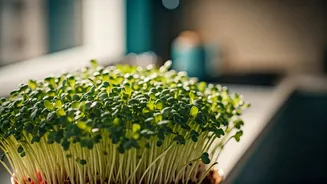
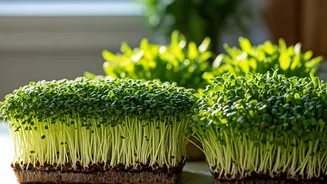
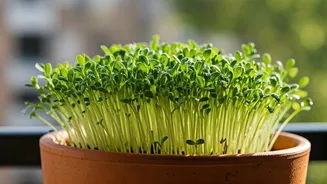
Around day seven to ten from sowing, your fenugreek microgreens will be ready to harvest. They will be about 4 inches tall and look like a lush green carpet. To harvest, simply take a pair of scissors and snip the greens just above the soil line. Do not pull them out by the root, as this disturbs the soil and makes a mess. Your fresh, homegrown methi is now ready! You can add them to salads, sprinkle them over sabzis and dals for a burst of flavour, blend them into smoothies, or mix them into the dough for methi thepla and parathas.