



Why Skipping Meals Is Counterproductive
After a period of indulgence, it's tempting to swing to the other extreme by skipping breakfast or lunch. However, this often backfires. When you skip a meal, your blood sugar drops, which can leave you feeling irritable, tired, and unable to concentrate.
Your body, sensing a lack of fuel, may go into 'survival mode', slowing your metabolism to conserve energy. This strategy can lead to intense cravings and overeating later in the day, defeating the purpose of the reset. Instead of deprivation, the goal is to return to a balanced eating pattern that provides consistent energy and nutrients.
Hydration Is Your First Step
Before you even change what you eat, focus on what you drink. Festive foods are often high in salt and sugar, which can leave you dehydrated. Proper hydration is crucial for digestion, flushing out waste, and reducing bloating. Start your day with a glass of warm water, perhaps with a squeeze of lemon. Throughout the day, continue to sip on plain water, herbal teas like ginger or mint, or coconut water. This simple habit helps restore balance, boosts energy, and can even help differentiate true hunger from thirst, preventing unnecessary snacking.
Embrace Fibre-Rich Foods
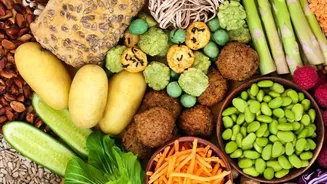
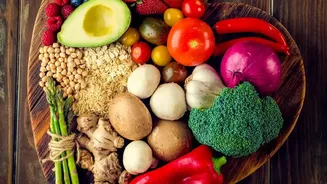
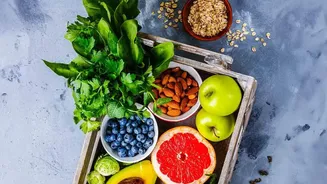
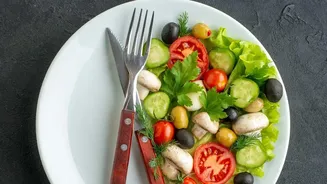
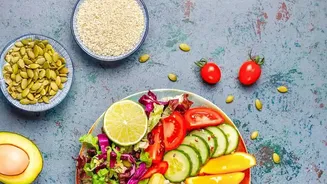
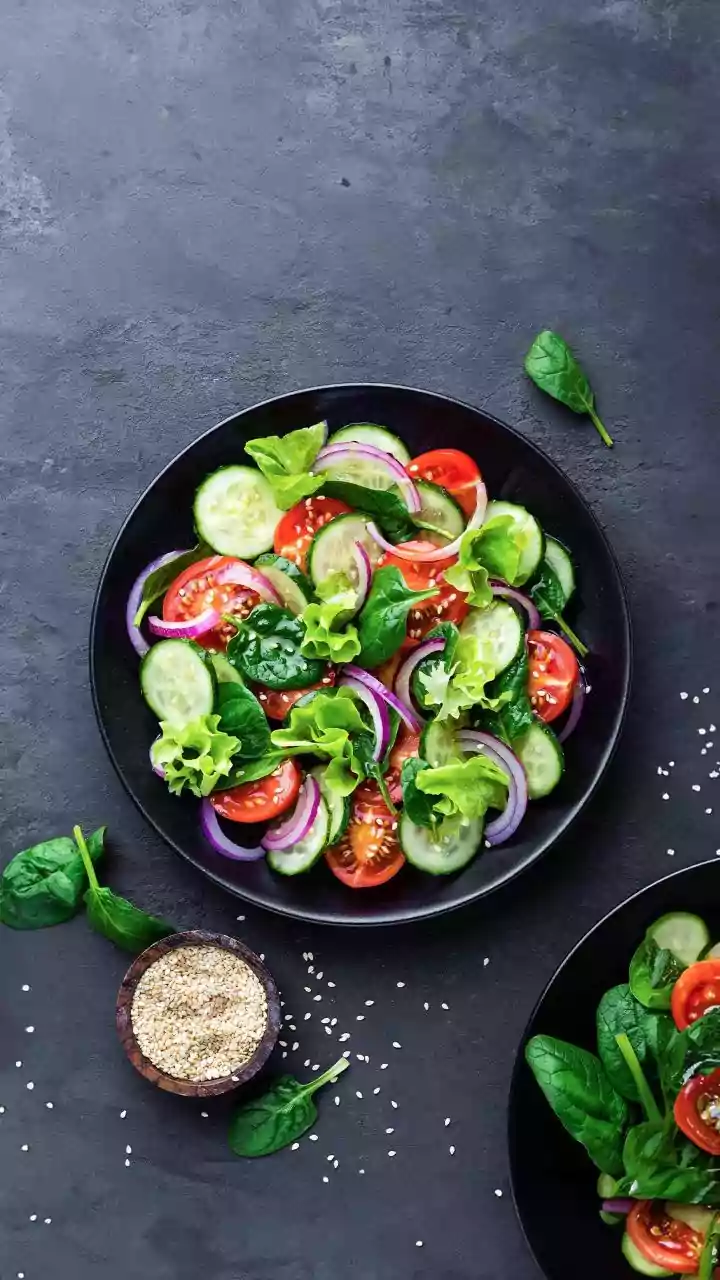
Instead of focusing on what to eliminate, think about what you can add back in. Fibre is essential for a healthy digestive system, as it helps prevent constipation and keeps things moving smoothly. Focus on incorporating whole grains like oats and brown rice, legumes like beans and lentils, and plenty of fresh fruits and vegetables. Leafy greens, bananas, and chia seeds are excellent choices. These foods not only provide fibre but are also packed with vitamins and minerals your body needs to recover and thrive after a period of heavy eating.
Return to Simple, Home-Cooked Meals
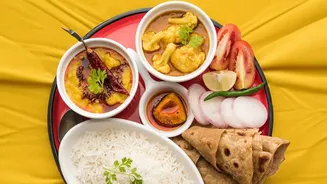
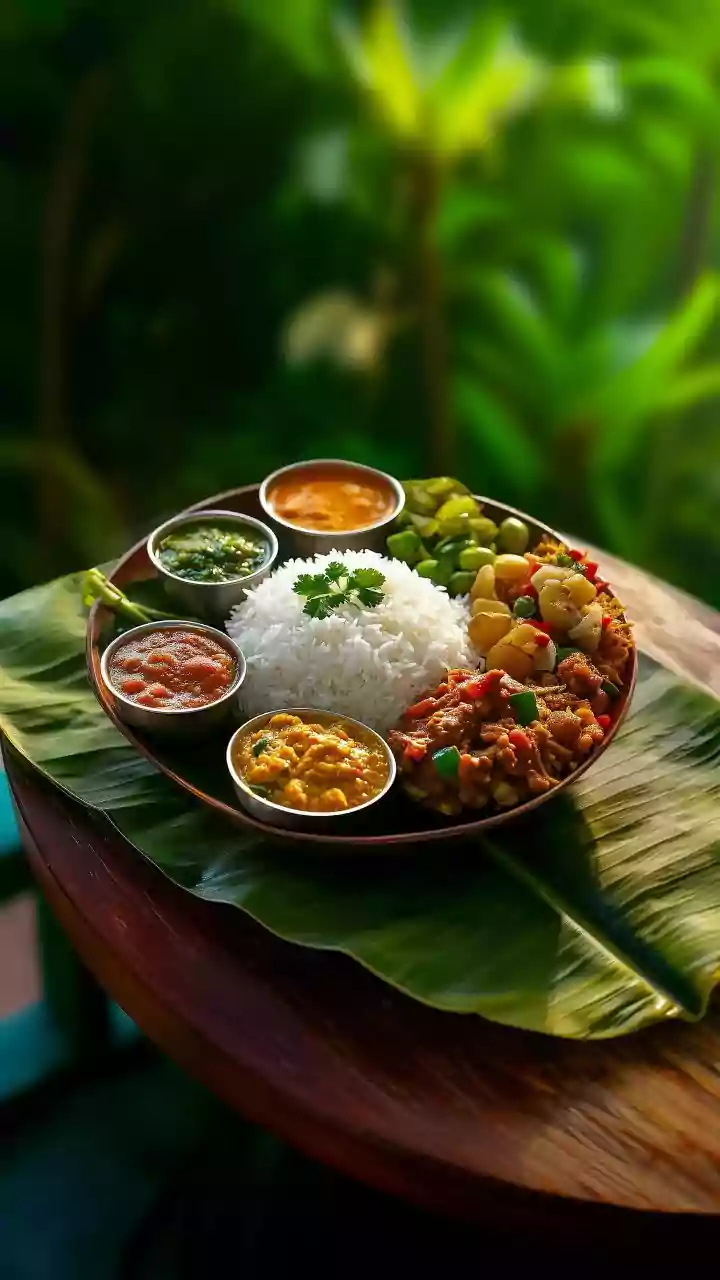
Give your digestive system a break from rich, oily, and heavily processed foods. The best way to do this is by preparing simple, light meals at home. Think dal, khichdi, steamed vegetables, or a simple soup. Cooking at home allows you to control the amount of oil, salt, and sugar in your food. Grilling or steaming is preferable to frying. Including gut-friendly foods like yogurt (dahi) and other fermented items can help restore the balance of good bacteria in your gut. These easy-to-digest meals provide nourishment without overloading your system.
Reintroduce Gentle Movement
You don’t need to 'burn off' festival calories with intense workouts. In fact, aggressive exercise can add more stress to a tired body. Instead, focus on gentle movement to aid digestion and boost your mood. A 10-15 minute walk after a meal can help regulate blood sugar levels and reduce bloating. Light activities like stretching or gentle yoga can also help ease stiffness and improve circulation without causing strain. The goal is to support your body's recovery, not punish it.