

A Craving Steeped in Culture
The connection between the rainy season and specific foods in India is more than just a passing craving; it's a deeply ingrained cultural and sensory ritual. When the skies turn grey, there's a collective desire for dishes that provide warmth, comfort,
and a touch of nostalgia. This phenomenon is particularly potent in Delhi, where the monsoon offers a dramatic respite from scorching summer temperatures. The season brings with it an urge to indulge in hot, often fried, and flavourful snacks that seem to taste even better against the backdrop of a downpour. For many, these foods are tied to memories of childhood, of huddling together with family while enjoying treats prepared at home. This emotional connection transforms simple dishes into a cherished tradition, a way of celebrating the rain and finding comfort in familiar tastes.
The Unbeatable Classics
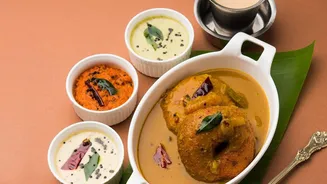
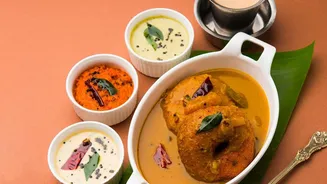
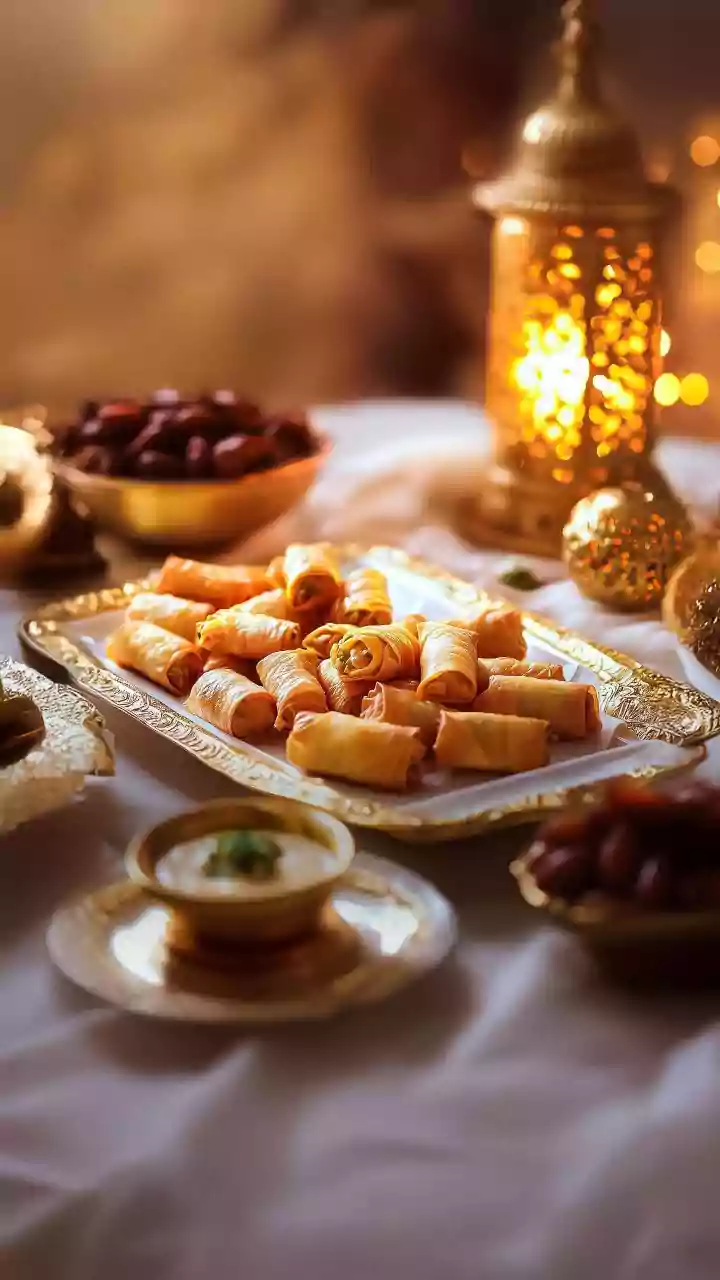
At the heart of Delhi's monsoon food scene are the undisputed classics. The pairing of steaming masala chai with an assortment of pakoras—crispy fritters made from vegetables dipped in gram flour batter—is arguably the official cuisine of the Indian monsoon. Whether it's onion, potato, or paneer pakoras, these crunchy delights are a staple. Another street-side hero is the bhutta, or roasted corn on the cob, slathered with lemon juice and masala. Then there are samosas and bread pakoras, offering a spicy potato filling encased in a golden-fried shell, perfect for a rainy afternoon. These snacks are not just food; they are an experience, often enjoyed at a street-side stall while watching the rain fall, creating a memory that is quintessentially Delhi.
A Modern Culinary Revival
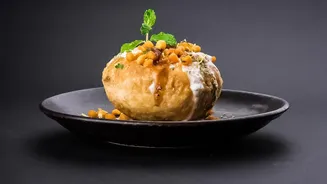
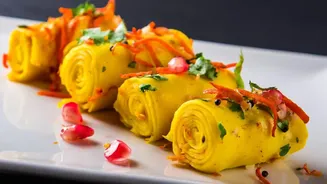
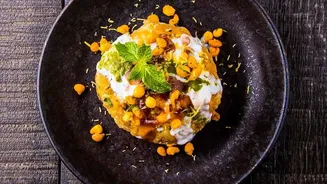
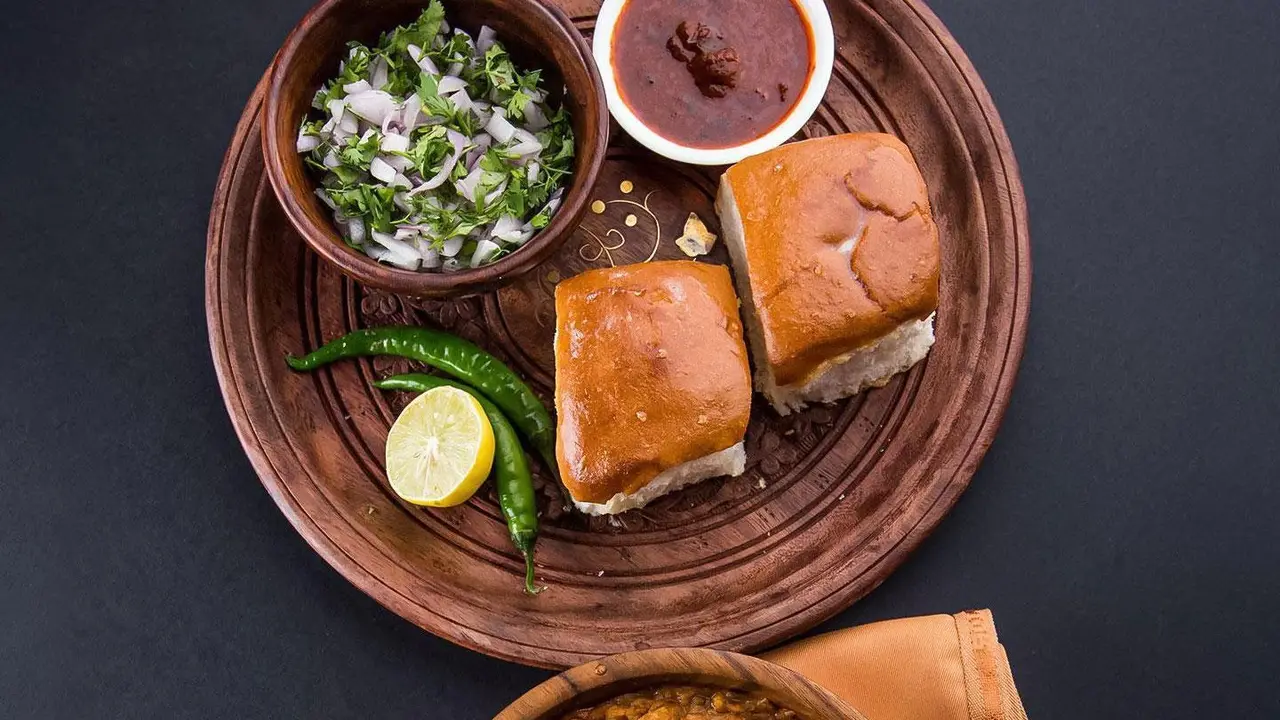
While the love for these classics is timeless, what's fresh is how Delhi's wider food scene is embracing them. Cafes and upscale restaurants are now curating special monsoon menus that celebrate these nostalgic flavours, often with a creative twist. Establishments across the city are offering everything from assorted pakora platters and chaat boards to refined takes on street food classics like Bacon Bread Pakora or Mirch Keema Pao. This trend shows that the appeal of rainy-day comfort food transcends street stalls. Restaurants are recognising the powerful pull of nostalgia and are marketing these seasonal specials, blending traditional tastes with a modern dining experience. This revival isn't just about reimagining old recipes; it's about honouring them and making them a central part of the seasonal culinary conversation.
Beyond the Fried Favourites
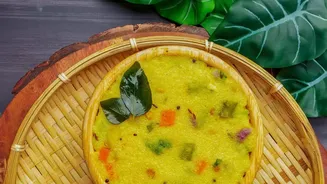
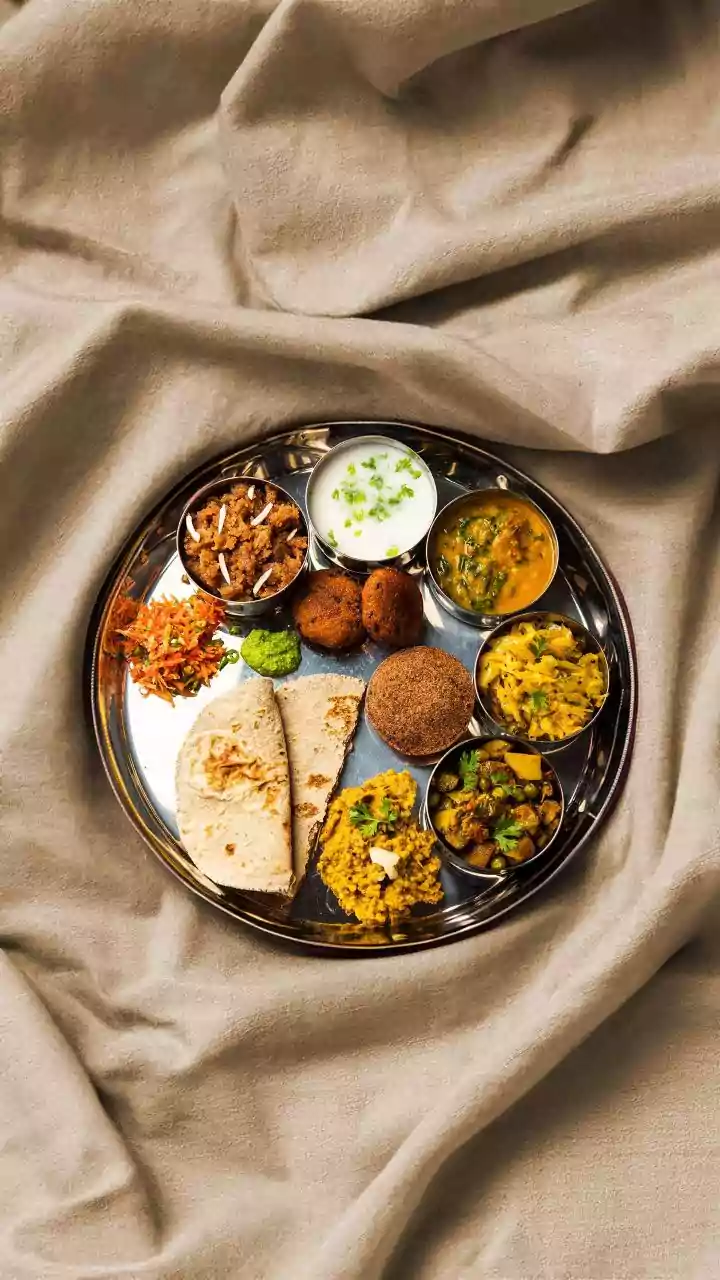
While fried snacks dominate the monsoon conversation, the season's culinary traditions extend into home kitchens with a different set of comfort dishes. Khichdi, a humble and nourishing mix of rice and lentils, is a go-to meal in many households during the rains. Often paired with kadhi, a spiced yogurt-based curry, it represents a lighter, wholesome side of monsoon eating. The use of seasonal ingredients and spices like ginger and turmeric is common, not just for flavour but also for their perceived immunity-boosting properties, which is a traditional approach to wellness during the damp season. These dishes highlight that rainy-season food is not solely about indulgence but also about nourishment and balance, reflecting centuries of culinary wisdom adapted to the climate.