




A Torrent of Destruction
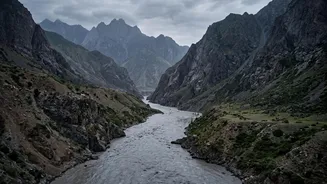
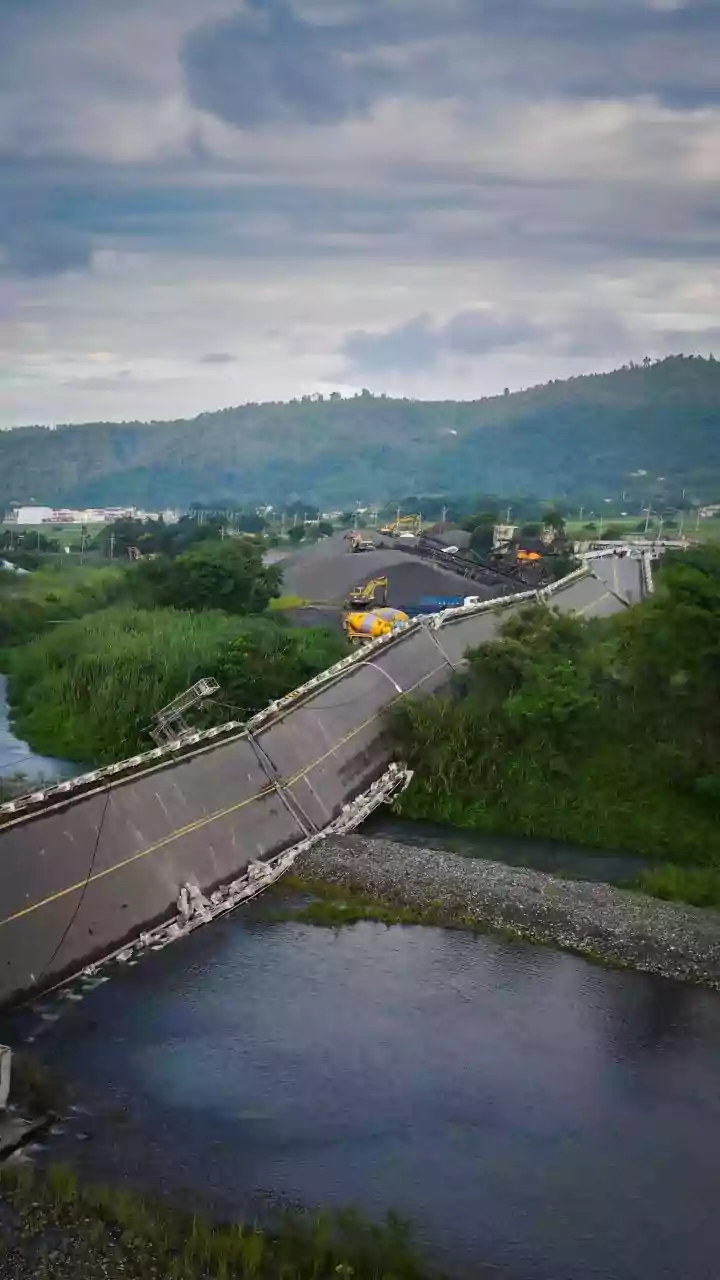
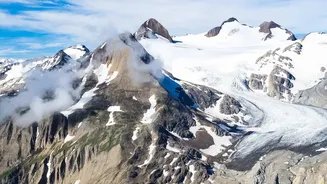
On August 26, 2026, a massive avalanche of rock and ice from a glacier near the Nepal-China border triggered a devastating flash flood. A wall of water, mud, and debris surged down the Bhote Koshi and Trishuli river systems, obliterating entire villages,
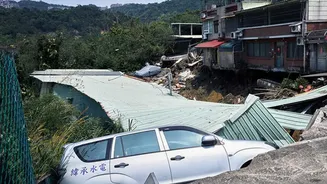
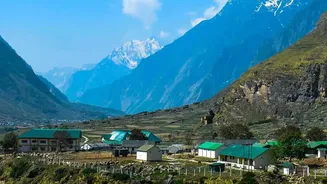
bridges, and critical infrastructure like hydropower projects. The force was equivalent to a 5.2-magnitude earthquake, overwhelming early warning systems and leaving communities with no time to escape. Hundreds were killed, with thousands more missing, including residents, security personnel, and foreign tourists. The floodwaters destroyed homes and markets in areas like Timure and Syabrubesi, and the economic damage is estimated to be in the billions of rupees.
More Than a Natural Disaster
While the initial trigger was a glacial collapse, the scale of the disaster is magnified by a confluence of factors. The Himalayas are warming faster than the global average, leading to retreating glaciers and destabilised slopes. This makes events like the August 26 collapse more likely. Scientists refer to this as a 'cascading hazard,' where one event, like a landslide, changes the landscape, making it more vulnerable to the next. This is compounded by human activity, including widespread deforestation for infrastructure and the rapid, often unplanned, construction of roads and buildings in vulnerable river corridors, which can exacerbate erosion and increase landslide risk.
The Unseen Footprint of Tourism
Mountain tourism is a vital part of Nepal's economy, but its unchecked growth contributes to the environmental strain. The demand for hotels, roads, and services leads to construction that can destabilise slopes. An influx of visitors puts immense pressure on local resources, particularly water, with a single tourist often consuming several times more than a local resident. A significant challenge is waste management; trekking routes can generate tons of non-biodegradable waste like plastic bottles and snack wrappers, which pollute land and water. While tourism provides income, it must be managed to avoid becoming another stressor on an already fragile system.
The Path to Responsible Travel
Responsible travel is not about avoiding the Himalayas, but about interacting with them consciously. It begins with the 'Leave No Trace' philosophy: everything you carry in, you must carry out. This means avoiding single-use plastics by using a refillable water bottle with purification tablets, packing out all your wrappers, and staying on marked trails to prevent erosion. It also involves making mindful economic choices. Opting for homestays and locally owned lodges ensures your money directly supports the community. Choosing tour operators who provide fair wages, proper gear, and insurance for their guides and porters is a crucial ethical consideration.
A Lesson for Our Own Peaks
For travellers in India, the lessons from Nepal are deeply relevant. The Indian Himalayas face identical pressures: rapid infrastructure growth, increasing tourist numbers, and the tangible effects of climate change. The environmental degradation seen in parts of Nepal is a cautionary tale for popular destinations in states like Uttarakhand and Himachal Pradesh. By adopting responsible practices—whether trekking in the Annapurnas or visiting Shimla—we can help preserve the entire Himalayan chain. The principles of minimizing our footprint, supporting local economies directly, and respecting cultural norms are universal to protecting these sacred mountains for future generations.