

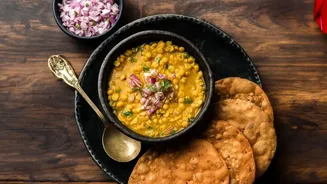
In the world of plant-based nutrition, quinoa and lentils are both champions. One is a trendy ancient grain, the other a humble kitchen staple. But how do they stack up against each other, and which one is right for your health goals and plate?
The Nutritional Showdown
When it
comes to nutrition, both quinoa and lentils are powerhouses, but they shine in different areas. Lentils generally pack more protein per serving. A cup of cooked lentils offers about 18 grams of protein, whereas a cup of cooked quinoa provides around 8 grams. Lentils are also higher in dietary fibre, with about 16 grams per cup compared to quinoa's 5 grams. This high fibre and protein content makes lentils incredibly filling and great for digestive health. Quinoa's main claim to fame is its status as a 'complete protein'. This means it contains all nine essential amino acids that our bodies cannot produce, which is rare for a plant-based food. Lentils are not a complete protein on their own, but this is easily solved in an Indian diet by pairing them with a grain like rice or roti, a practice that intuitively creates a complete protein profile.
Vitamins, Minerals, and Health Benefits
Beyond the macronutrients, lentils are a richer source of several key minerals and vitamins. They are exceptionally high in folate, a crucial B vitamin, and offer more iron and potassium than quinoa. These nutrients support heart health, help prevent anaemia, and can aid in lowering blood pressure. Quinoa, while not as high in those specific nutrients, is a very good source of magnesium and manganese. Both are naturally gluten-free, making them excellent choices for individuals with gluten sensitivity or celiac disease. Their high fibre content also contributes to a lower glycemic index, which is beneficial for blood sugar management. Lentils typically have a lower GI than quinoa, offering a slower, more sustained release of energy.
In the Kitchen: Versatility and Taste
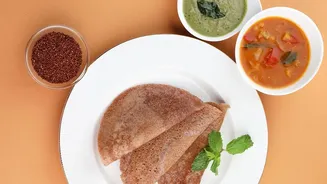
In Indian cuisine, lentils (or dal) are a cornerstone, celebrated in countless regional preparations from the simple dal tadka to rich dal makhani and hearty sambar. They are versatile enough to be used in soups, stews, and even ground into flour for dosas and chillas. Quinoa, though a relative newcomer, is surprisingly adaptable to Indian cooking. It has a mild, nutty flavour and a slightly chewy texture that works well in dishes like upma, pulao, and khichdi, serving as a nutrient-dense substitute for rice or semolina. To prepare quinoa, it's important to rinse it thoroughly to remove saponins, a natural coating that can impart a bitter taste. It cooks in about 15 minutes, similar to white rice. Lentils, depending on the variety, can take anywhere from 15 to 30 minutes to cook.
Cost and Accessibility in India
This is where lentils have a clear and significant advantage. As a homegrown staple, lentils are inexpensive and available in every corner of the country. On the other hand, quinoa is largely considered a premium or 'gourmet' health food. Although its cultivation has started in India, it remains significantly more expensive than all varieties of dal, often costing several times more per kilogram. For the average Indian household, lentils offer far superior nutritional value for the price. While quinoa can be a great way to add variety to your diet, lentils provide a more practical and budget-friendly foundation for daily plant-based protein and fibre intake.
The Verdict: Which Should You Choose?
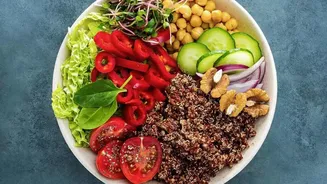
There is no single winner here; the best choice depends on your specific needs. If your primary goal is to maximise protein and fibre intake on a budget, lentils are the undisputed champion. They are a familiar, affordable, and incredibly nutritious staple. If you are looking for a gluten free grain substitute that offers a complete protein source in a single ingredient and are willing to spend more, quinoa is an excellent option. It's perfect for diversifying your meals with dishes like salads, pulaos, and breakfast bowls. For most people, the ideal approach isn't to choose one over the other but to incorporate both into a balanced diet. This allows you to enjoy the unique benefits and culinary possibilities of each.