



Meet the ‘Other’ Indian Tea
When you think of Indian tea, your mind probably jumps to the malty boldness of Assam or the delicate, prized “muscatel” notes of Darjeeling. But venture south to the Nilgiri Hills, or “Blue Mountains,” and you’ll find a tea that’s gaining a reputation
for being uniquely suited to modern tastes. Nilgiri tea is grown at high elevations, often above 6,000 feet, where cooler temperatures slow the leaf’s growth and concentrate its aromatic compounds. Unlike its northern cousins that have distinct harvesting seasons, Nilgiri can be plucked year-round, offering a consistent freshness. Historically used in blends and commodity tea bags, a new generation of artisanal growers is focusing on traditional, whole-leaf “orthodox” processing to highlight the tea’s exceptional qualities.
The Science of a Perfect Cold Brew
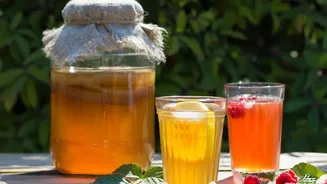
Cold brewing isn't just about convenience; it’s a different extraction method. Steeping tea in cold water for several hours, instead of hot water for a few minutes, fundamentally changes the flavor. The cold, slow process extracts fewer tannins—the compounds responsible for bitterness and astringency in tea. This is where Nilgiri truly shines. It is naturally lower in tannins than many other black teas. This means that even after a long overnight steep, a cold-brewed Nilgiri tea remains incredibly smooth, clean, and entirely free of bitterness. While other black teas can turn cloudy or harsh when chilled, Nilgiri stays brilliantly clear and bright, making for a visually appealing as well as delicious drink.
Naturally Sweet, No Sugar Needed
The phrase “low-sugar” on the bottle isn’t about a new processing trick or added sweeteners. It’s about the inherent character of the leaf itself. Nilgiri tea possesses a natural, subtle sweetness, with flavor notes often described as floral, fruity, and brisk. When you cold brew it, these delicate, sweet notes are emphasized because they aren't overshadowed by bitter tannins. The result is a beverage that tastes clean, rounded, and satisfyingly complete on its own. For health-conscious drinkers looking to cut down on sugar and artificial additives, this is the main draw. It’s a drink that doesn't require a spoonful of sugar to be palatable; its own flavor profile is enough. Artisanal growers amplify this quality by focusing on specific harvest times, like the coveted “frost teas” of winter, which are known for an even more pronounced sweet, rosy flavor.
From Small Farms to Your Glass
The “artisanal” label is more than just marketing. Much of Nilgiri’s tea comes not from massive plantations, but from small, independent growers who may own just an acre or two of land. These growers often work in cooperatives, selling their fresh leaves to nearby specialty factories dedicated to craftsmanship. These factories are moving away from the machine-driven “Crush, Tear, Curl” (CTC) method used for commodity tea bags and embracing traditional orthodox methods that keep the leaf whole. This hands-on approach preserves the delicate essential oils and complex flavors of the leaf, creating a final product that truly expresses the unique terroir of the Blue Mountains. By focusing on quality over quantity, these producers are telling the story of their region one leaf at a time.
A Healthier Sip
Beyond being a sugar-free refreshment, Nilgiri tea offers a host of wellness benefits. Like other teas from the Camellia sinensis plant, it is rich in antioxidants like polyphenols and flavonoids, which help combat cellular damage in the body. Some research suggests these compounds support heart health and may boost the immune system. Because it’s low in tannins, many people find it gentler on the stomach. Furthermore, the cold brewing process extracts less caffeine than a hot brew, offering a milder, sustained energy lift without the jitters some associate with coffee or strongly brewed hot tea. It’s a simple, enjoyable way to stay hydrated while consuming beneficial plant compounds.