



Beyond the Surface Shine
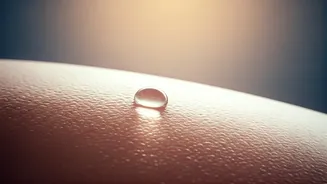
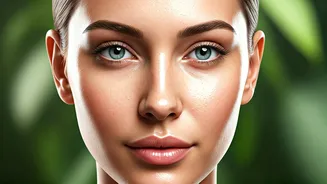
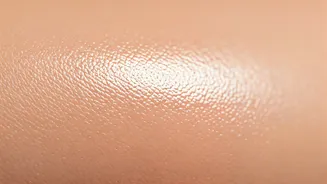
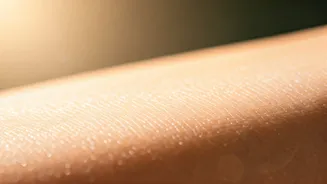
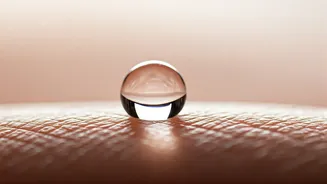
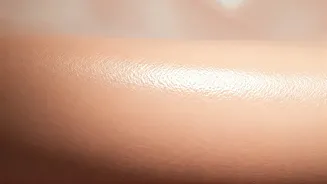
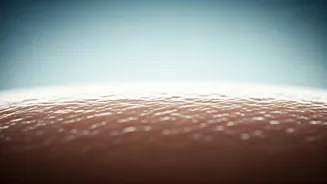
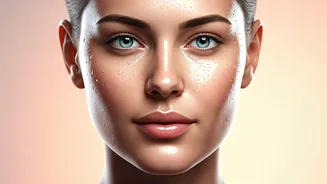
Glass skin, or *yuri pibu* in Korean, isn't just about looking dewy. It describes skin so healthy and hydrated that it appears luminous, poreless, and translucent, like a pane of glass. It’s less about a specific product and more about an ideal state
of skin health. Unlike trends that rely on makeup to create an effect, glass skin is about what’s underneath. The goal is to achieve a complexion that is so well-cared-for, so plump with hydration, that it radiates light from within. It’s the ultimate visual representation of healthy skin, a stark contrast to the heavy, full-coverage looks that dominated Western beauty for decades.
A Ritual, Not a Routine
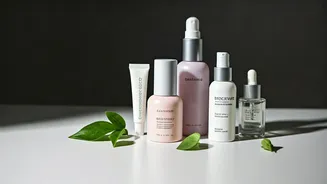
The concept originated in South Korea, a global epicentre of skincare innovation. For years, the Korean beauty philosophy has prioritised skin health over concealment. Where Western routines often focused on a simple cleanse-tone-moisturise cycle, K-beauty introduced the world to elaborate, multi-step rituals. The famous 10-step routine, which includes double cleansing, essences, serums, and sheet masks, is the engine behind the glass skin ideal. It’s a meditative, layered approach that treats skincare not as a chore, but as a form of self-care. This cultural shift was key: glass skin wasn’t a quick fix, but the rewarding result of dedication and consistency.
From Seoul to Your Social Feed
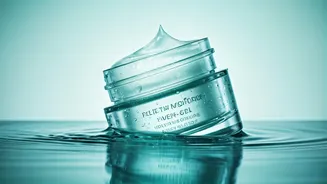
The global takeover of glass skin was powered by the digital age. In the mid-2010s, as K-pop and K-dramas gained international fans, so did K-beauty. Instagram became a gallery of impossibly dewy complexions. Beauty influencers like Ellie Choi, whose viral 2017 Twitter thread detailed her glass skin routine, demystified the process for a Western audience. Brands quickly followed, both by importing popular Korean products and by formulating their own hyaluronic acid serums, hydrating essences, and glow-boosting primers. Suddenly, the vocabulary of K-beauty—essence, ampoule, sheet mask—became part of the global beauty lexicon. TikTok later amplified this, with #glassskin tutorials racking up billions of views and turning the trend into a generational beauty standard.
Not Just One Way to Shine
The genius of glass skin is its adaptability. While the original 10-step routine felt intimidating to some, the core principle of a healthy, luminous base has spawned countless variations. We’ve seen “yoga skin,” which mixes foundation with facial oil for a post-workout glow. There's "cream skin," which combines toner and moisturiser into one milky, hydrating step. More recently, "cloud skin" offered a softer, more diffused matte-glow hybrid for those wary of looking too shiny. This evolution proves the concept’s strength. It's not a rigid set of rules but a flexible ideal: healthy, hydrated skin that looks like your own, only better. The focus remains on "skincare first," even as the specific techniques and product counts change.
Why It's More Than a Trend
After years of dominance, it's clear that glass skin is more than just a passing fad. It represents a fundamental paradigm shift in beauty. The trend moved the goalposts from covering imperfections with makeup to celebrating and caring for the skin itself. This has had a lasting impact on the beauty industry, fuelling the growth of the skincare market and forcing makeup brands to innovate with skin-friendly formulas like tinted serums and hydrating foundations. Of course, the ideal isn't without criticism. The pursuit of "poreless" skin can feel like an unattainable and expensive standard. Yet, at its best, the glass skin movement has encouraged a generation to learn about ingredients, listen to their skin's needs, and view their skincare routine as a moment of wellness in a hectic world.