


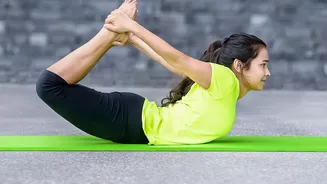
Decoding the 'Hidden Lotus' Pose
The pose Shilpa Shetty demonstrated is known as Gupta Padmasana, or the 'Hidden Lotus Pose'. It's an advanced posture that begins in the classic Padmasana (Lotus Pose), where each foot is placed on the opposite thigh. From there, the practitioner leans
forward, bringing their chest towards the ground, and often binds the hands behind the back. Another closely related and equally advanced pose is Baddha Padmasana, or 'Bound Lotus Pose', where the practitioner remains seated upright while reaching their arms behind their back to grasp their toes. Both variations demand an extraordinary level of flexibility and are considered advanced asanas in yoga.
Why This Pose Is So Demanding
Achieving a pose like Baddha Padmasana or Gupta Padmasana is not a matter of simply trying harder; it requires specific physical attributes built over years of consistent practice. The primary requirement is deeply open hips capable of significant external rotation. Trying to force the legs into Lotus without this hip mobility is a common cause of knee injuries, as the knee joint is not designed to rotate in that way. Beyond the hips, the pose demands flexible ankles and knees that can handle deep flexion. Furthermore, the 'bound' variation, where the hands grasp the feet from behind the back, requires immense shoulder flexibility, specifically internal rotation and extension, to create the bind without straining the shoulder joints.
The Benefits for Advanced Practitioners
For those who can perform it safely, the Bound or Hidden Lotus Pose offers significant rewards. Physically, it provides a deep stretch for the hips, ankles, and knees while also opening up the chest and shoulders. This can help improve overall posture and counteract a rounded upper back. Traditionally, the pose is also believed to stimulate digestion and improve blood flow to the abdominal and pelvic regions. Mentally, the stability and grounding nature of the posture can calm the nervous system, reduce stress, and enhance concentration, making it a powerful pose for preparing for meditation.
Know the Risks and Who Must Avoid It
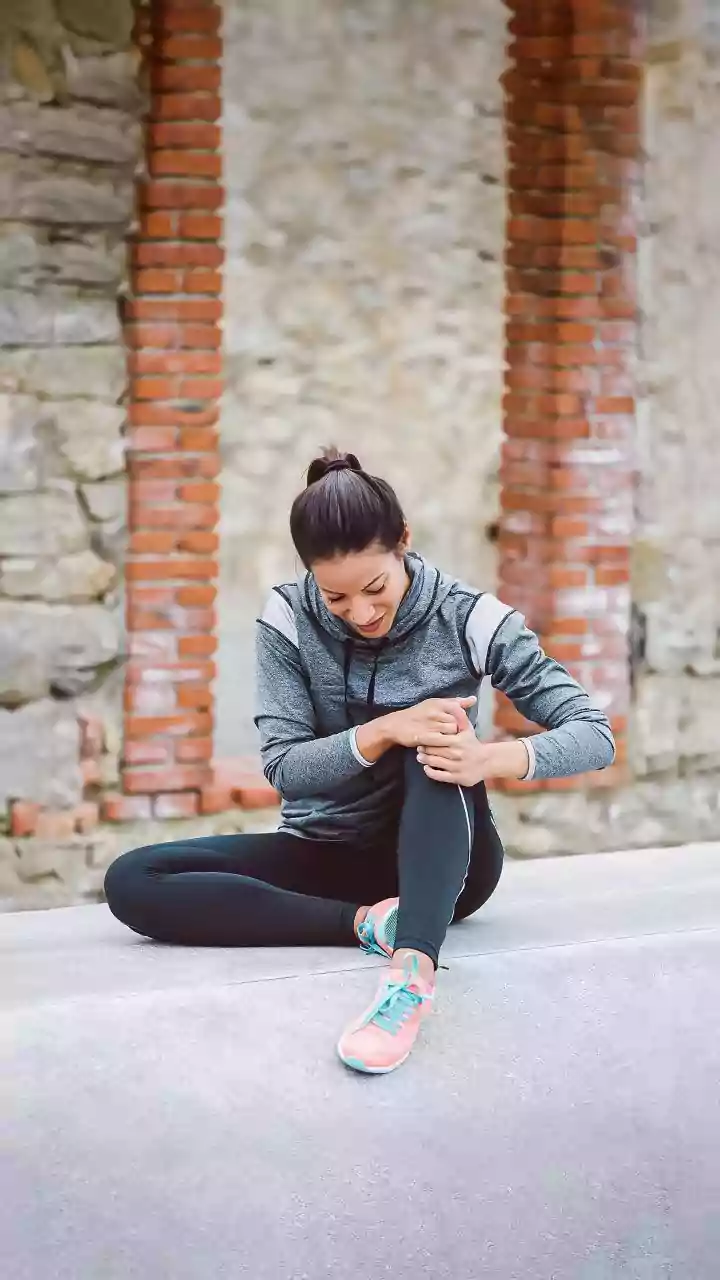
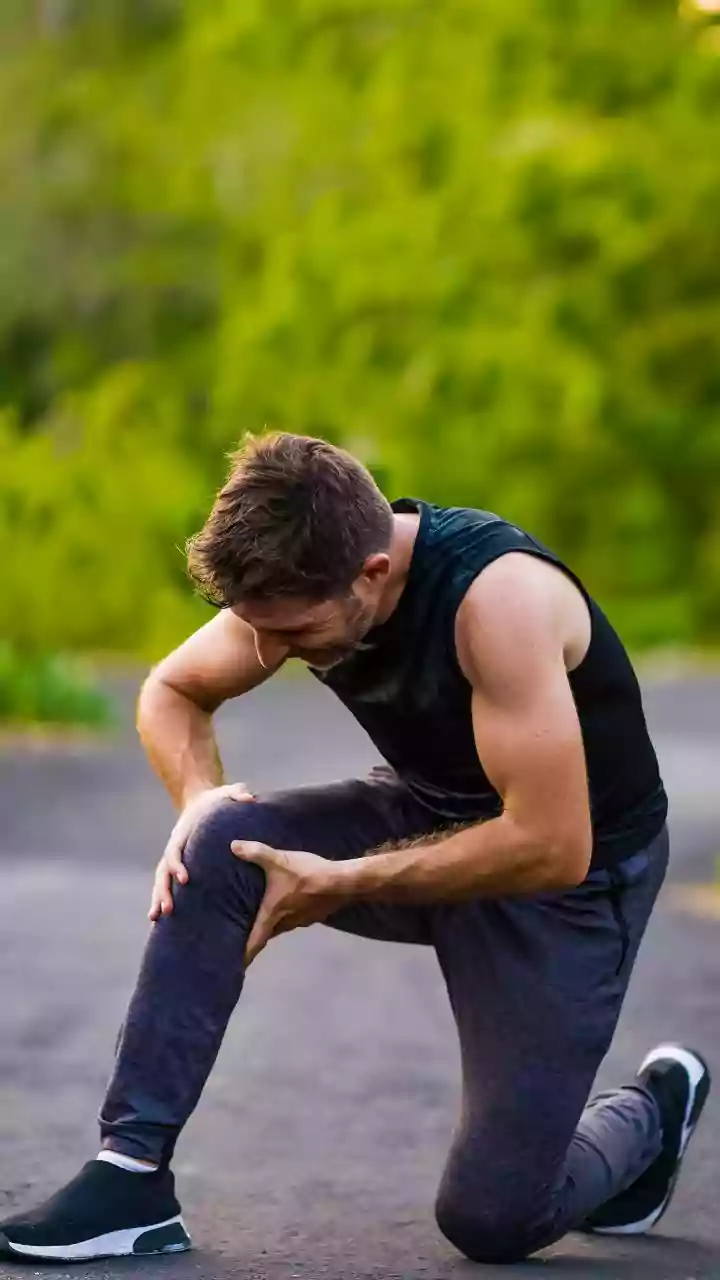
This is not a pose for beginners or even many intermediate practitioners. The biggest risk is serious injury to the knees, particularly meniscus tears, which can occur when the hip joints aren't flexible enough and the knee is forced to compensate. Anyone with pre-existing knee, ankle, or hip injuries should avoid Padmasana and its variations entirely. Similarly, individuals with shoulder injuries should not attempt the bind. Shilpa Shetty herself cautioned that those with pain in the hips, knees, shoulders, or cervical spine should steer clear. It's also advised against for people with sciatica, as the deep hip rotation can aggravate the nerve.
A Safer Path: How to Build Towards It
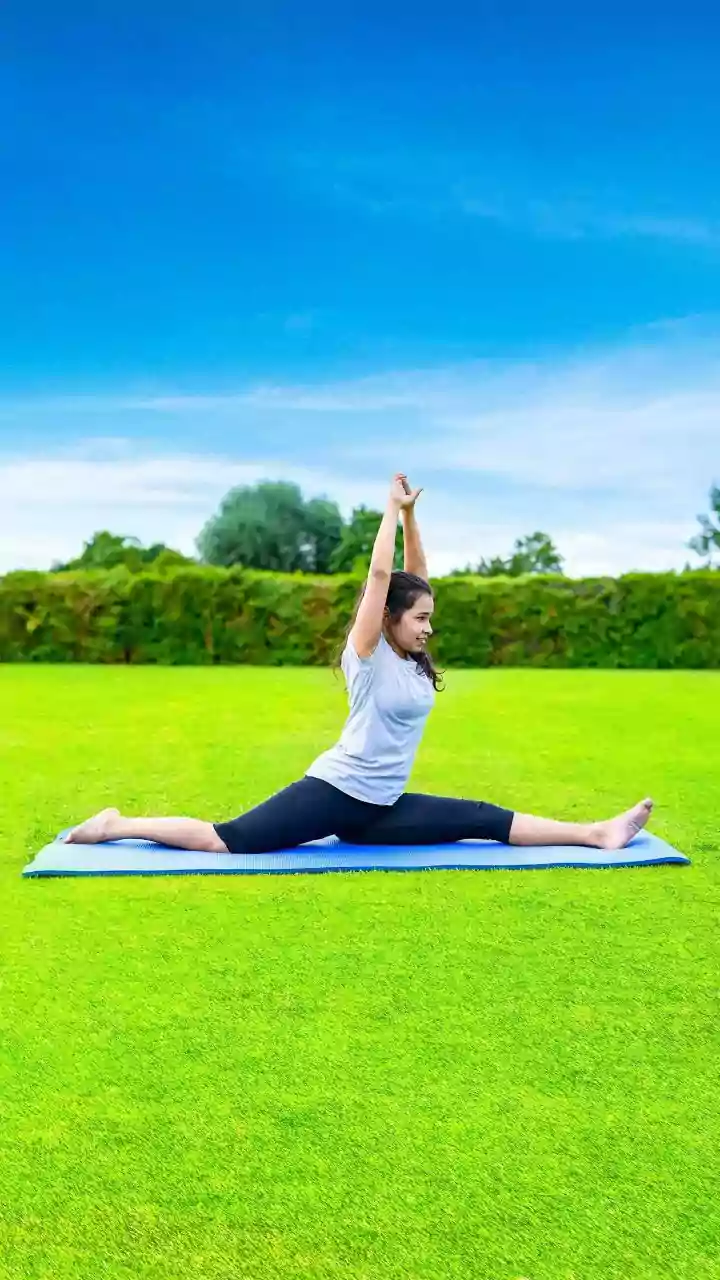
Inspired but not quite ready? The good news is that yoga provides a clear path to building the necessary mobility. Instead of aiming for the full pose, focus on preparatory asanas. Start with simple cross-legged poses like Sukhasana (Easy Pose) to get comfortable. Consistently practicing Baddha Konasana (Bound Angle or Butterfly Pose) is excellent for opening the hips safely. From there, you can progress to Ardha Padmasana (Half Lotus Pose), where only one foot is placed on the opposite thigh. This allows you to work on the external rotation of one hip at a time without excessive pressure. For shoulder mobility, Gomukhasana (Cow Face Pose) arms are an effective preparation for the behind-the-back bind. Only when Half Lotus is comfortable on both sides should one consider attempting the full Padmasana, preferably under the guidance of a qualified teacher.