


Why Choose Cold-Pressed?
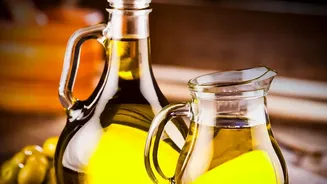
Before we dive into specific oils, it's important to understand what makes cold-pressed oils different. Unlike refined oils, which are extracted using high heat and chemical solvents, cold-pressed oils are produced through a mechanical pressing method
without heat. This gentle process helps the oil retain its natural nutrients, antioxidants, vitamins, and, most importantly, its original flavour and aroma. While refined oils have a higher smoke point, making them suitable for high-temperature deep-frying, they lose many of their beneficial compounds during processing. Cold-pressed oils, rich in healthy monounsaturated and polyunsaturated fats, are a more wholesome choice for most everyday cooking.
Mustard Oil: The Pungent Powerhouse
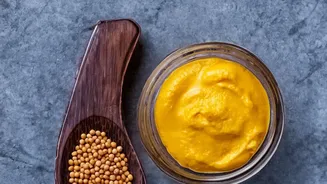
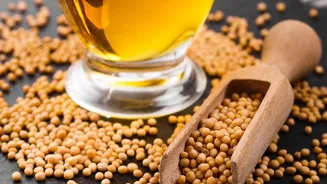
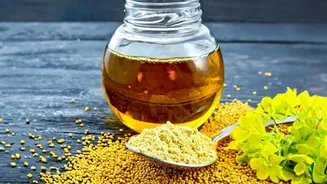
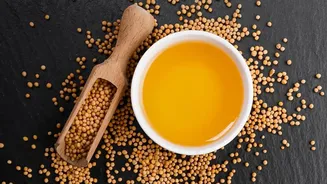
Known for its sharp, pungent aroma and bold flavour, mustard oil (or 'sarson ka tel') is a cornerstone of North and East Indian cooking. It's particularly dominant in Bengali, Bihari, and Punjabi cuisines. Its high smoke point makes it excellent for deep-frying snacks like pakoras and fish, as well as for the essential 'tadka' that forms the base of many curries. The strong flavour of mustard oil beautifully complements robust spices and is indispensable in making traditional pickles, where it also acts as a natural preservative. Dishes like Bengali 'Shorshe Ilish' (Hilsa in mustard sauce) and Punjabi 'Sarson ka Saag' owe their iconic taste to this oil. To mellow its pungency for some dishes, you can heat the oil until it just begins to shimmer before adding other ingredients.
Sesame Oil: The Nutty Nectar of the South
Sesame oil, often called 'gingelly oil' or 'til ka tel', is a staple in Southern India, particularly in Tamil Nadu, Andhra Pradesh, and Karnataka. Cherished for its distinct nutty aroma and flavour, it has been a part of Indian culinary and Ayurvedic traditions for thousands of years. In South Indian kitchens, sesame oil is key for tempering spices for dishes like sambar and rasam, and for mixing with 'idli podi' to create a delicious dip. It is also the traditional choice for various rice preparations like tamarind and lemon rice, and for making pickles like 'Avakkai' mango pickle. While it has a relatively high smoke point suitable for tempering and stir-frying, its flavour is best preserved with low to medium-heat cooking. Its warming nature, as per Ayurveda, also makes it popular in winter cooking in some parts of North India.
Groundnut Oil: The Versatile Kitchen Staple
Groundnut oil, or peanut oil, is celebrated for its mild, slightly nutty flavour and versatility, making it a popular choice in Western and Southern India, especially in Gujarat, Maharashtra, and Tamil Nadu. Its neutral character ensures that it doesn't overpower the other spices in a dish, making it an excellent all-purpose cooking medium. Cold-pressed groundnut oil has a moderate smoke point, making it ideal for everyday cooking methods like sautéing, stir-frying, and light frying of snacks like samosas. It is a go-to oil for many Gujarati farsan preparations and Maharashtrian vegetable dishes. Because it is less absorbent, foods fried in it tend to be crisp and less greasy. Rich in monounsaturated fats and Vitamin E, it is a heart-healthy choice for your daily meals.
Your Quick Pairing Guide
To make things simple, here’s a quick reference for pairing these oils with your favourite regional dishes: - For Bengali Fish Curry, Bihari Litti Chokha, or Punjabi Sarson ka Saag: Use Mustard Oil. - For South Indian Sambar, Rasam, Idli Podi, or Tamarind Rice: Use Sesame (Gingelly) Oil. - For Gujarati Thepla, Maharashtrian Poha, or general-purpose frying: Use Groundnut Oil. - For Pickles and Achar: Mustard oil is the traditional choice for its preservative qualities and sharp flavour. - For Tempering (Tadka): All three can be used. Sesame oil is preferred in the South, while mustard oil is common in the North and East.