




An Introduction to Konkani Flavours
Stretching along the western coastline of India through parts of Maharashtra, Goa, and Karnataka, the Konkan region boasts a cuisine shaped by its seaside geography. At its heart, Konkani food celebrates fresh, local ingredients. The culinary tradition
is built on a foundation of seafood, rice, and, most importantly, coconut. The use of coconut is extensive and varied; it appears as freshly grated flakes, rich and creamy milk, or in dried form, with each lending a different texture and depth to the dish. This cuisine is known for its delicate balance of spicy, tangy, and sweet notes, creating complex yet comforting meals.
The Magic of a Coconut-Based Gravy
The secret to many Konkani curries is a luscious gravy made from coconut milk or a finely ground paste of fresh coconut. This base is what makes the cuisine so transformative for a simple dinner menu. The coconut milk provides a creamy, luxurious texture that beautifully carries a host of spices, mellowing their heat while allowing their aromas to shine. It’s a perfect canvas for both robust seafood dishes and subtle vegetarian preparations. Beyond taste, coconut milk offers a dairy-free creaminess that is both satisfying and wholesome, adding a layer of richness without being overly heavy.
A Unique Balance of Sour and Spice
What truly sets Konkani curries apart is their signature flavour profile, which often features a distinct tangy or sour element to balance the richness of the coconut. This comes from unique regional ingredients. Kokum, a dried fruit from the mangosteen family, is a star player, lending a mild, refreshing tartness and a beautiful pink hue to dishes. It's famously used in Sol Kadhi, a soothing digestive drink made with coconut milk that often concludes a meal. Tamarind is another common souring agent. This tang is complemented by a specific blend of spices, which can include Byadagi red chillies for vibrant colour and mild heat, coriander seeds, cumin, and sometimes the intriguing, citrusy-peppery notes of Tirphal, a local variety of Sichuan pepper.
A World of Variety Beyond Fish Curry
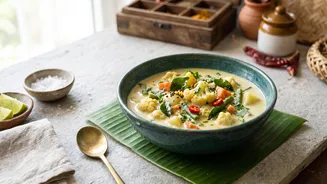
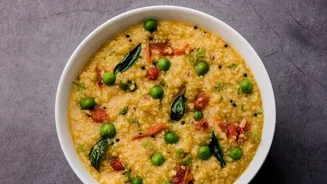
While famous for its seafood preparations, Konkani cuisine offers an incredible array of vegetarian options that are equally compelling. 'Valval' is a wonderful example, a mixed vegetable stew cooked in thin coconut milk that is both light and nourishing. For something heartier, there is 'Daali Ambat', a lentil-based coconut curry seasoned with onions and spices. Another popular dish is 'Khatkhate', a mixed vegetable curry made with at least five seasonal vegetables, jaggery, and a unique spice blend. These dishes demonstrate the versatility of the Konkani coconut curry, proving it can be adapted to whatever ingredients you have on hand, from lentils and beans to a variety of vegetables like pumpkin, ivy gourd, or potatoes.
Simple Steps to Your First Konkani Curry
Bringing these flavours into your kitchen is easier than you might think. Many Konkani recipes are straightforward and don't require complicated techniques. You can start with a simple vegetable or chicken curry. The core steps often involve creating a 'masala' paste by grinding fresh coconut with spices like red chillies, coriander, and turmeric. This paste is then simmered with your choice of protein or vegetables and thinned with water or more coconut milk to create the gravy. While ingredients like kokum and tirphal are regional specialties, they can be found in most Indian grocery stores and are worth seeking out to capture that authentic taste. Even without them, a basic curry with coconut milk, tamarind, and standard Indian spices will give you a delicious introduction.