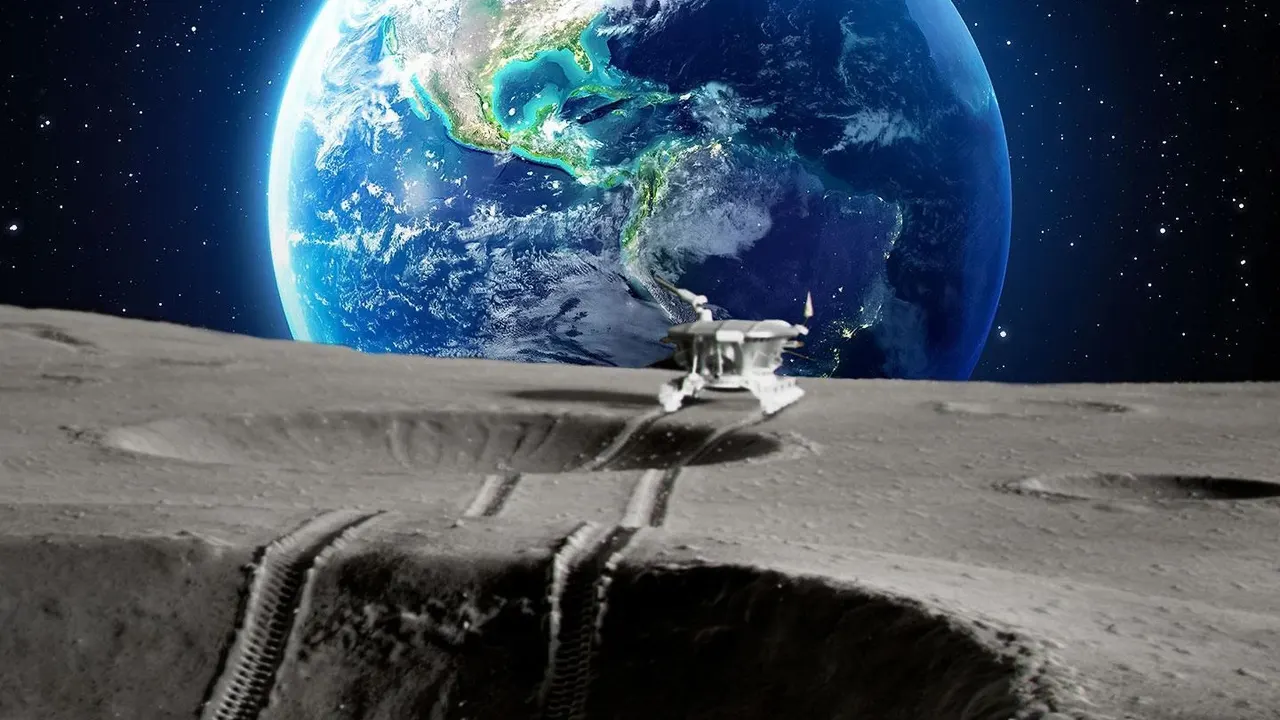



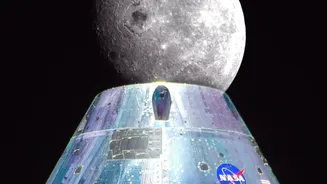

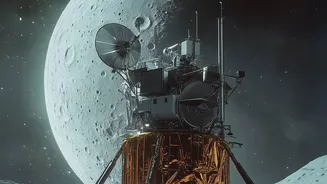
For the first time since the Apollo era, the dream of living on the Moon is becoming a concrete engineering plan. But this time, it’s not about planting flags and leaving footprints. The goal is to stay. Here’s the context you need to understand.
Meet Artemis Base Camp
The agency
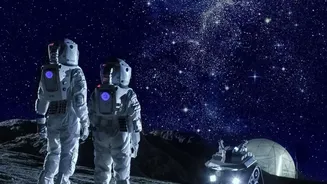
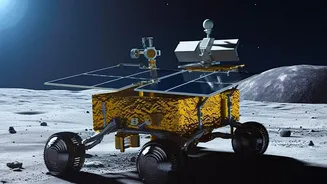
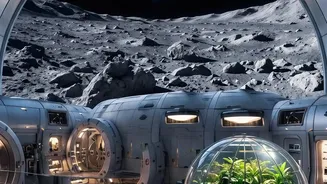
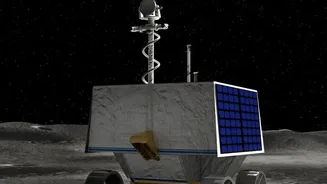
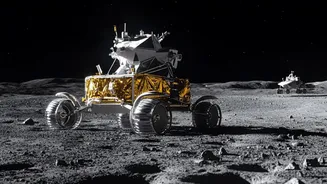
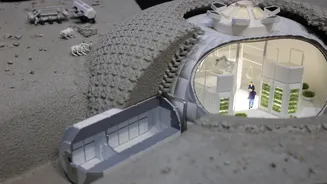
at the heart of this ambition is NASA, and the plan is called Artemis. While the Apollo missions of the 20th century were short sprints, Artemis is a long-distance marathon. The ultimate goal is to establish what NASA calls the 'Artemis Base Camp,' a permanent outpost on the lunar surface. This isn't science fiction; it's a phased, multi-decade strategy that is already in motion. The concept includes a modern lunar cabin or habitat, a rover for astronauts to travel across the surface, and a mobile home for longer expeditions. The aim is to build a facility where astronauts can eventually live and work for up to two months at a time, creating a sustained human presence on another celestial body for the first time in history.
Why Build a Base Now?
After decades of focusing on low-Earth orbit and robotic explorers, several factors are driving the push for a permanent lunar base. Strategically, it's a response to a new era of space exploration, with nations like China also planning their own lunar research stations. Scientifically, the Moon's South Pole is a treasure trove. Its permanently shadowed craters are believed to hold billions of tonnes of water ice. This ice can be mined and processed into breathable oxygen and, critically, hydrogen for rocket fuel. A lunar base, therefore, isn't just a laboratory; it's a potential interplanetary 'gas station'. This capability, known as in-situ resource utilization (ISRU), could dramatically lower the cost of deep space exploration by allowing rockets to refuel for journeys beyond the Moon.
A Stepping Stone to Mars
For NASA, the Moon is a crucial proving ground for its ultimate destination: Mars. Establishing and operating a base on the Moon, just a three-day trip away, allows engineers to test the habitats, life support systems, power generation, and technologies needed to survive on another world. Solving challenges like radiation exposure, extreme temperature swings, and reliance on local resources on the Moon provides invaluable experience before attempting a mission to Mars, where help would be six months away instead of three days. The Artemis program is explicitly designed to develop the capabilities required for a sustained human presence in deep space, making the lunar base an essential milestone on the path to becoming a multi-planetary species.
The Immense Challenges
Building a home on the Moon is one of the greatest engineering challenges humanity has ever faced. The lunar environment is unforgiving. There is no atmosphere to protect against the constant bombardment of solar radiation and micrometeorites. Temperatures fluctuate wildly, from over 120°C in sunlight to -248°C in shadow. The lunar dust, or regolith, is a major hazard; it's as fine as powder but as sharp as microscopic glass, posing a threat to both astronaut health and equipment. Furthermore, structures must be designed to withstand 'moonquakes' in a low-gravity environment where shaking can be more intense. Powering the base through the two-week-long lunar night is another significant hurdle, requiring robust energy storage solutions or potentially smallscale nuclear reactors.
A Global Effort
NASA is not undertaking this monumental task alone. The Artemis program is built on a framework of international and commercial partnerships. The Artemis Accords, a set of principles for peaceful lunar exploration, have been signed by dozens of countries, creating a broad coalition. Nations like Canada, Japan, and members of the European Space Agency are contributing key components, such as the Gateway (a small space station in lunar orbit), robotic arms, and pressurized rovers. Additionally, NASA is heavily relying on private companies through its Commercial Lunar Payload Services (CLPS) initiative to deliver science and cargo to the surface, fostering a new lunar economy. This collaborative approach pools resources, shares costs, and transforms the return to the Moon into a global endeavor.