







Nature’s Original Sports Drink
Known as “nature’s fluid of life” in ancient texts, tender coconut water is the clear liquid found inside young, green coconuts. [1] It’s a naturally refreshing beverage that is low in calories and free of fat and cholesterol. [15] A single 240ml serving
typically contains around 45 to 60 calories and is composed of about 94% water, making it an excellent hydrator. [20, 15] Beyond just water, it's packed with essential minerals and electrolytes lost through sweat, including potassium, magnesium, calcium, and sodium. [2, 21] This natural composition has made it a go-to drink for hydration for centuries, long before commercial sports drinks were invented. [1]
The Electrolyte Showdown
The main selling point of sports drinks is their electrolyte content, designed to replenish what your body loses during intense exercise. [5] However, tender coconut water is a natural powerhouse of electrolytes, particularly potassium. Some analyses show it can contain up to five times more potassium than leading sports drinks like Gatorade or Powerade. [11] A single cup can provide around 15% of your daily potassium needs. [2] Potassium is crucial for preventing muscle cramps and regulating fluid balance. [11] While sports drinks are often higher in sodium—a critical electrolyte for retaining fluid during prolonged, intense exercise—coconut water provides a more balanced profile for moderate activity. [5, 11] For the average person enjoying a regular workout, the high potassium and natural mineral content of coconut water is more than sufficient. [11, 18]
What’s Really In Your Sports Drink?
Lab-made sports drinks are scientifically formulated for hydration, but this often comes with a list of artificial ingredients. Many popular brands contain high amounts of added sugar, such as high-fructose corn syrup, as well as artificial colours and sweeteners like sucralose. [14, 23] A single bottle of a sports drink can exceed the daily recommended sugar intake for women. [23] There is growing concern among health organizations about the long-term effects of artificial sweeteners and dyes, with some studies linking them to disruptions in gut health and metabolic issues. [25, 26, 27] In contrast, fresh, organic coconut water is free from these additives. Its sweetness comes from natural sugars like glucose and fructose, and its nutrient profile is entirely plant-based. [4]
Performance and Practicality: When to Choose Which
While coconut water is a superior choice for general hydration and light to moderate exercise, sports drinks still have their place. [19] For elite athletes or anyone engaged in high-intensity exercise for more than 60-90 minutes, a specifically formulated sports drink can be beneficial. [3, 17] The higher sodium content helps with fluid retention, and the easily digestible carbohydrates provide a quick source of energy to prevent fatigue. [5, 6] However, for most people—those hitting the gym for an hour, going for a jog, or doing a yoga class—the extra sugar and sodium in sports drinks are unnecessary. [17, 18] In these cases, water or coconut water is a healthier and more effective choice for rehydration. [9, 17] Some studies have found no significant difference in hydration or performance between coconut water, sports drinks, and even plain water after moderate exercise. [8, 9, 10, 13]
Why Organic and Tender Matters
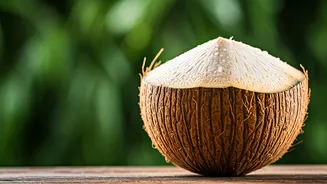
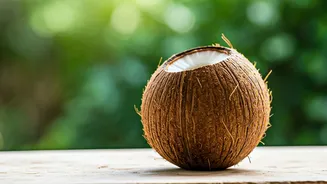
The headline's emphasis on "tender organic coconut water cups" points to the best way to consume this beverage. Tender coconuts, typically harvested at 7-8 months, contain water that is at its peak for sweetness and nutrient content. [1] As the coconut matures, the nutritional profile changes. [20] Opting for organic ensures you are avoiding pesticides that may be used in conventional farming. The most significant benefit, however, comes from drinking it fresh. Packaged coconut waters, while convenient, can lose some of their nutrients during processing and may contain added sugars or preservatives to extend shelf life. Drinking directly from a fresh coconut cup ensures you get the purest, most nutrient-rich version, just as nature intended.