






Roughing It Up With a Coarse Towel
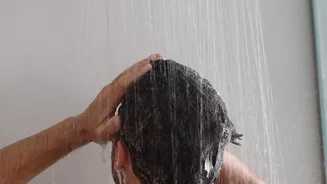
After a wash, the first instinct is often to grab a regular bath towel and rub your hair vigorously to get the water out. This is one of the most common ways to cause damage. Wet hair is at its most fragile and elastic state. The friction from a rough
towel lifts and damages the hair's outer layer, or cuticle, leading to frizz, split ends, and breakage. During the monsoon, when the air is already saturated with moisture, a roughened cuticle will only absorb more humidity, making frizz even worse. Instead of aggressive rubbing, gently squeeze or blot excess water with a soft microfiber towel or an old cotton t-shirt. These materials are much gentler and absorb water effectively without creating damaging friction.
Tying or Braiding Wet Hair Tightly
It can be tempting to tie up damp hair to get it out of the way, but this habit puts your hair and scalp at risk. Pulling wet, fragile hair into a tight ponytail or bun stretches the strands when they are at their weakest, leading to tension breakage and even weakened roots over time. Furthermore, tying wet hair creates a damp, warm environment against the scalp, which is an ideal breeding ground for fungi and bacteria, especially in the humid monsoon weather. This can lead to scalp issues like dandruff, itchiness, or even fungal infections like Malassezia folliculitis. It's best to let your hair dry completely before tying it up. If you must, opt for a very loose braid or use a gentle clip.
Blasting Soaking Hair with High Heat
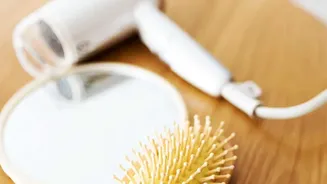
Using a blow dryer on its highest heat setting on dripping wet hair is a recipe for disaster. The intense heat can literally boil the water inside the hair shaft, causing permanent damage known as 'bubble hair'. This creates weak spots and blisters within the hair fibre that lead to breakage. While air-drying for hours isn't ideal in the monsoon due to prolonged dampness, excessive heat is not the answer. The best approach is a combination: let your hair air-dry or gently towel-dry until it's about 70-80% dry, then use a blow dryer on a low or cool setting to finish the job. Always keep the dryer moving and hold it at least six inches away from your hair to minimize heat concentration.
Going to Bed with Damp Hair
Sleeping with wet hair combines two major hair hazards: prolonged moisture and friction. As you toss and turn, your vulnerable wet hair rubs against the pillowcase, leading to frizz, tangles, and breakage. More importantly, a damp pillow becomes a warm, moist environment perfect for the growth of bacteria and fungi, which can be transferred to your scalp and face. This can worsen conditions like dandruff or lead to scalp irritation and infections. While it won't cause you to catch a cold, it's a significant risk for your hair and scalp health. Make sure your hair, especially at the roots, is completely dry before you go to sleep.
Brushing or Combing Incorrectly
Because wet hair is so weak, aggressively brushing it can cause significant stretching and snapping. Never use a regular brush on soaking wet hair. Instead, wait until your hair is damp, and then use a wide-tooth comb. The proper technique is to start detangling from the ends and gradually work your way up to the roots. This method prevents you from pulling a knot from the top all the way down, which can create a larger tangle and cause a lot of breakage. Being patient and gentle during this step is crucial for preventing unnecessary hair fall and maintaining the integrity of your strands during the humid monsoon season.