


The Challenge of Finding Life
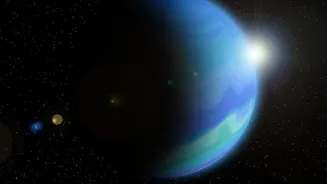
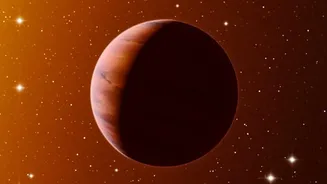
Searching for life across interstellar distances presents a monumental challenge. Exoplanets are incredibly far away and astonishingly faint compared to the blazing stars they orbit. Directly imaging the surface of a rocky, Earth-sized planet to spot
oceans, continents, or even alien cities is far beyond our current technological reach. It's like trying to spot a specific grain of sand on a beach from kilometres away. This is why scientists have turned to a more clever and achievable method: analyzing the thin veil of gas that surrounds these worlds. A planet's atmosphere can hold the chemical clues—or biosignatures—that point to the presence of life.
Reading the Barcode of Starlight
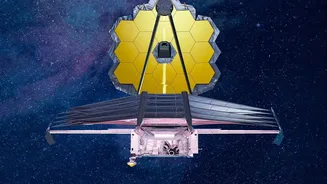
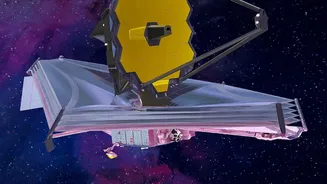
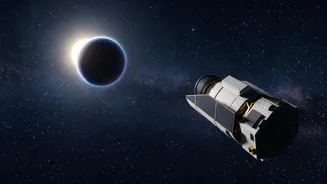
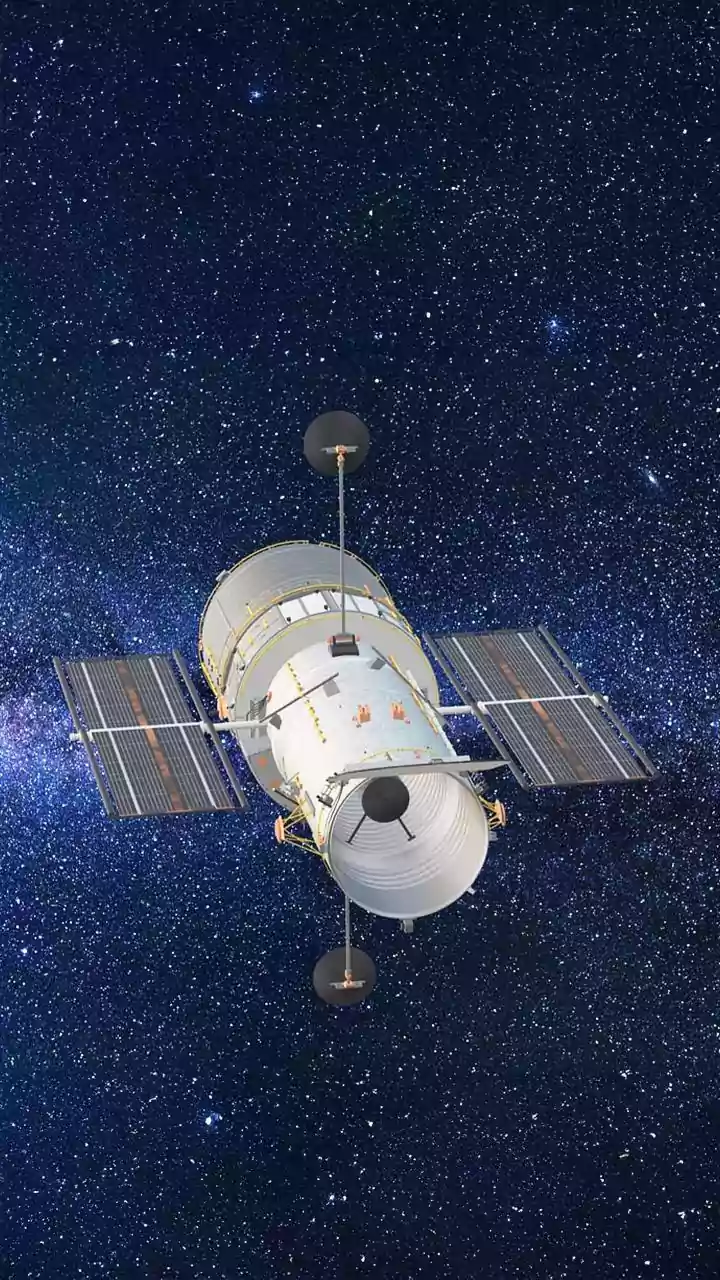
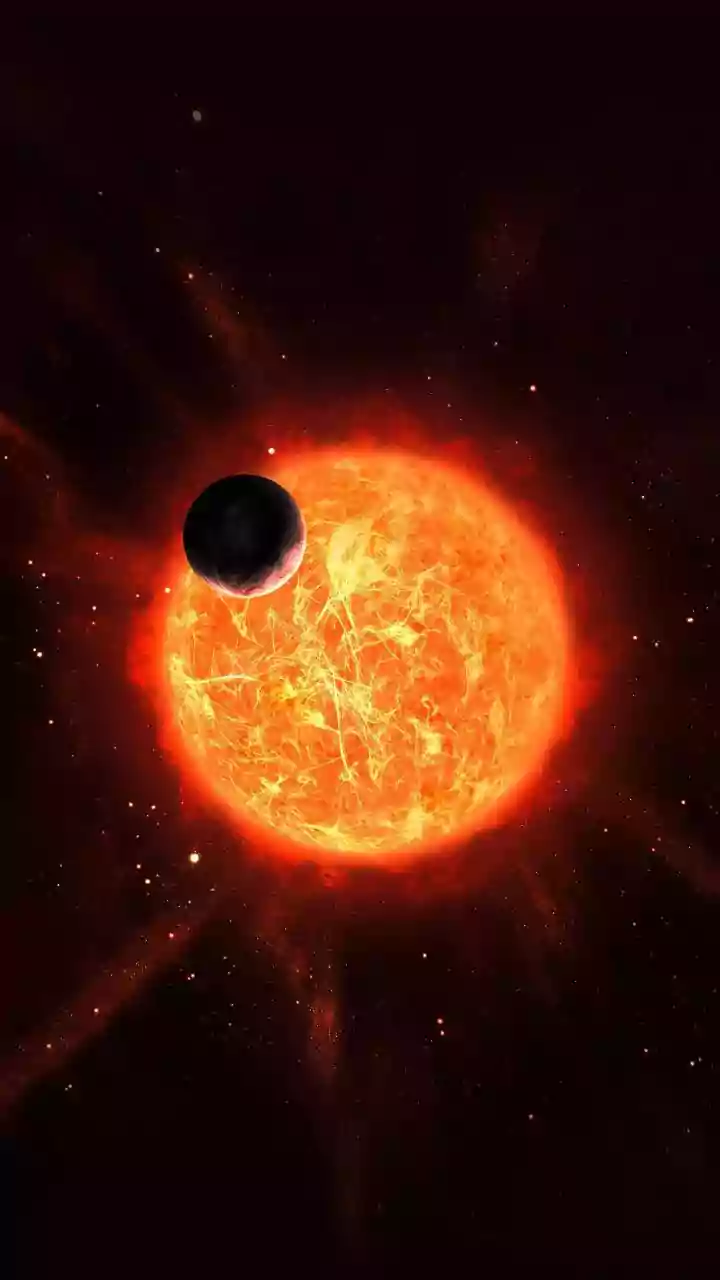
The primary technique used by telescopes like the James Webb Space Telescope (JWST) is called transit spectroscopy. It works when an exoplanet passes, or transits, in front of its host star from our perspective. As the starlight shines through the edge of the planet's atmosphere, gases within it absorb light at very specific wavelengths. Each gas or chemical compound has a unique absorption pattern, like a chemical barcode. By capturing the spectrum of this filtered starlight, astronomers can identify which gases are present, even from light-years away. This method allows us to perform a chemical inventory of a distant world's air.
What are Biosignatures?
A biosignature is any substance, element, or phenomenon that provides scientific evidence of past or present life. In atmospheric analysis, this means looking for gases that are unlikely to exist in large quantities without being continuously produced by biological processes. On Earth, life has completely transformed our atmosphere. The most famous example is oxygen. Oxygen is a highly reactive gas that would quickly disappear from our atmosphere if it weren't constantly replenished by photosynthesis in plants and microbes. Therefore, finding large amounts of oxygen in an exoplanet's atmosphere would be a very strong indicator of potential life.
The Disequilibrium Detective Story
While finding a single gas like oxygen would be exciting, the most compelling evidence comes from finding a combination of gases that shouldn't coexist. For example, finding both abundant oxygen and methane in the same atmosphere would be a major red flag for life. These two gases react with each other and would normally cancel each other out over geological timescales. Their simultaneous presence suggests two different processes are at work: one producing oxygen (like photosynthesis) and another producing methane (like microbial metabolism). This state of chemical imbalance, or 'disequilibrium,' is considered a robust biosignature because it's difficult to explain through purely geological or chemical means.
The Hurdles and Future of the Search
This search is not without its difficulties. A significant challenge is the risk of false positives, where non-biological processes could mimic the signs of life. For instance, intense ultraviolet radiation from a star could split water molecules, creating an oxygen-rich atmosphere without any life at all. Furthermore, the signals are incredibly faint, and different analysis methods can sometimes lead to conflicting results. The recent potential, though debated, detection of dimethyl sulfide (DMS) on the exoplanet K2-18 b highlights both the promise and the complexity of this work. While the JWST is a powerful tool laying the foundation, future missions like the planned Habitable Worlds Observatory will be designed specifically to refine these techniques and move us closer to a definitive answer.