






The Whispers Before the Shout
Long before the dramatic signs of heat exhaustion appear, your body sends out quiet warnings. These early symptoms are easy to ignore because they don't feel like a medical crisis. You might feel unusually irritable or weak. A mild headache might start
to throb, or you could notice a sense of general discomfort and fatigue. Even something as simple as feeling excessively thirsty is a sign that your body is already struggling to cope. These initial stages of heat stress occur when your body begins to have trouble regulating its internal temperature due to the heat. It's a signal that your body's natural cooling systems are being overworked.
From Exhaustion to Emergency
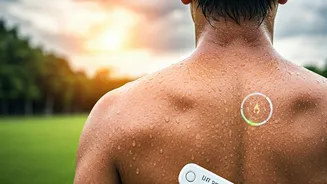
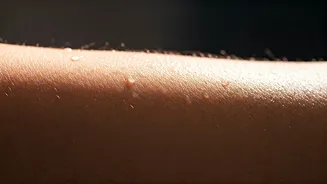
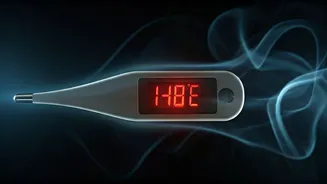
If those early whispers are ignored, your body's signals get louder, progressing to heat exhaustion. The symptoms become more pronounced: heavy sweating, dizziness, nausea, and muscle cramps in the arms, legs, or stomach. Your skin might feel cool and clammy despite the heat. This is a critical stage. Heat exhaustion itself is not usually a medical emergency if you can cool down within 30 minutes. However, if left untreated, it can quickly escalate to heatstroke, which is a life-threatening condition. The key difference is a change in mental state. Confusion, agitation, slurred speech, or loss of consciousness are red flags for heatstroke and require immediate emergency help. In cases of heatstroke, the body's temperature can rise to dangerous levels, and the person may even stop sweating.
Why Humidity Is a Hidden Threat
Temperature alone doesn't tell the whole story. High humidity is a critical factor because it sabotages your body's primary cooling mechanism: sweating. Normally, sweat evaporates from your skin, taking heat with it. But when the air is already saturated with moisture, this evaporation slows down or stops completely. This means that even at a seemingly manageable temperature, high humidity can make it feel much hotter and dramatically increase your risk of heat stress. Your body continues to produce sweat, but it can't cool you down effectively, leading to a faster rise in core body temperature.
Who Is Most at Risk?
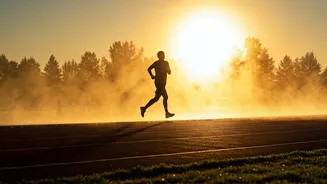
While anyone can be affected by heat stress, some groups are particularly vulnerable. Infants and young children, along with adults over 65, have a reduced ability to regulate their body temperature. People with chronic health conditions, especially heart disease, breathing problems, or mental illness, are also at greater risk. Outdoor workers, athletes, and anyone performing strenuous physical activity in the heat must be especially cautious. Certain medications, including some for blood pressure and depression, can also interfere with the body's ability to stay cool.
Your Action Plan for a Hot Day
Prevention is always the best strategy. Start by staying hydrated; drink plenty of water and other cool, non-alcoholic beverages even before you feel thirsty. Wear lightweight, loose-fitting, and light-coloured clothing. If possible, avoid being outdoors during the hottest part of the day, typically between 11 a.m. and 3 p.m. If you must be outside, take frequent breaks in the shade or an air-conditioned space. Never leave children or pets in a parked car. It's also wise to use a buddy system: check in on friends, family, and neighbours who may be vulnerable, and have them do the same for you.
What to Do at the First Sign of Trouble
If you or someone else shows signs of heat exhaustion, take immediate action. Move to a cool place, either in the shade or an air-conditioned room. Lie down and elevate the legs and feet slightly. Loosen any tight clothing and offer sips of cool water or a sports drink to help replace lost fluids and salts. You can help cool the person's skin by spraying it with cool water and fanning them, or by placing cool, wet cloths on the neck and under the armpits. If symptoms don't improve within an hour, or if they worsen and show signs of heatstroke like confusion or fainting, seek emergency medical help immediately.