




The End of the Off-Season
For decades, the Indian travel calendar was predictable. Summer and winter were peak seasons, commanding high prices and requiring advance bookings. The monsoon, by contrast, was the designated off-season—a quiet, budget-friendly window for spontaneous
trips. That era is officially over. Travel industry reports from across the board show a fundamental shift. Major travel platforms and tour operators are reporting a 25-30% year-on-year surge in demand for monsoon travel. This isn't a minor uptick; it's a structural change. Hotels in popular monsoon destinations are seeing occupancy rates that rival their traditional peak seasons, and flight tickets to these locations no longer see the dramatic price drops they once did. The monsoon has gone from being a travel industry afterthought to a third, distinct peak season.
What's Driving the Rush?
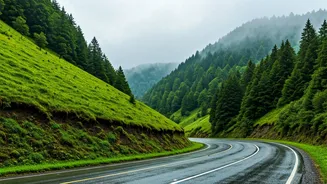
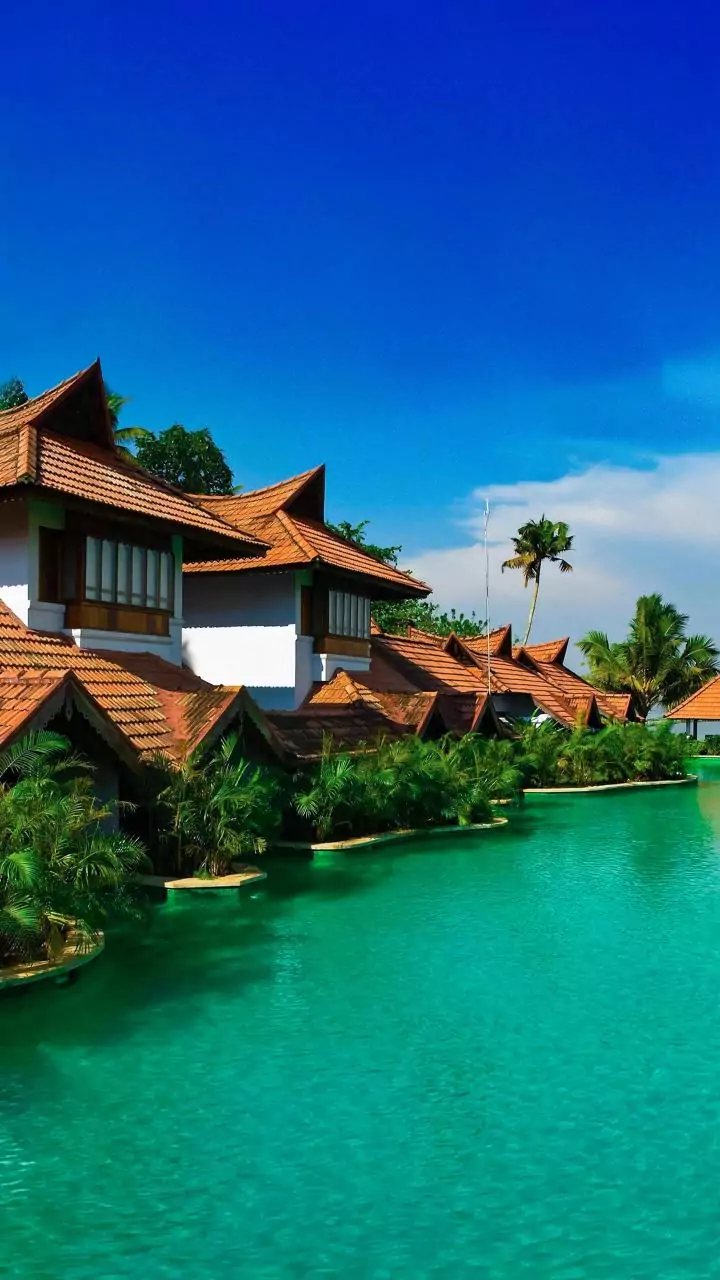
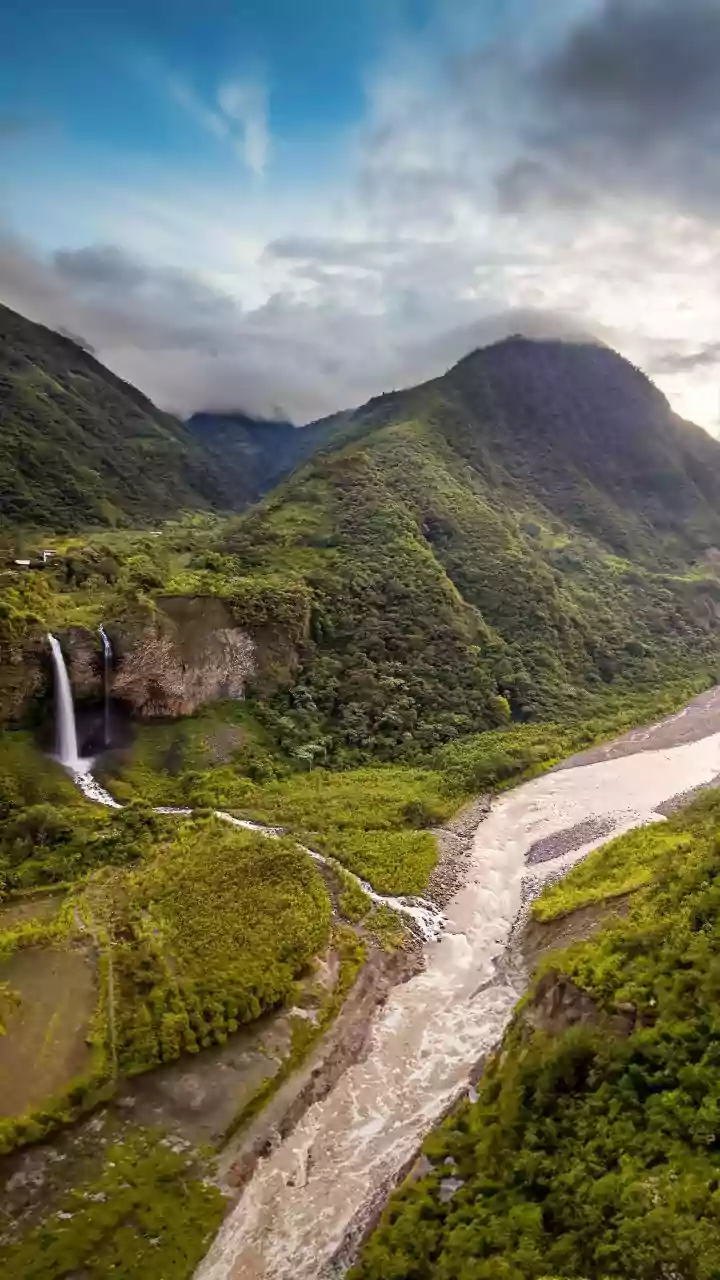
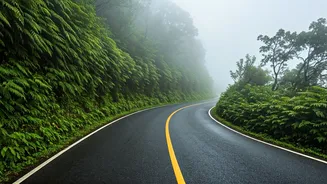
Several factors are converging to fuel this monsoon mania. Firstly, there's the sustained appetite for travel that began post-pandemic. Indians are more eager than ever to take breaks, and they are no longer willing to wait for the 'perfect' season. The rise of flexible and remote work policies also plays a part, allowing professionals to take short breaks or 'workations' more freely. Secondly, social media has transformed the perception of monsoon travel. The lush greenery, misty hills, and dramatic cloudscapes of regions like the Western Ghats, Meghalaya, and Kerala have become prime content for Instagram and YouTube, turning what was once seen as an inconvenience—the rain—into a core part of the aesthetic appeal. Lastly, improved infrastructure, including better roads and connectivity, has made many previously inaccessible areas safer and easier to reach during the rains, reducing a significant barrier for cautious travellers.
From Spontaneous to Strategic Booking
The most significant change is in booking behaviour itself. The old model of a last-minute monsoon getaway is becoming increasingly unviable. With demand soaring, travellers are now forced to plan ahead. According to booking platforms, the window for monsoon travel bookings has expanded significantly. Where people once booked a week or two in advance, they are now finalising plans four to six weeks out, especially for popular long weekends. This shift from spontaneous to strategic planning indicates that travellers now view a monsoon holiday with the same seriousness as a Diwali or summer vacation. They are competing for the best deals on flights and the most desirable properties, which are getting snapped up much earlier. The result is a more crowded, competitive, and often more expensive booking experience.
New Destinations on the Monsoon Map
While classic destinations like Goa, Kerala, and Coorg continue to draw crowds, the new wave of monsoon travel is also putting a spotlight on a wider range of locations. The Northeast, particularly Meghalaya—aptly named 'the abode of clouds'—has seen a dramatic increase in interest. Its stunning waterfalls and living root bridges are at their most spectacular during the rains. Similarly, hill stations in Uttarakhand and Himachal Pradesh are attracting visitors looking for cool climes and misty mountain views. The Western Ghats in Maharashtra, including places like Lonavala, Mahabaleshwar, and Bhandardara, are booming as 'drivecation' hotspots for residents of Mumbai and Pune. This diversification of destinations shows a growing maturity in the Indian traveller, who is now looking beyond the obvious choices to find unique seasonal experiences.
The Impact on Prices and Planning
This behavioural shift has direct consequences for your wallet and your calendar. The 'off-season discount' is rapidly becoming a myth in popular monsoon destinations. While prices may not reach the absolute peaks of New Year's Eve, they are substantially higher than they were just a few years ago. Flights and hotels now employ dynamic pricing that responds to this new demand, meaning last-minute bookings will almost certainly cost you a premium. For travellers, this means the key to a successful monsoon trip is no longer spontaneity, but foresight. To get the best value, you now need to monitor prices, book well in advance, and be flexible with your dates if possible. The days of waking up on a Friday and booking a cheap weekend trip to the hills are fading fast.