




The Code on the Bottom
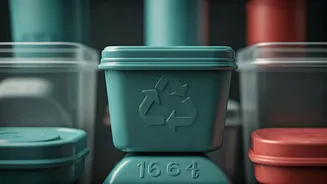
Flip over almost any plastic container, and you'll find a triangle with a number inside, ranging from 1 to 7. This is the Resin Identification Code (RIC). It tells you what type of plastic the item is made from. While it was originally created to help
recycling facilities sort materials, this number has become a crucial guide for consumers to understand the potential health and safety profile of their plasticware. Knowing what these numbers mean can help you choose safer options for food storage and avoid chemicals that have raised health concerns. It’s not about eliminating plastic entirely, which is difficult, but about making smarter, more informed choices every day.
Safer Bets: Numbers 2, 4, and 5
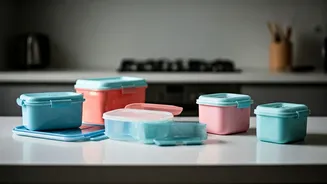
Generally, plastics with the codes 2, 4, and 5 are considered the safest for food and drink contact. Number 2 (HDPE or High-Density Polyethylene) is a sturdy, opaque plastic used for milk jugs, juice bottles, and curd containers. Number 4 (LDPE or Low-Density Polyethylene) is a more flexible plastic found in items like bread bags and squeeze bottles. Number 5 (PP or Polypropylene) has a high melting point, making it a good choice for containers that might hold warm food or be used in a microwave, like yogurt tubs and many reusable food containers. In fact, Polypropylene is often considered the safest of all plastics for food use.
Use With Caution: Number 1 (PET/PETE)
Number 1, or Polyethylene Terephthalate, is one of the most common plastics, used for single-serving water, soft drink, and juice bottles. It's generally considered safe for its intended one-time use. However, health experts advise against reusing or heating these containers. Repeated use can cause physical breakdown of the plastic and create an environment for bacterial growth. There are also concerns that the material can leach chemicals, especially when exposed to heat, so it’s best to use these bottles once and then recycle them.
The Ones to Avoid: Numbers 3, 6, and 7
Health advocates strongly recommend avoiding plastics with codes 3, 6, and 7 for food and beverages. Number 3 (PVC or Polyvinyl Chloride) is used in some cling wraps and food packaging. It often contains plastic-softening chemicals called phthalates, which are known endocrine disruptors linked to a range of health issues. Number 6 (PS or Polystyrene), commonly known as Styrofoam, is used for disposable cups and takeaway containers. When heated, it can leach styrene, a suspected carcinogen. Number 7 is an 'other' category that can include various plastics, most notably polycarbonate, which may contain Bisphenol A (BPA). BPA is another well-known endocrine disruptor linked to developmental problems, cancer, and other health concerns. While some number 7 plastics can be safer bio-plastics, unless specified, it's best to be cautious.
Simple Rules for Safer Use
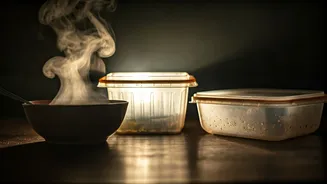
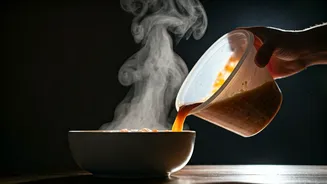
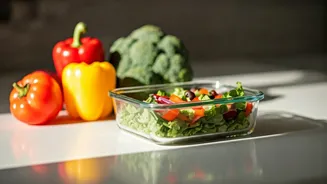
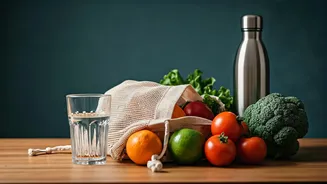
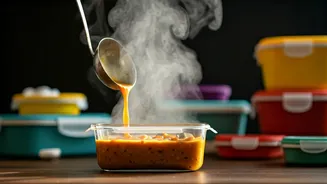
Beyond just checking the number, a few simple practices can drastically reduce your exposure to potentially harmful chemicals. Never microwave food in any plastic container, even if it is labelled “microwave safe,” as heat increases the rate at which chemicals can leach into your food. It's better to transfer food to glass or ceramic containers before heating. Similarly, avoid putting hot liquids or foods into plastic containers. Try to replace your plastic storage containers with glass or stainless steel alternatives over time. And finally, wash plastic containers by hand instead of in the dishwasher, as the high heat and harsh detergents can cause the plastic to break down faster.