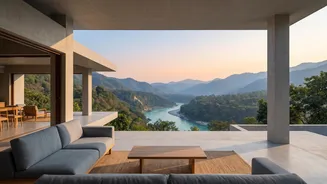








The Great Urban Exodus
For decades, the path to a successful career in India led directly to the bustling, congested streets of Mumbai, Bengaluru, or Delhi. But the pandemic-induced shift to remote work has permanently altered that map. A growing number of Indian professionals
are now choosing to leave the urban grind behind. They are trading expensive high-rise apartments and stressful commutes for serene landscapes and a more intentional way of life. This movement isn't about escaping work; it's about reframing it. The destination for many? Co-living and co-working hubs that have sprung up in spiritual and scenic locations, most notably along the banks of the Ganges in towns like Rishikesh.
More Than Just Wi-Fi and a Desk
The appeal of these riverside hubs goes far beyond basic infrastructure. While reliable, high-speed internet is a non-negotiable prerequisite, these spaces offer a holistic lifestyle package. They combine private rooms with shared lounges, communal kitchens, and dedicated workspaces, fostering a sense of community often lost in anonymous city life. Many establishments in Rishikesh, known as the 'Yoga Capital of the World', integrate wellness into the daily routine, offering yoga sessions, meditation classes, and healthy food options. After the workday is done, residents can partake in local hikes, bonfire nights, or simply enjoy the calm energy of the surroundings, making the workation a reset for both mind and mood.
The Spiritual Pull of the Ganges
Working with a view of the Himalayas and the sacred Ganges River is a powerful draw. For many, the river is not just a scenic backdrop but a source of inspiration and tranquility that enhances creativity and focus. Locations like Rishikesh have been spiritual magnets for centuries, and this heritage imbues the workation experience with a unique depth. The opportunity to start the day with a walk along the ghats, attend the evening Ganga Aarti, or simply work from a café overlooking the flowing water provides a profound contrast to the sterile environment of a corporate office. This blend of ancient spiritual culture with modern work demands is a core reason for the region's magnetism.
The Economics of a Better Lifestyle
A significant driver of this trend is simple economics. The cost of living in hubs like Rishikesh is considerably lower than in India's major metropolitan areas. Rent for a private room in a co-living space, often with utilities and Wi-Fi included, can be a fraction of the cost of a small apartment in Mumbai. Food and daily expenses are also more affordable, allowing digital nomads to maintain a comfortable lifestyle on a modest budget. This financial freedom reduces work-related stress and allows professionals to invest more in personal growth and experiences, from adventure sports like rafting to pursuing wellness courses.
Finding Your Tribe
Loneliness can be a major challenge for remote workers. Co-living spaces directly address this by creating built-in communities. These hubs become melting pots for freelancers, entrepreneurs, and remote employees from diverse fields, fostering an environment ripe for networking and collaboration. Residents often connect through organized community events, shared meals, or informal chats in the common lounge. This social fabric provides a support system, helping newcomers settle in and forge meaningful connections with like-minded individuals who understand the unique freedoms and challenges of the digital nomad lifestyle.