







The Rise of the 'Skinimalist' Backlash
Our social media feeds are filled with complex, multi-step skincare routines promising glass skin. This has led to a 'more is better' philosophy, with many of us layering multiple potent serums and treatments every night. We pile on retinoids, vitamin
C, and exfoliating acids, hoping for a miracle. However, instead of waking up with a radiant complexion, many are experiencing redness, sensitivity, and breakouts. This has sparked a counter-movement, with dermatologists advocating for a simpler, more intentional approach. The problem isn't the ingredients themselves, but the overuse and incorrect combination of them, which can overwhelm our skin.
What Exactly Are Active Ingredients?
Active ingredients are the components in skincare products that are scientifically proven to target specific skin concerns. They are the heavy lifters designed to do things like fight acne, reduce fine lines, or fade dark spots. Common actives include retinoids (like retinol) for cell turnover, Vitamin C for brightening and antioxidant protection, and chemical exfoliants like Alpha-Hydroxy Acids (AHAs) and Beta-Hydroxy Acids (BHAs) for improving skin texture. These ingredients are powerful and effective, but their strength is also why they need to be used with caution.
The Telltale Signs of Overdoing It
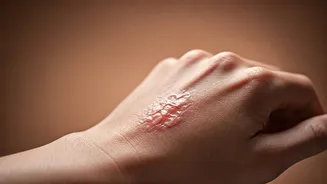
How do you know if your routine is too aggressive? Your skin will send clear signals. One of the first signs is increased sensitivity; products that were once fine might suddenly cause stinging or burning. Other red flags include persistent redness, inflammation, and a feeling of tightness after cleansing. You might also notice unusual dryness, flaking, or peeling that no amount of moisturiser can fix. Ironically, over-exfoliated skin can sometimes look waxy or overly shiny, which is a sign that its natural texture has been stripped away. Some people may even experience more breakouts as their skin's defense system is compromised.
Understanding a Damaged Skin Barrier
When dermatologists talk about overuse, their main concern is the skin barrier. Think of it as a brick wall: the skin cells are the bricks, and lipids (like ceramides) are the mortar holding them together. This barrier has two crucial jobs: keeping moisture in and keeping irritants out. Over-exfoliating and layering too many harsh actives can break down this 'mortar'. When the barrier is compromised, it can no longer effectively retain water, leading to dehydration. It also becomes vulnerable to environmental aggressors and bacteria, which is why you might experience inflammation and sensitivity.
How to Hit Reset and Repair Your Skin
If you suspect you've damaged your skin barrier, the first step is to simplify. Stop using all active ingredients immediately—that means no acids, no retinoids, and no vitamin C for a while. Pare your routine back to the absolute basics: a gentle, creamy cleanser, a simple barrier-repair moisturiser, and a broad-spectrum sunscreen during the day. Look for moisturisers with ingredients like ceramides, hyaluronic acid, glycerin, and niacinamide, which help to replenish the 'mortar' of your skin barrier and calm inflammation. This healing phase can take anywhere from a few days to a few weeks, so be patient.
Try 'Skin Cycling' for a Smarter Routine
Once your skin feels calm and healthy again, you can reintroduce actives in a more structured way. A popular, dermatologist-approved method is 'skin cycling'. It’s typically a four-night routine: Night 1 is for exfoliation (using an AHA or BHA), and Night 2 is for a retinoid. Nights 3 and 4 are recovery nights, where you only use gentle, hydrating products to give your skin time to rest and repair. This approach allows you to get the benefits of powerful ingredients without overwhelming your skin, reducing the risk of irritation and supporting long-term skin health.