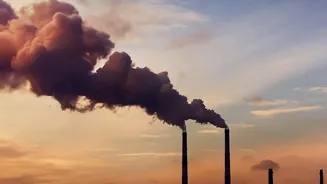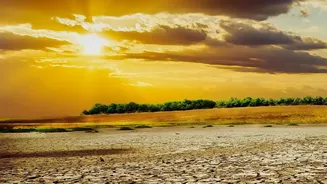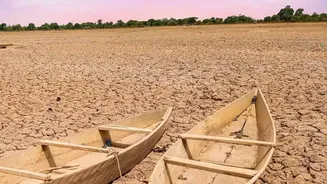





The world’s most critical climate target is now on life support. A stark new report released during the UN climate summit in Türkiye confirms that global action has dangerously stalled, making it nearly impossible to limit warming to 1.5°C.
A Dangerous Standstill
According to
the independent Climate Action Tracker report, released at the COP31 summit in Antalya, Türkiye, collective global climate efforts have made no meaningful progress for five consecutive years. While the first five years after the 2015 Paris Agreement saw enough action to reduce warming projections by a full degree Celsius, that momentum has vanished. The current stalemate, where minor positive steps are cancelled out by setbacks and unfulfilled promises, leaves the world on a perilous trajectory. The report warns that this inaction means the world is now headed for an 'irrecoverable overshoot' of the 1.5°C target, a goal established to prevent the most catastrophic impacts of climate change.
Why 1.5°C is the Magic Number
The 1.5°C limit isn't an arbitrary figure; it's a critical guardrail for humanity. Agreed upon in the 2015 Paris Agreement, it represents the threshold beyond which the risks of extreme heatwaves, flooding, droughts, and irreversible damage to ecosystems like coral reefs and ice sheets increase dramatically. Every fraction of a degree matters. The difference between 1.5°C and 2°C of warming could mean the displacement of millions more people, catastrophic biodiversity loss, and immense strain on global food and water supplies. Breaching this limit, even temporarily, can trigger tipping points with long-lasting consequences, such as the irreversible melting of the Greenland and West Antarctic ice sheets.
Where the World is Falling Short
The primary reason for the stall is a collective failure to turn pledges into concrete action. One of the most significant failures is in climate finance. A separate UN report highlighted that funding from wealthy nations to help developing countries adapt to climate change has been flat or even falling since 2022. These funds are essential for building flood defences, developing drought-resilient crops, and creating early warning systems for extreme weather. At the same time, while renewable energy is growing, the phase-out of fossil fuels like coal and gas is not happening fast enough to meet the demand of rising global energy needs. Political shifts and geopolitical conflicts have also diverted resources and attention, further slowing momentum.
What This Means for India
For India, a stalled global effort is deeply concerning. The country is already exceptionally vulnerable to climate change, facing intensifying heatwaves, erratic monsoons, severe flooding, and groundwater depletion. A global failure to curb emissions places a greater burden on India to adapt to impacts it did little to cause. This is a matter of climate justice, as developing nations face the harshest consequences while lacking the financial resources of developed countries to build resilience. The 'super El Niño' phenomenon, amplified by climate change, has already led to droughts and poor monsoons in India, driving up food inflation and putting pressure on farmers. Without robust global action, these climate-related economic shocks will only become more frequent and severe.
Is There a Path Forward?
The reports from Türkiye are grim, but they don't declare the fight is over. Instead, the conversation is shifting. With a temporary 'overshoot' of 1.5°C now seen as unavoidable, the new goal is to limit the peak warming to around 1.7°C or 1.8°C and then work to bring temperatures back down by the end of the century. Achieving this requires immediate and drastic emissions cuts — far beyond what countries have currently pledged. The reports call for a rapid phaseout of fossil fuels, deep reductions in methane, and for wealthy nations to finally deliver on their financial promises to support vulnerable countries. The summit in Türkiye is being framed as a moment to move from pledges to concrete implementation, transforming political will into tangible investments in a sustainable future.