




The Hidden Dangers on City Streets
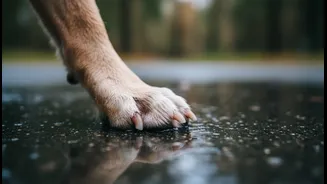
A walk around the block exposes your dog’s paws to a surprising number of hazards. Beyond the visible mud and grime, their pads act like little sponges, picking up a host of invisible threats. These include bacteria and parasites from animal waste, allergens
like pollen and mould, and harsh chemicals from pesticides or vehicle fluids. In wetter climates or during the monsoon, stagnant water can be a breeding ground for germs. Even small, sharp objects like tiny pieces of glass or pebbles can get lodged between their paw pads, causing discomfort or injury. What your dog brings in on their feet doesn't just stay at the door; it gets tracked all over your home.
Health Risks for Your Four-Legged Friend
The contaminants your dog picks up are not just a cleanliness issue—they pose a direct health risk. It’s natural for dogs to lick and groom their paws, but in doing so, they can ingest these harmful substances. This can lead to gastrointestinal upset or, in severe cases, poisoning. Furthermore, allergens on their paws can trigger intense itching, leading to obsessive licking and chewing. This cycle can break the skin, creating a moist environment that is perfect for painful bacterial or fungal infections to develop. Consistent irritation from chemicals or rough surfaces can also cause their paw pads to become dry, cracked, and sore.
A Cleaner and Healthier Home Environment
Your pet’s health and your home’s hygiene are directly linked. When your dog walks across your floors with uncleaned paws, they are essentially stamping bacteria and allergens onto every surface they touch. This includes carpets, sofas, and even your bed if they’re allowed on it. For households with young children who play on the floor, or family members with allergies or compromised immune systems, this can be a significant concern. Establishing a simple paw-cleaning routine at the entrance to your home is one of the most effective ways to reduce the spread of germs and keep your living space cleaner and healthier for everyone.
Method 1: The Quick and Easy Wipe-Down
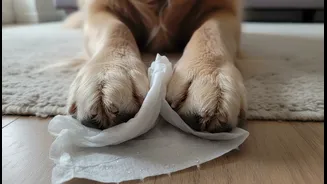
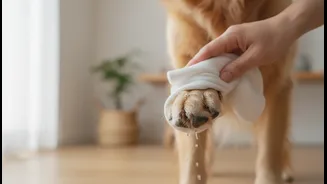
For daily cleaning after a standard walk on dry pavement, a simple wipe-down is often sufficient. The most convenient option is to use pet-specific grooming wipes. Look for brands that are hypoallergenic, alcohol-free, and made with gentle, natural ingredients. Avoid using human baby wipes, as their pH levels are different and they may contain ingredients that are irritating or toxic if ingested by your dog. Alternatively, a soft cloth dampened with lukewarm water works perfectly well. Be sure to gently wipe the top of the paw, the pads, and in between the toes to remove any surface dirt and allergens.
Method 2: The Deeper Paw Wash
After a particularly muddy adventure or a walk through wet, dirty streets, a more thorough wash is necessary. A paw plunger—a small cup with soft silicone bristles inside—can be a great tool. You simply add a little water, insert a paw, and twist gently. If you don't have one, a shallow basin of lukewarm water or even just using a sprayer in your shower or utility sink will do the trick. For very dirty paws, you can use a tiny amount of mild, dog-specific shampoo. Human soaps are too harsh and can strip natural oils from their skin. Crucially, always dry their paws completely with a clean towel afterward, paying special attention to the area between the toes to prevent yeast infections.
Making It a Positive Routine
Some dogs are sensitive about their paws being touched, so it's important to make the cleaning process a positive experience. If you have a puppy, start the routine early so they grow up accustomed to it. For any dog, start slowly. Begin by just touching their paws and rewarding them with a treat and praise. Gradually introduce the cloth or water. Keep the initial sessions short and positive. By associating paw cleaning with treats and affection, your dog will learn to tolerate, and perhaps even enjoy, this important daily ritual. Consistency is key; make it a non-negotiable step every time you come back inside.