

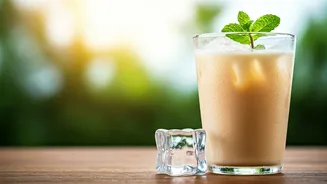



The Ultimate Summer Thirst-Quencher
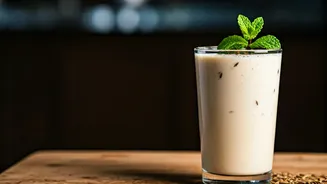
Picture the scene: a sweltering afternoon in May, the sun beating down relentlessly. You crave relief, something that doesn’t just mask the heat with sugar but genuinely soothes your system. This is where buttermilk, known affectionately across India
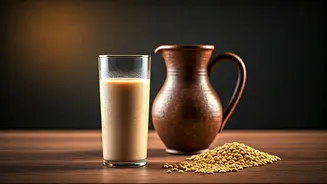
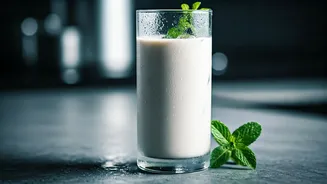
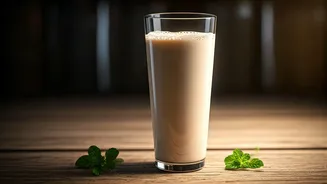
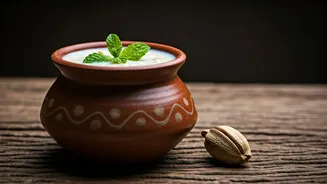
as chaas, mattha, moru, or sambharam, enters the picture. It’s not a drink you chug; it's one you savour. The first sip is a revelation—a tangy, slightly salty, and profoundly refreshing liquid that seems to cool you from the inside out. Unlike water, which can sometimes feel inadequate in extreme heat, buttermilk offers a complex flavour profile and a satisfying creaminess without being heavy. It’s the antidote to heat-induced lethargy, a simple, age-old remedy that modern beverages have never quite managed to replicate.
Ancient Wisdom Meets Modern Science
The enduring popularity of buttermilk isn’t just based on tradition; it’s backed by solid science. Ayurvedic texts have praised its digestive and cooling properties for centuries, and modern nutrition agrees. Buttermilk is a powerhouse of probiotics, the good bacteria that promote a healthy gut. During summer, our digestive fire (or ‘agni’) can weaken, leading to bloating and indigestion. Chaas helps stoke this fire, making digestion smoother. Furthermore, it's an excellent source of hydration. Packed with electrolytes like potassium, it replenishes the salts and minerals we lose through sweat. It also contains riboflavin, a B vitamin that helps convert food into energy, fighting off that classic summer fatigue. So when you feel cooled and revived after a glass, it’s not just your imagination—your body is genuinely being restored.
A Symphony of Regional Flavours
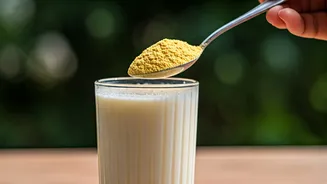
One of the most beautiful things about buttermilk is its versatility. It’s a canvas for a stunning array of regional Indian flavours. In Gujarat and Rajasthan, ‘chaas’ is often a thin, savoury drink spiced with roasted cumin powder (jeera), black salt (kala namak), and sometimes finely chopped coriander. Head south to Kerala, and you'll find ‘sambharam’, a vibrant version infused with the pungent kick of crushed green chillies, ginger, and fragrant curry leaves. In Tamil Nadu, ‘neer mor’ is tempered with mustard seeds and asafoetida. In the North, ‘mattha’ might be simpler, served plain and salty, or even sweetened in some regions like Punjab as a part of a lassi variant. Each version tells a story about local climate, agriculture, and culinary preferences, yet all share the same fundamental purpose: to cool, to soothe, and to delight.
The Original No-Waste Drink
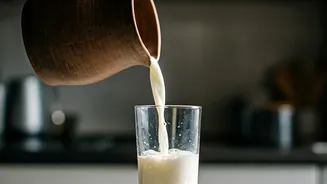
The ‘OG’ status of buttermilk also comes from its resourceful origins. Traditionally, buttermilk was the thin, nutrient-rich liquid left behind after churning butter from cultured cream or dahi. In a culture that values avoiding waste, this by-product was never discarded. Instead, it was transformed into a delicious and nourishing beverage. This process is different from the commercially available ‘cultured buttermilk’ sold in cartons today, which is typically made by adding bacterial cultures to low-fat milk. While both are delicious, the traditional version is a testament to the ingenuity of our ancestors, who knew how to extract maximum value from their food. This philosophy of thrift and respect for ingredients is at the heart of its identity.