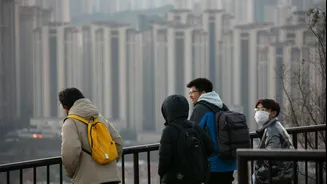






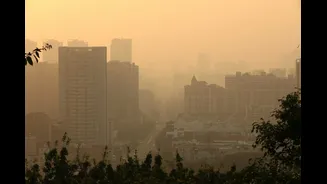

As winter approaches, so does the familiar haze of smog, enveloping cities and turning the air toxic. While we can't control the quality of the air outside, we can take decisive action to protect the air we breathe inside our homes.
Why Indoor Air Is Not Automatically Safe
It's a common misconception
that simply shutting your doors provides adequate protection from outdoor pollution. In reality, indoor air can be two to five times more polluted than the air outside. Fine particulate matter from smog, known as PM2.5, easily infiltrates homes through cracks in window frames, gaps under doors, and ventilation systems. Once inside, these harmful particles are joined by indoor pollutants from sources like cooking, cleaning agents, and incense, creating a hazardous mix that can cause or worsen respiratory issues, heart conditions, and allergies.
Seal Your Home to Create a Sanctuary
Your first line of defense is to make your home as airtight as possible. Start by inspecting windows and doors for any visible gaps or drafts. Use weatherstripping tape or sealant to close these openings. Rolled-up towels can be placed at the bottom of doors as a simple, effective barrier. Pay attention to other potential entry points for polluted air, such as exhaust fan openings, plumbing penetrations, and even electrical outlets on exterior walls. The goal is to minimize the uncontrolled flow of outside air into your living space, creating a more controlled environment that you can then actively clean.
Choosing and Using Air Purifiers Wisely
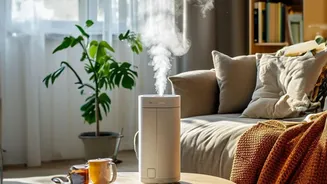
An air purifier is a powerful tool, but not all are created equal. The key is to look for a model with a 'True HEPA' filter, which is certified to capture 99.97% of particles as small as 0.3 microns, including PM2.5. Avoid filters marketed as 'HEPA-like', as they don't meet the same standard. The second crucial metric is the Clean Air Delivery Rate (CADR). This number tells you how quickly the purifier can clean a room. As a rule of thumb, the CADR should be at least two-thirds of your room’s area in square feet. For a typical 150-square-foot room, a CADR of at least 100 is needed. For cities with high pollution, aim for a purifier that can achieve four to five air changes per hour (ACH).
Strategies Beyond the Purifier
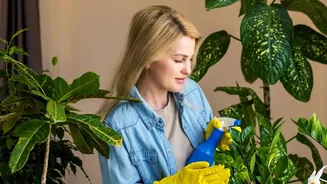
While purifiers are effective, they work best as part of a broader strategy. Reduce indoor pollution sources by avoiding burning candles or incense and ensuring your kitchen has proper ventilation when you cook. Wet mopping floors with a microfiber cloth can capture settled dust and particles without kicking them back into the air. Consider designating one room, ideally a bedroom, as your 'clean air room'. Keep the door closed and run your most effective air purifier in this space continuously to create a safe zone for sleeping, which is especially important for children, the elderly, and those with respiratory conditions.
The Ventilation Dilemma: When to Open Windows
During severe smog, keeping windows closed is paramount. However, homes still need to be aired out to reduce the buildup of indoor pollutants like CO2 and VOCs from furniture and cleaning products. The key is to be strategic. Use an air quality monitoring app to find brief windows of time when the outdoor AQI is relatively lower—often late at night or very early in the morning. During these times, open windows on opposite sides of the house for 10–15 minutes to allow for a quick cross–breeze, then seal the house again. If the outdoor air is consistently hazardous, it's safer to rely on filtration and avoid ventilation.
Monitor Your Air to Know What You're Breathing
You cannot manage what you do not measure. Investing in a home air quality monitor can provide valuable, real–time data on the state of your indoor environment. These devices track levels of PM2.5, CO2, and other pollutants, giving you a clear picture of whether your protective measures are working. A monitor can help you decide when to ramp up your air purifier's fan speed, when it's safe to ventilate, and identify hidden sources of indoor pollution you may not have been aware of. This information empowers you to make informed decisions to safeguard your family's health.