







What the Chhattisgarh Study Found
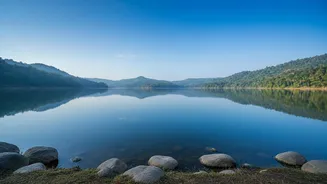
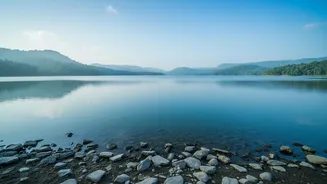
Scientists from the Birbal Sahni Institute of Palaeosciences (BSIP) in Lucknow took a closer look at the mud at the bottom of Raja Rani Lake in Korba, Chhattisgarh. By extracting a sediment core—a long tube of layered mud—they were able to look back in time
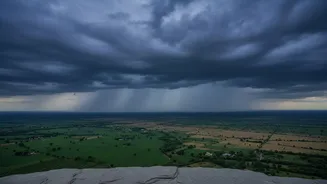
nearly 2,500 years. What they found was fascinating. Buried in these layers were microscopic pollen grains from ancient plants. The analysis revealed that between roughly 1,000 and 300 years ago, this part of central India was much wetter and supported dense tropical forests. This points to an Indian Summer Monsoon that was significantly stronger than we experience today.
A Library at the Bottom of a Lake
So how can mud tell us about ancient weather? Think of a lakebed as a natural library. Year after year, fine layers of sediment—made of dust, soil, and organic matter from the surrounding environment—settle at the bottom. Just like rings on a tree, these layers create a timeline. The deepest layers are the oldest, and the top layers are the most recent. By carefully extracting a core, scientists can read this timeline, page by page. Everything that happens in and around the lake, from volcanic ash falls to changes in local vegetation, leaves a trace in these sediment layers.
Pollen: Nature's Tiny Time Capsules
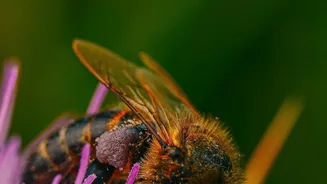
The real key to this detective work is pollen. Plants release enormous amounts of pollen, and each grain has a unique shape specific to its species. These grains are incredibly tough and can be preserved for thousands, or even millions, of years when they settle in oxygen-poor environments like the bottom of a lake. The science of studying this ancient pollen is called palynology. By identifying and counting the types of pollen in each sediment layer, scientists can reconstruct what kind of plants were growing in the area at a specific point in time.
From Plants to Past Climates
Knowing what plants grew where is a powerful clue to understanding past climates. Different plants are adapted to different conditions. For example, the discovery of abundant grass and herb pollen might suggest a drier, more open savannah-like environment. Conversely, a high concentration of pollen from forest-loving tree species indicates a warmer and more humid climate with plenty of rainfall. In the Chhattisgarh study, the shift towards pollen from tropical deciduous forest species was a clear signal that the monsoon had intensified during that period.
Why This Matters for India's Future
Understanding that the monsoon has been much stronger in the past is more than just a historical curiosity. This type of research provides crucial data for climate scientists building models to predict future weather patterns. India's economy and the livelihoods of hundreds of millions are deeply tied to the performance of the annual monsoon. By learning about its natural long-term cycles of intensity and weakness, we can better anticipate future shifts. This knowledge helps in planning for everything from water management and agricultural strategies to protecting our nation's rich biodiversity from the impacts of climate change. In essence, by digging into the mud of the past, we are finding the tools to better prepare for the future.