








The Race Against Spoilage
Kashmir produces over 70% of India's apples, with the horticulture sector forming the backbone of the regional economy, supporting approximately 3.3 million people. However, this vital industry has long been plagued by a critical vulnerability: post-harvest
losses. Traditionally, once harvested, growers faced immense pressure to sell their produce immediately. A lack of adequate storage meant that a market glut during the peak season would cause prices to crash. Furthermore, logistical challenges, like frequent closures of the Jammu-Srinagar national highway, could leave trucks stranded for weeks, leading to devastating spoilage. Studies have shown that between 10 to 25 percent of fruit can be lost due to inadequate storage facilities, forcing farmers to dispose of their produce at a fraction of its potential value. This distress selling not only impacts individual farmers but creates price volatility that ripples through the entire supply chain.
A Breath of Fresh Air: Controlled Atmosphere Storage
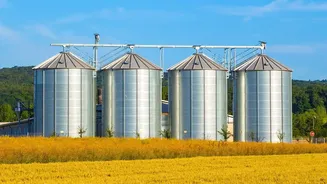
The game-changer in this battle against the clock is Controlled Atmosphere (CA) storage. Unlike conventional cold storage that only manages temperature, CA technology precisely regulates the composition of the air inside sealed chambers. By reducing oxygen levels from about 21% to as low as 1.5% and managing carbon dioxide, humidity, and temperature, CA storage effectively puts the apples to sleep. This process dramatically slows down ripening and decay, extending the shelf life of the fruit from a few months to nearly a year without significant loss of quality, firmness, or flavour. This technological leap allows the famed Kashmiri apple to be available in markets year-round, transforming it from a seasonal commodity into a stable, high-value product. The government has actively encouraged the expansion of these facilities, resulting in a significant increase in storage capacity over the past decade.
The Power of Collective Action
While CA technology offers a powerful solution, its high initial cost puts it beyond the reach of most small and marginal farmers. This is where cooperatives have become instrumental. By pooling their resources and organising collectively, farmers can gain access to these multi-crore facilities. The cooperative movement in Jammu and Kashmir has historical roots in protecting farmers from financial exploitation and has evolved to address modern challenges. These organisations enable growers to bypass middlemen, hold their produce, and sell strategically when market prices are more favourable. This collective bargaining power fundamentally shifts the economic dynamic, allowing the primary producers to retain a much larger share of the profits. One grower noted that CA storage allowed him to sell a box of apples for Rs 1,200–1,500, compared to just Rs 550–650 during the harvest glut.
More Than Just Storage
The adoption of CA storage is creating a cascade of positive effects. It empowers farmers with market intelligence and the agency to make strategic sales decisions, breaking the cycle of distress selling. The stable, year-round supply of high-quality apples benefits consumers and helps stabilise prices nationally. Furthermore, the infrastructure built around these storage units, including grading and packing lines, is professionalising the industry and creating skilled jobs in rural areas. The Jammu and Kashmir Horticultural Produce, Marketing and Processing Corporation (JKHPMC) plays a key role in this ecosystem, working to strengthen the entire value chain, from post-harvest management to market linkages, ensuring that technological upgrades translate into sustainable economic growth for the region.
Challenges on the Horizon
Despite the progress, challenges remain. The current CA storage capacity in Kashmir, though growing, is still estimated to be only about half of what is required to handle all A-grade apples. This leaves many small growers unable to secure a spot, especially during crises like highway blockades when demand for storage surges. Moreover, the technology itself is not a silver bullet. The quality of the fruit entering the store is paramount; CA facilities can preserve quality but cannot improve it. Issues like premature harvesting due to weather panics can lead to poor outcomes and financial losses even with advanced storage. Ensuring consistent power supply and developing a larger skilled workforce are other hurdles that the industry must overcome to maximise the benefits of this technology.