


The humble green pea is a kitchen staple, but a common question persists: which is better, fresh or frozen? Understanding the difference can transform your cooking, ensuring you get the most flavour and nutrition from this versatile vegetable.
The Great Pea Debate: Fresh vs. Frozen
The choice
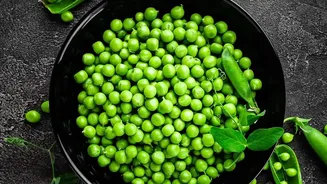
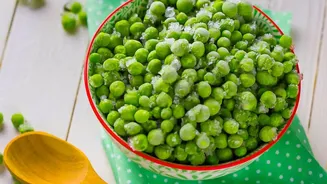
between fresh and frozen peas often comes down to timing. Fresh peas are a seasonal delight, typically available in late spring and early summer. When just picked, they have a crisp texture and a sweet burst of flavour that is hard to beat. However, this perfection is fleeting. The moment peas are picked, their sugars begin converting into starch, which can make them mealy and less sweet, sometimes within 24 hours. This is why fresh peas from a local farmer's market are often superior to those that have travelled a long distance to a supermarket. Frozen peas, on the other hand, are harvested at their absolute peak of ripeness and flash-frozen within hours. This process instantly locks in their sweetness and texture, halting the sugar-to-starch conversion. The result is a product that is remarkably consistent in quality, taste, and available all year round.
Nutritional Knockout: Which Is Healthier?
Contrary to what many believe, frozen peas often have a nutritional edge over fresh ones that aren't consumed immediately after harvesting. The flash-freezing process is highly effective at preserving vitamins and minerals. Fresh peas can lose a significant portion of their nutrients, like vitamin C, during transportation and storage. Green peas are a fantastic source of plant-based protein, fibre, and essential nutrients like Vitamin K, Vitamin C, and folate. A single cup of cooked peas contains about 8 grams of protein and nearly 9 grams of fibre, which aids in digestion and helps stabilize blood sugar levels. Because frozen peas retain these nutrients so effectively, they are considered by many dietitians to be an excellent, and sometimes superior, choice for everyday cooking.
When to Use Fresh Peas
The delicate, crisp texture of truly fresh peas makes them ideal for dishes where they can be the star. Use them in applications that require minimal cooking, which preserves their signature 'pop'. Think of tossing them raw into salads, like a refreshing pea salad with mint and feta, or lightly steaming them for just a minute or two as a vibrant side dish. They are also wonderful in quick sautés or added at the very end to pasta dishes. The key is to avoid overcooking, which can turn them mushy and dull their flavour. Because of their short shelf life, it's best to use fresh peas within a day or two of purchasing them for the best experience.
The Case for Frozen Peas
Frozen peas are the ultimate kitchen workhorse due to their convenience, long shelf-life, and versatility. Since they are already blanched before freezing, they cook very quickly. They are perfect for adding to dishes that involve more cooking time, such as soups, stews, curries, and casseroles. You can toss them directly from the freezer into a simmering pot of matar paneer or a hearty chicken pot pie during the last few minutes of cooking. They are also excellent for creating creamy dishes like smashed peas, pea hummus, or puréed pea soup, where their texture blends beautifully. For recipes like fried rice or skillet dishes, they can be added directly to the pan.
Inspiring Green Pea Recipe Ideas
Both fresh and frozen peas can shine in a variety of preparations. For a simple and elegant side, try sautéing peas with bacon or pancetta. A classic pea and mint soup is both refreshing and comforting and can be made with either fresh or frozen peas. For a vibrant twist on a classic, blend peas into a pesto with parmesan, garlic, and pine nuts to toss with pasta. They also add a sweet burst to grain salads, pairing well with farro or quinoa, lemon, and fresh herbs. In Indian cuisine, peas are a staple in dishes like Aloo Matar (potatoes and peas) or Keema Matar (minced meat with peas), where they absorb the rich flavours of the spices.