



The Power of Neem Oil
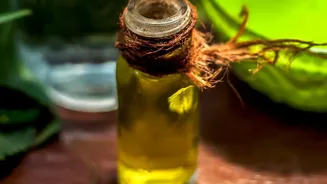
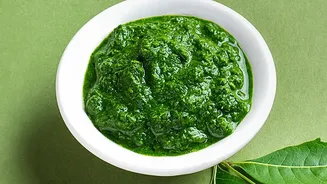
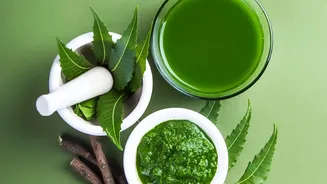
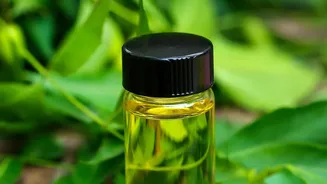
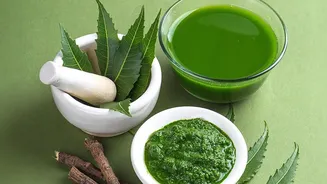
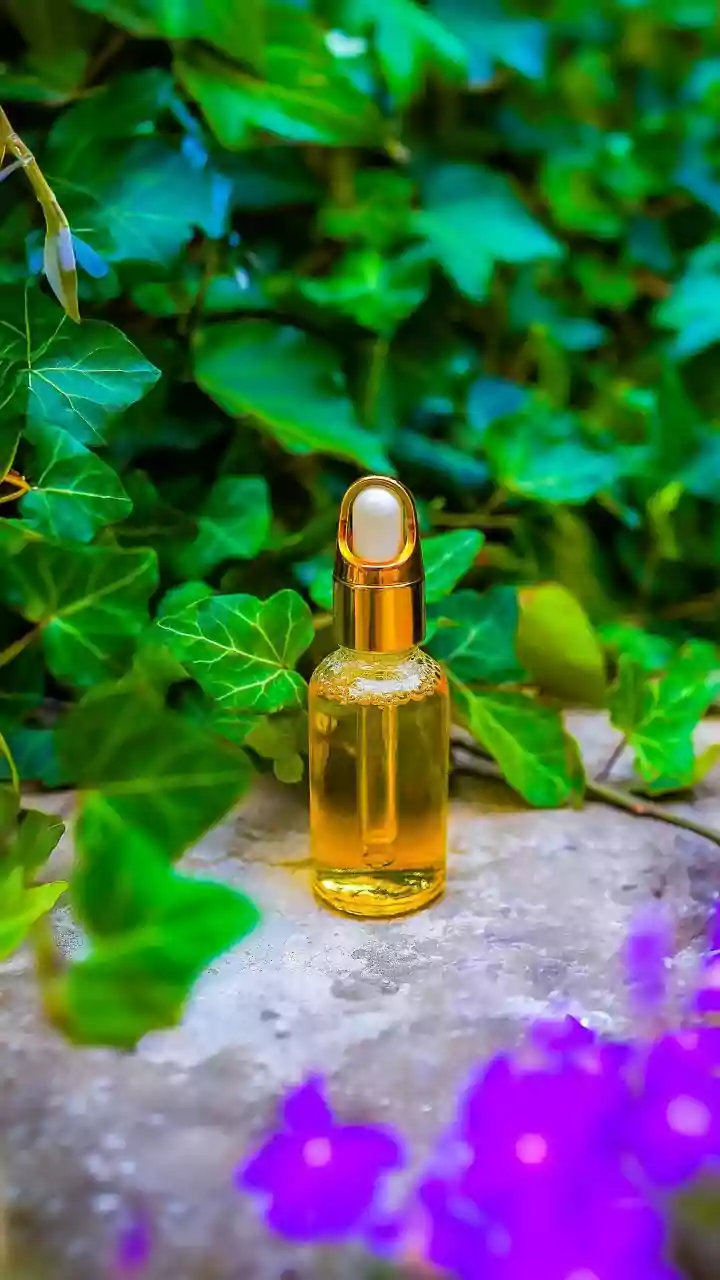
Neem oil is a natural pesticide extracted from the seeds of the neem tree (Azadirachta indica), which is native to the Indian subcontinent. For centuries, it has been a cornerstone of organic agriculture. Its power lies in its active compound, azadirachtin,
which is a formidable force against hundreds of common plant pests. Unlike synthetic pesticides that can harm beneficial insects, neem oil primarily affects pests that chew on plant leaves. It works in multiple ways: as a repellent, by disrupting the insects' hormone systems to inhibit growth and reproduction, and by smothering them upon contact. It is effective against all life stages of many insects, including eggs, larvae, and adults. Beyond being an insecticide, it also functions as a fungicide, preventing the spread of issues like powdery mildew and black spot.
How to Make and Use Neem Oil Spray
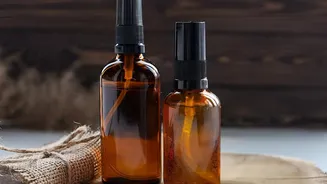
Creating your own neem oil spray is simple. You will need cold-pressed neem oil, a mild liquid soap (which acts as an emulsifier to help the oil mix with water), and a spray bottle. For a standard solution, mix one to two teaspoons of neem oil and a half teaspoon of mild dish soap into one litre of warm water. Shake the mixture vigorously before and during application to keep it well combined. The best time to spray your plants is in the early morning or late evening, as applying it in direct sunlight can cause the leaves to burn. Ensure you thoroughly coat all surfaces of the plant, especially the undersides of leaves where pests often hide. For an active infestation, you may need to apply the spray every five to seven days. As a preventative measure, a monthly application is often sufficient.
The Simplicity of Soapy Water
An even simpler, yet surprisingly effective, tool in the organic gardener's arsenal is a basic soapy water solution. This method is particularly effective against small, soft-bodied insects like aphids, mealybugs, and spider mites. The science is straightforward: the soap works to break down the protective waxy outer layer of the insect's body. This leads to dehydration and, ultimately, death. One of the biggest advantages of soapy water is its selectivity. It has little to no effect on larger, hard-bodied insects, which means it is generally safe for beneficial creatures like ladybugs and most pollinators, as long as they are not directly sprayed. It's a targeted solution for the most common culprits of houseplant woes, making it an excellent first line of defense.
Creating and Using Your Soapy Water Spray
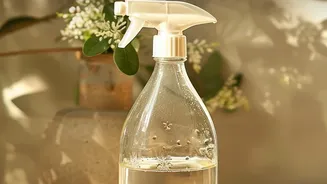
To make an effective insecticidal soap spray, it's crucial to use the right kind of soap. Avoid detergents, especially those with degreasers or bleach, as they can be harmful to plants. A simple, pure liquid soap like castile soap is a great choice. A common recipe is to mix one to two teaspoons of soap per pint of water, which creates a roughly 1-2% solution. As with neem oil, pour the mixture into a spray bottle and apply it thoroughly, focusing on infested areas. Because this is a contact insecticide, it only works when it directly touches the pests. There is no residual effect once the spray has dried. Some gardeners recommend rinsing the plant with plain water a few hours after application to wash away any soap residue.
Best Practices for Hassle-Free Results
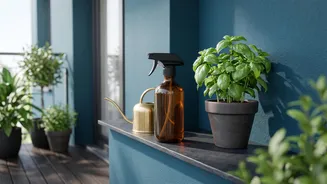
While both neem oil and soapy water are natural, they are not completely without risk to plants. To ensure your plant care remains 'hassle-free', always test any new spray on a small, single leaf before treating the entire plant. Wait 24 hours to check for any signs of leaf scorch or damage. Avoid spraying plants that are already stressed from underwatering or extreme heat. Consistency is also key. These organic methods work by disrupting pest life cycles, which takes time. They are not the instant-kill solutions that harsh chemical pesticides provide. Regular application during an infestation is necessary to get it under control. By following these simple precautions, you can confidently use these powerful, organic tools to keep your home plants healthy and thriving.