





The Singaporean Gold Standard
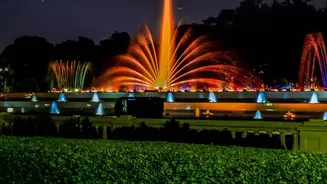
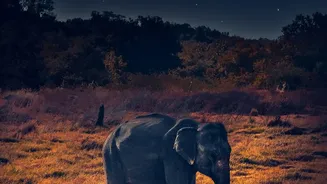
Opened in 1994, the Singapore Night Safari revolutionised the zoo experience. Instead of seeing sleepy animals in daytime enclosures, visitors could witness the after-dark world of nocturnal creatures. The park pioneered an 'open concept', using natural
barriers like moats and cattle grids instead of cages, and a special lighting system that mimics moonlight, allowing animals to behave naturally while remaining visible. Visitors explore different geographical zones via a guided tram and walking trails, creating an immersive journey through a living, breathing forest after dark. It's a formula that has made it a global benchmark for wildlife tourism.
Lucknow's Ambitious Vision in Kukrail
The Uttar Pradesh government's project is unfolding in the Kukrail Reserve Forest, a 2,027-hectare ecologically sensitive area on Lucknow's outskirts. After receiving final clearance from the Supreme Court in July 2026, the project is set to become India's first urban night safari. The plan involves developing around 855 acres for a night safari and a day zoo, with an estimated cost of over ₹1,500 crore. The core idea is to create a major eco-tourism hub that combines wildlife viewing with conservation and education.
Borrowing the Blueprint
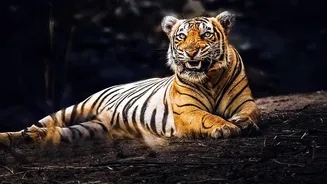
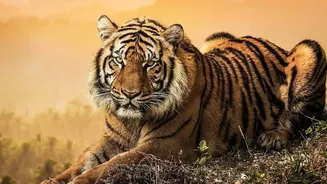
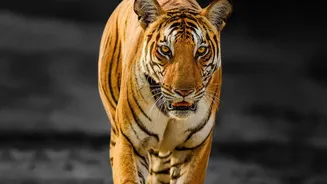
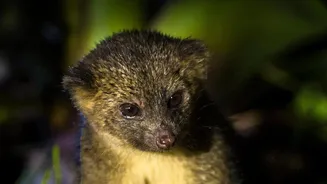
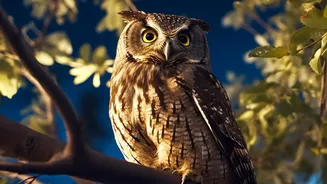
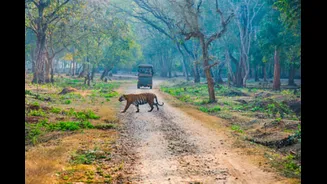
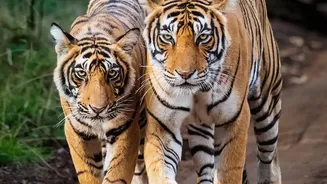
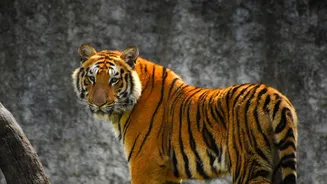
The inspiration from Singapore is not just a talking point; it’s embedded in the project's design. Like its predecessor, the Kukrail Night Safari will focus on nocturnal species, which are most active after sunset. Key features being adopted include the use of battery-operated trams for guided tours and specially designed 'moonlight' illumination to provide visibility without disturbing the animals. The enclosures will be naturalistic, designed as open-air habitats separated by moats and other subtle barriers rather than traditional cages, aiming for an immersive visitor experience. Plans include 42 enclosures for the night safari housing 54 species like the Asiatic lion, Bengal tiger, leopard, and flying squirrel.
A Project with Local Flavour
While the concept is borrowed, the context is uniquely Indian. The safari is being built within a natural reserve forest, which already houses India's first gharial conservation centre, established in 1975. The project aims to integrate with and enhance this legacy of conservation. One significant change from initial plans is that the existing 104-year-old Lucknow Zoo will not be relocated to Kukrail, following a directive from the Central Empowered Committee. Instead, Kukrail will be developed as a distinct night safari and biological park, preserving the heritage of both locations.
Challenges and The Path Forward
The project faced a four-year-long journey through regulatory and judicial clearances due to the ecological sensitivity of the Kukrail forest. Concerns from environmentalists led to significant modifications. The initial plan for an extensive 'adventure zone' with features like an augmented-reality theatre was scrapped, and a proposal to build a four-lane road was reduced to a two-lane route to minimise environmental impact. With the Supreme Court's conditional approval, construction on the first phase is expected to take about two years. An oversight committee will monitor the project to ensure strict compliance with environmental safeguards, balancing development with conservation.