







An Unmatched Spiritual Gathering
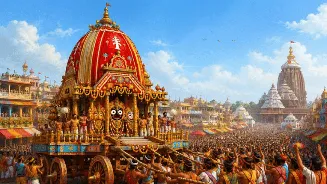
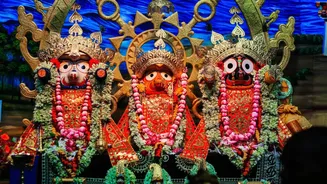
The Rath Yatra, or Chariot Festival, is one of India's most significant religious events, attracting an estimated 1.5 to 2 million people to the coastal city of Puri. The festival, which begins on July 16, 2026, sees Lord Jagannath, his brother Balabhadra,
and sister Subhadra journey from the Jagannath Temple to the Gundicha Temple on three colossal, newly built chariots. This nine-day spectacle is a massive undertaking, and the Odisha government and local administration have been preparing for months to manage the incredible scale of the event, with chariot construction now in its final stages.
Getting There: A Guide to Transport
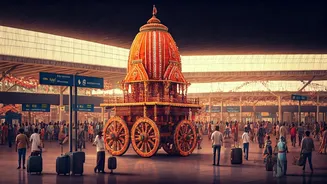
Reaching Puri during this peak time requires careful planning. Indian Railways is running approximately 370 special trains to handle the influx of pilgrims, supplementing the more than 1,200 regular services. These services will connect Puri with major cities, and authorities are setting up additional ticket counters and holding areas at the station to manage the crowds. For road travelers, the Odisha State Road Transport Corporation (OSRTC) is deploying hundreds of extra buses, particularly from Bhubaneswar and Cuttack. However, be prepared for heavy traffic and diversions. All long-distance buses will terminate at the Malatipatpur bus terminal, from where a park-and-ride system will shuttle pilgrims into the city center.
Accommodation: The Great Hotel Hunt
If you haven't booked your stay yet, finding a room will be a challenge. Most hotels, especially those along the Grand Road (Bada Danda) and near the temple, are sold out months in advance. Prices for any remaining rooms have surged. Experts recommend booking accommodation 3-6 months prior to the festival to secure a spot at a reasonable rate. For those still looking, consider hotels in the sea beach area for a slightly more peaceful stay, or look into dharamshalas and other budget accommodations designed for pilgrims. Many find it more practical to stay in the nearby city of Bhubaneswar and make a day trip to Puri, leveraging the special transport services.
Navigating the City: On-the-Ground Logistics
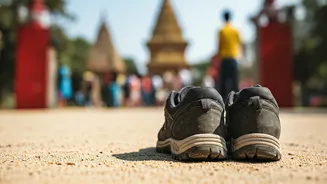
Once in Puri, getting around requires patience and a willingness to walk. During the main festival days, vehicular movement is heavily restricted, especially on the Grand Road to ensure the safe passage of the chariots. Taxis and private cars will not be able to drop you near the temple; instead, they will be stopped at designated parking zones. The city has established 23 temporary parking facilities to handle the volume. From these points, you will need to walk or use local shuttles. Police will deploy around 220 platoons of personnel, and an extensive network of 475 CCTV cameras will monitor the city for security and crowd management.
Health, Safety, and Essential Tips
Staying safe and healthy amidst such large crowds is paramount. The government has made extensive health arrangements, deploying 230 doctors, establishing 30 first-aid centers along the Grand Road, and adding 200 extra beds to the local hospital. Mobile medical teams will also be on standby. To ensure public convenience, 1,600 temporary toilets are being installed throughout the city. With the humid weather, it's crucial to stay hydrated. Authorities are setting up numerous "Drink From Tap" water points and deploying mobile water tankers. It's also wise to carry your own water, essential medicines, and identification at all times.