






Jamun (Indian Blackberry)
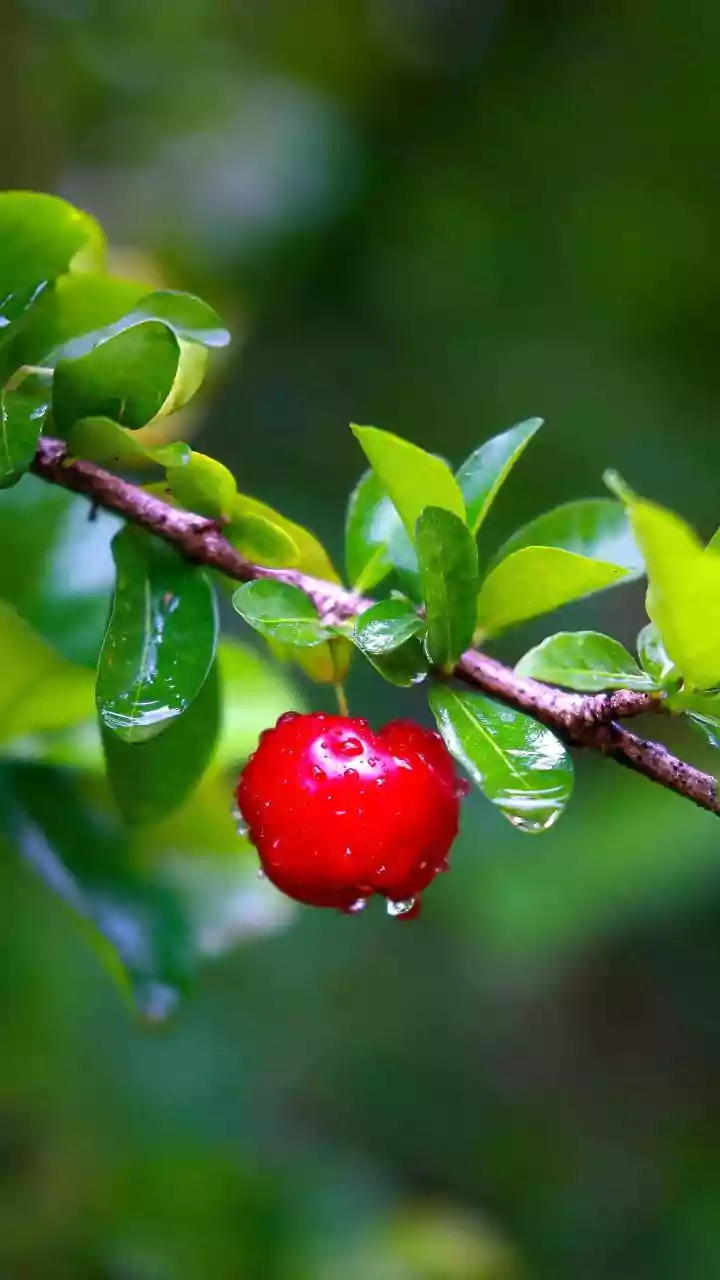
The deep purple hue of jamun is a quintessential monsoon sight. This fruit is not just delicious but also a powerhouse of nutrients. It's remarkably low in calories, making it a perfect guilt-free snack. For individuals managing their blood sugar, jamun is particularly
beneficial. Studies suggest its compounds may help in converting starch into energy and keeping blood sugar levels in check. Furthermore, it's packed with Vitamin C and iron, which are crucial for boosting immunity and maintaining healthy haemoglobin levels, helping you fight off the common colds and fatigue that can accompany the rainy season.
Karela (Bitter Gourd)
Often pushed to the side of the plate due to its distinct bitterness, karela is one of the healthiest vegetables you can eat during the monsoon. This vegetable is loaded with powerful antioxidants that help combat cellular damage and reduce the risk of infections. It is renowned for its anti-diabetic properties, containing a compound that mimics insulin to help lower blood glucose levels. Its bitter nature also stimulates the liver and aids digestion, which can often be sluggish during the humid months. A simple stir-fry with onions and spices or a glass of fresh juice can be a great way to incorporate this superfood into your diet.
Bhutta (Corn on the Cob)
The smell of roasted bhutta smeared with salt and lemon is synonymous with monsoon evenings in India. Beyond being a comforting street food, corn is a nutritious whole grain. It's an excellent source of dietary fibre, which is essential for maintaining a healthy digestive system and preventing constipation, a common issue during this season. Corn also contains valuable B vitamins, including folate, and minerals like magnesium and phosphorus. The antioxidants lutein and zeaxanthin found in corn are beneficial for eye health, protecting them from oxidative damage.
Lauki (Bottle Gourd)
Light, hydrating, and incredibly easy to digest, lauki is a monsoon staple for a reason. With a water content of about 92%, it helps keep you hydrated and replenishes water loss in the humid weather. It’s extremely low in calories and fat, making it an ideal choice for weight management. Rich in both soluble and insoluble fibre, bottle gourd supports a healthy gut and ensures smooth bowel movements. It also has a cooling effect on the body. Whether you add it to a simple sabzi, a lentil-based dalma, or even make juice, lauki is a versatile vegetable that supports overall wellness.
Nashpati (Pear)
The crisp and juicy Indian pear, or nashpati, is another monsoon fruit that deserves a spot in your fruit basket. Pears are an excellent source of dietary fibre, particularly pectin, which is a prebiotic that nourishes healthy gut bacteria and promotes digestive regularity. A strong gut is your first line of defence against infections, which are rampant during the monsoon. Pears are also packed with Vitamin C, Vitamin K, and copper, all of which play a role in supporting a robust immune system. They are naturally sweet yet have a low glycemic index, making them a healthy way to satisfy sugar cravings.
Ginger and Turmeric
While available year-round, these potent rhizomes are especially crucial during the monsoon. Ginger is a well-known remedy for nausea, indigestion, and bloating. Its anti-inflammatory properties can also help soothe sore throats and reduce bodily inflammation. Turmeric, with its active compound curcumin, is a powerful antiseptic, antiviral, and anti-inflammatory agent. A warm glass of turmeric milk (haldi doodh) or a cup of ginger-turmeric tea can be incredibly comforting and protective, helping your body ward off the seasonal flu and other infections that thrive in damp conditions.