







What is Meal-Time Movement?
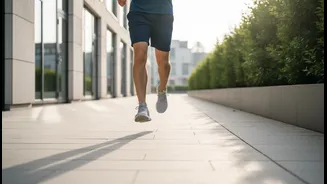
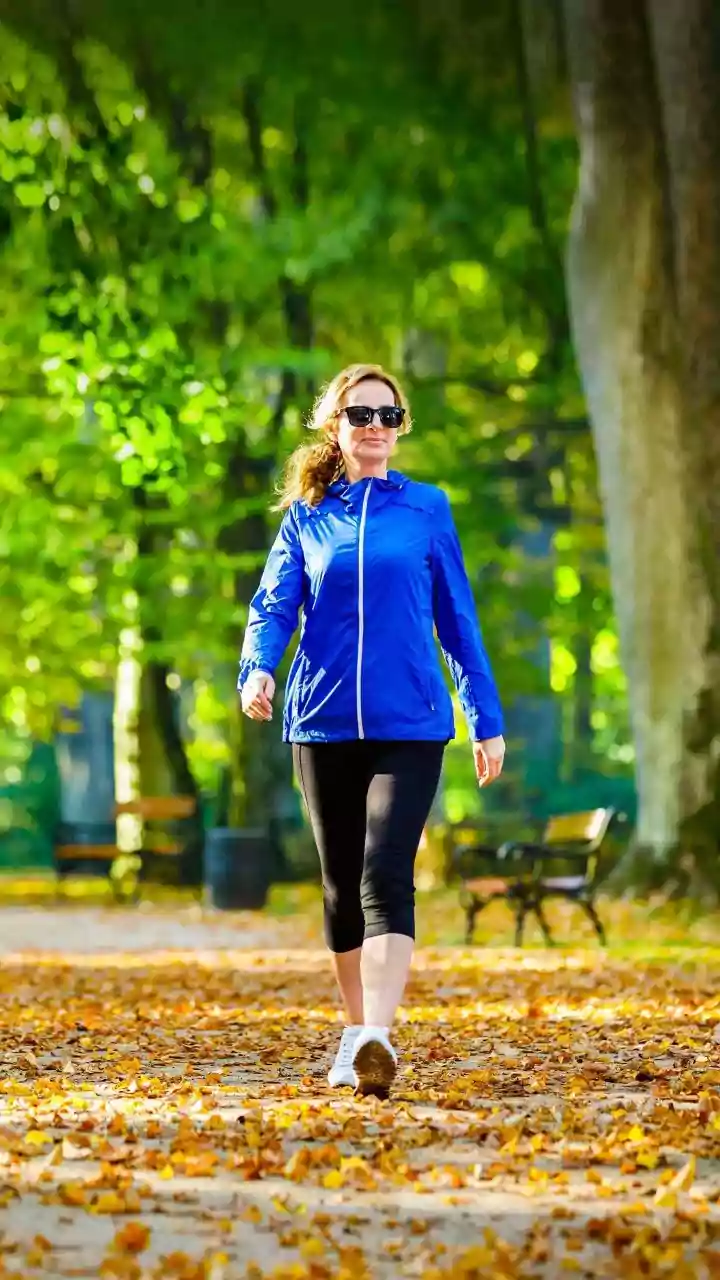
At its core, meal-time movement is the simple practice of engaging in light physical activity shortly after eating. This isn't about hitting the gym for an intense workout. Instead, it refers to gentle activities like a brisk 10 to 15-minute walk around
your neighbourhood or office complex. The idea has gained traction because it’s accessible to almost everyone, requires no special equipment, and easily fits into a daily routine. The concept isn't new—think of the traditional post-dinner stroll—but it's finding a new audience looking for simple ways to combat a sedentary lifestyle. Even just two to five minutes of light walking after a meal can make a noticeable difference.
The Science of a Post-Meal Walk
The primary benefit of this habit lies in its ability to help manage blood sugar levels. After you eat, the carbohydrates in your food are converted into glucose, causing your blood sugar to rise. When you engage in light exercise like walking, your muscles use this glucose for energy, pulling it from the bloodstream. This action helps prevent sharp spikes and crashes in blood sugar, which are often responsible for post-meal fatigue and cravings. Studies have shown that even a short walk after a meal can significantly lower the glucose spike, which is especially beneficial for people with insulin resistance or those looking to improve their metabolic health.
Beyond Blood Sugar: A Boost for Digestion and Mood
The advantages don't stop at glucose control. Gentle movement after eating can also significantly aid digestion. Walking helps stimulate the stomach and intestines, encouraging food to move through your system more rapidly. This can lead to a reduction in uncomfortable symptoms like bloating, gas, and indigestion. One study found that a 10 to 15-minute walk after meals was more effective than some medications at reducing common stomach issues. Furthermore, any form of walking is a known mood booster. It helps reduce stress hormones and release endorphins, which can improve your mental well-being and provide a much-needed moment of clarity during a busy day.
How to Start Your Own Habit
Integrating meal-time movement into your life is straightforward. The key is to start small and be consistent. Begin with a five or ten-minute walk after one meal of the day, perhaps your lunch. You can set a reminder on your phone or simply make it a non-negotiable part of your post-meal routine. Find a walking buddy at work or home to keep each other accountable. If you work from home or the weather is bad, a few laps around your living room, climbing the stairs, or even doing simple chores like tidying up the kitchen can also be effective. The goal is to simply move your body instead of immediately sitting down after eating. Remember to keep the pace comfortable; a brisk walk is more beneficial than a slow stroll, but you shouldn't be exercising so hard that it causes discomfort.