


What is the Proposal?
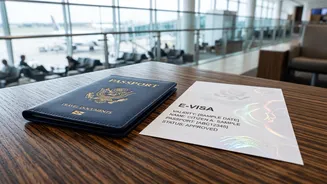
At the 23rd India-ASEAN Summit in Manila on November 17, 2026, Prime Minister Narendra Modi announced a plan to offer free electronic tourist visas to citizens of the Association of Southeast Asian Nations (ASEAN). It's important to understand that this
is a visa fee waiver, not visa-free travel. This means that while the government fee for the e-visa would be eliminated, travellers would still need to complete the online application process and receive approval before their trip. The proposal was one of nine initiatives unveiled at the summit aimed at deepening India's strategic partnership with the region. As of now, an official start date has not been announced, and the government has yet to release detailed eligibility requirements.
Who Stands to Benefit?
The proposal aims to harmonize India's visa policy for the entire ASEAN bloc, which includes Brunei, Cambodia, Indonesia, Laos, Malaysia, Myanmar, the Philippines, Singapore, Thailand, Timor-Leste, and Vietnam. Currently, the policy is a patchwork. Citizens of Indonesia and Myanmar already enjoy free e-visas for various durations. Similarly, travellers from Malaysia, the Philippines, and Thailand receive a free 30-day e-visa but must pay for longer stays, with fees for a five-year visa reaching up to $200. The biggest financial benefit will be for tourists from the six countries that currently pay for all e-visa types: Brunei, Cambodia, Laos, Singapore, Timor-Leste, and Vietnam. For them, the waiver would eliminate fees that range from $10 to $25 for a 30-day visa, making a trip to India more accessible.
More Than Just a Fee Waiver
This visa initiative is a key component of India’s 'Act East' policy, a diplomatic effort started in 2014 to strengthen economic and strategic relations with Southeast Asia. By simplifying travel, India aims to boost people-to-people connections, which are the bedrock of soft power diplomacy. The move is seen as a way to build on the momentum of the 'ASEAN-India Year of Tourism 2025' and foster deeper cultural appreciation and economic collaboration. Tourism is a powerful engine for growth, and this policy is designed to make India a more attractive destination for millions of potential visitors from one of the world's fastest-growing economic blocs.
The Economic Ripple Effect
Boosting tourism is about more than just foreign relations; it has a direct impact on the domestic economy. In 2025, India welcomed over 800,000 visitors from ASEAN countries, and this new policy is expected to significantly increase that number. More tourists translate to increased spending in hotels, restaurants, transportation, and local markets, providing a vital lift to small businesses and creating jobs. The focus is on promoting sustainable tourism that benefits local communities, a principle both India and ASEAN have committed to. By attracting visitors to cultural and spiritual sites like the Buddhist circuits and Ramayana trails, India can showcase its shared heritage with the region while generating valuable foreign exchange.
What Happens Next?
While the announcement has generated excitement, the initiative remains a proposal for now. The Indian government has not yet provided a timeline for implementation, nor has it clarified the specific details, such as which visa durations will be covered for all countries. Travellers from ASEAN nations planning trips to India in the near future should continue to check the official Indian visa portal for the current rules and fees. The travel and tourism industry, both in India and across Southeast Asia, will be watching closely for the official rollout of this promising initiative, which has the potential to reshape tourism flows across the Indo-Pacific.