
What Exactly Is Earthy Design?
At its core, earthy interior design is a style that brings the outdoors in. It emphasises natural materials, organic shapes, and a colour palette drawn directly from nature—think of rich soil, dense forests, and sandy coastlines. It's less of a strict
trend and more of a philosophy focused on creating spaces that feel grounded, warm, and authentic. This approach moves away from the cold, ultra-minimalist aesthetic that was once popular, instead favouring rooms that feel lived-in, textured, and deeply connected to the natural world. It's about crafting an environment that is not just visually pleasing but also calming for the mind and soul.
Why Is It Gaining Popularity Now?
The rise of earthy design is closely linked to a collective desire for wellness and a slower, more intentional way of living. In today's fast-paced, screen-heavy world, people are seeking refuge and tranquility within their own four walls. Earthy design, with its focus on natural elements, directly answers this need. This style often overlaps with biophilic design—the practice of connecting people with nature in built environments—which studies have shown can reduce stress, improve focus, and boost overall well-being. Furthermore, there's a growing appreciation for sustainability. Homeowners are increasingly choosing eco-friendly and locally sourced materials like reclaimed wood, bamboo, and jute, which are central to the earthy aesthetic. This conscious choice feels both responsible and culturally resonant, especially in India, where traditional architecture has long embraced natural materials.
The Soothing Colour Palette
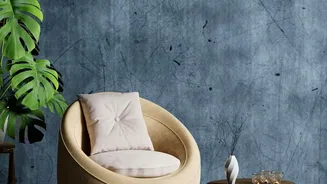
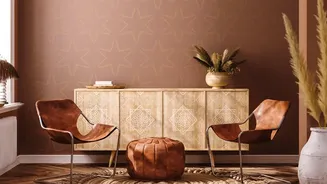
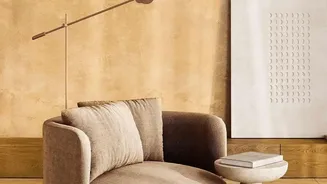
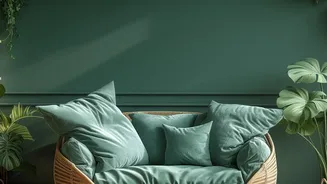
The colours of an earthy home are gentle, muted, and pulled from the landscape. The foundation is typically built on warm neutrals like beige, cream, sand, and soft greys. These are layered with richer, more grounded tones. Terracotta, the colour of baked earth, is a cornerstone of this style, bringing instant warmth and a rustic feel. Muted greens, from soft sage to deep olive, evoke the feeling of foliage and are used to create a sense of calm. Other popular shades include muted ochre, charcoal, and deep browns that mimic wood and stone. The goal is to create a harmonious and cohesive atmosphere that feels both comforting and timeless.
Embracing Natural Materials
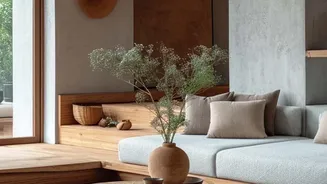
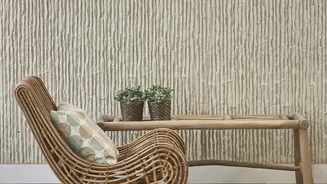
Texture is the hero in earthy design. The style celebrates the raw, tactile quality of natural materials. Wood is fundamental, used not just for furniture but also for flooring and panelling; varieties like teak, sheesham, and mango wood add immense warmth and character. Natural fibres such as jute, rattan, cane, and bamboo are used extensively for furniture, lighting fixtures, and rugs, adding a light, breezy feel. For textiles, think cotton, linen, and wool for upholstery, curtains, and throws. Stone, whether it's marble, kota stone, or granite, provides a cool, solid counterpoint to the warmth of wood and fabrics. These materials are chosen for their authenticity and their ability to age gracefully.
The Power of Plants and Light
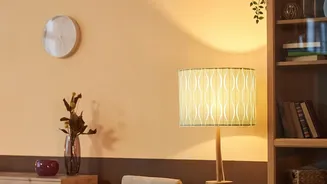
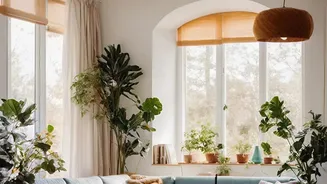
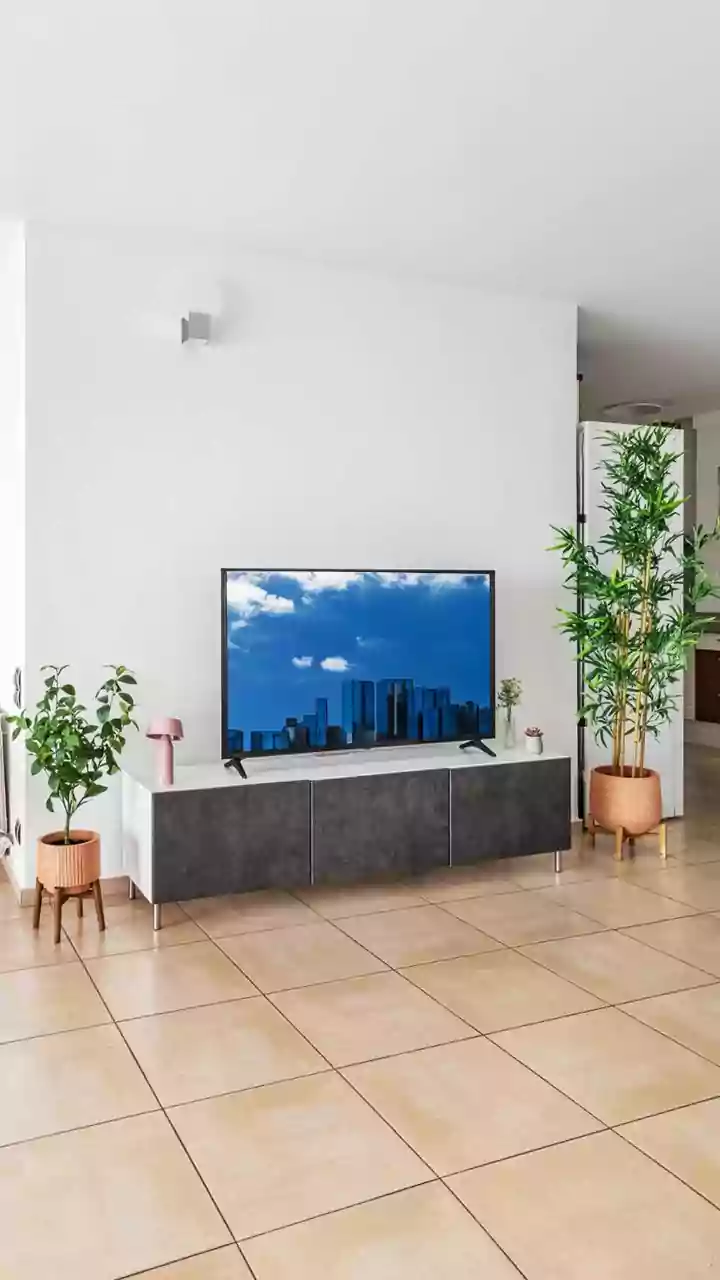
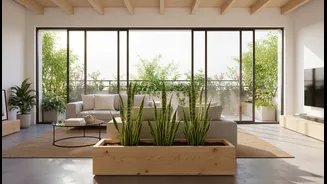
No earthy interior is complete without greenery. Plants are treated as architectural elements, not just decorative accents. A large fiddle-leaf fig can define a corner, while clusters of smaller plants can bring a shelf to life. Besides their beauty, indoor plants improve air quality and connect us to the living world. Equally important is natural light. Earthy homes maximise sunlight through large windows, sheer curtains, and strategically placed mirrors. When artificial light is needed, the preference is for warm, layered lighting that mimics the soft glow of daylight, often through fixtures made from natural materials like bamboo or paper.
Celebrating Imperfection
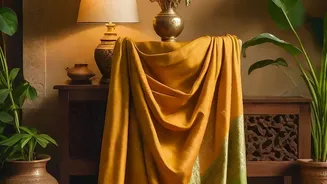
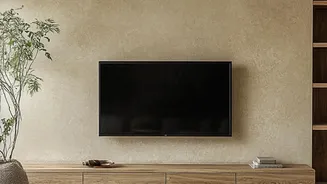
Unlike sleek modern styles, earthy design finds beauty in imperfection. It embraces the wabi-sabi philosophy—an appreciation for the transient and imperfect. This translates into a love for handcrafted items, where slight irregularities are seen as a sign of authenticity and soul. Think of handmade pottery, handwoven textiles, or furniture made from reclaimed wood where the grain and history are visible. Exposed brick walls, lime plaster finishes, and unpolished stone floors also contribute to this aesthetic, adding texture and a sense of history to a space. It’s about creating a home that feels genuine, personal, and perfectly imperfect.