
The Sacred Panchamrit
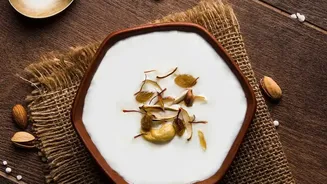
No Janmashtami puja is complete without Panchamrit, a divine concoction that translates to "five nectars". This sacred mixture combines five core ingredients: raw cow's milk, curd (yoghurt), ghee, honey, and sugar. Each element holds deep symbolic meaning,
representing purity, strength, victory, sweet speech, and happiness, respectively. Often used for the ceremonial bathing of the deity's idol (abhishekam), it is later distributed as 'charanamrit', a blessed prasad that is believed to purify the body and soul. Its preparation is simple, yet its significance in rituals is profound, making it the quintessential offering to begin the festivities.
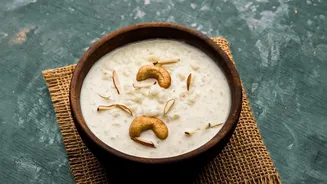
Creamy Makhana Kheer
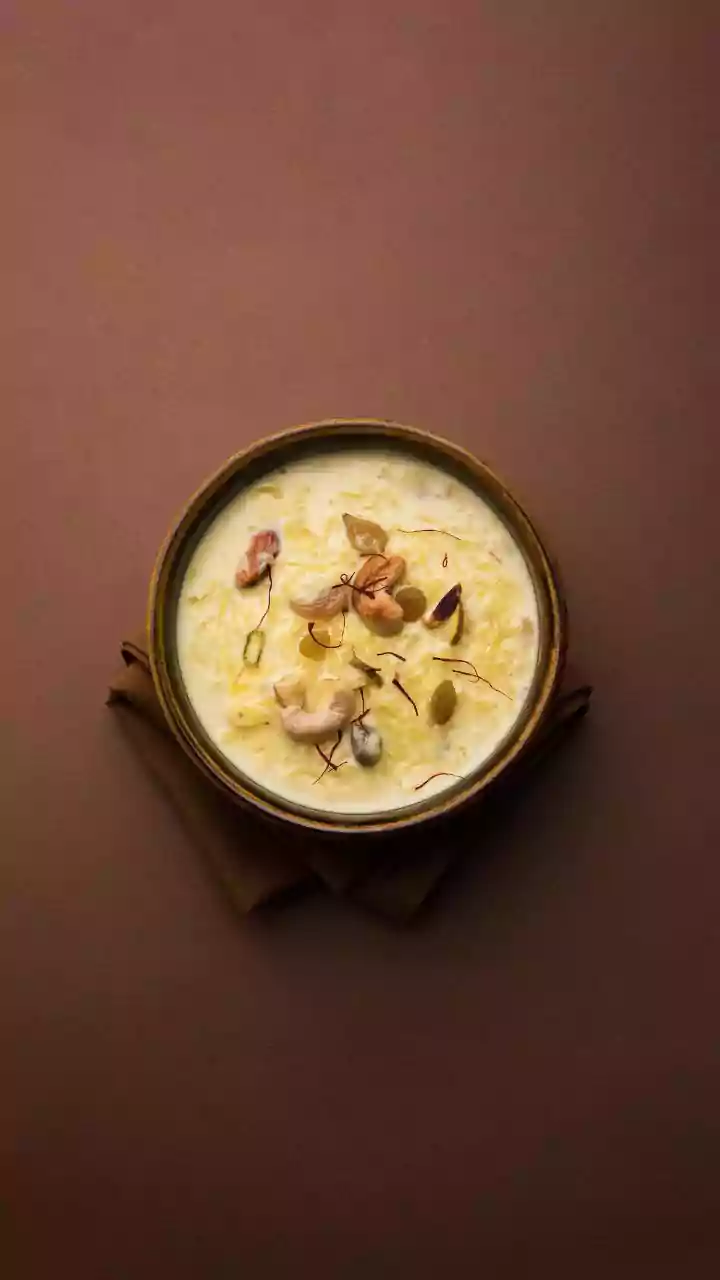
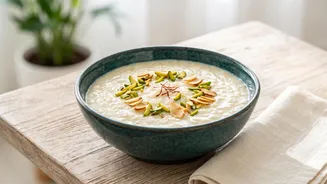
Makhana Kheer, or fox nut pudding, is a beloved dessert, especially during fasting periods like Janmashtami and Navratri. Makhana is light, nutritious, and considered a vrat-friendly ingredient, making this kheer an ideal offering. The preparation involves roasting the puffy lotus seeds in ghee until crisp before simmering them in full-fat milk until it thickens into a creamy consistency. Sweetened with sugar and delicately flavored with cardamom powder and saffron, this kheer strikes a perfect balance between simplicity and indulgence. Some of the roasted makhana can be coarsely crushed to give the pudding a varied, delightful texture.
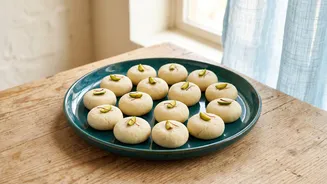
Classic Mathura Peda
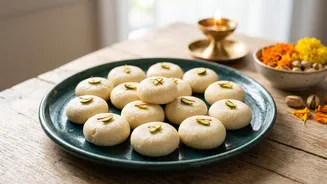
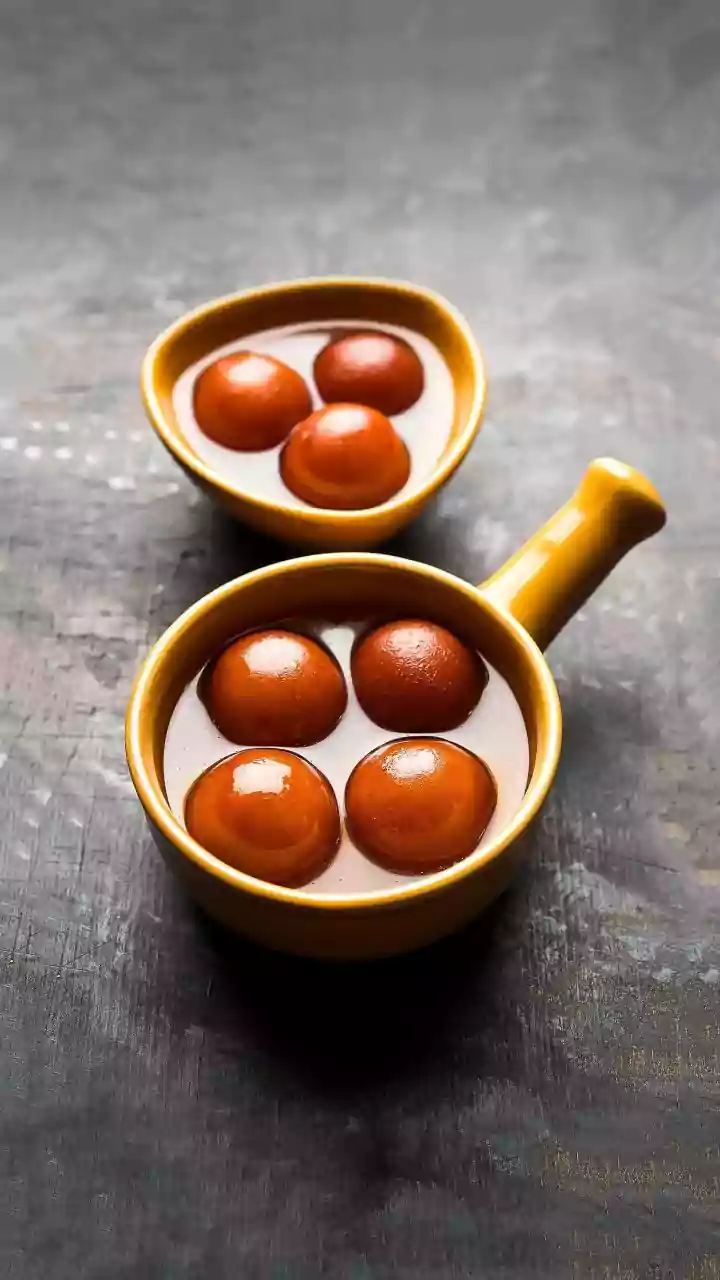
Directly from the holy city of Lord Krishna's birth, Mathura Peda is an iconic sweet that is inseparable from Janmashtami celebrations. This delectable treat is made primarily from khoya (milk solids), sugar, and ghee. What sets it apart is the unique technique of slow-roasting the khoya until it develops a beautiful light brown colour and a slightly caramelized, nutty aroma. The resulting texture is soft yet satisfyingly grainy. Flavoured with cardamom and sometimes rolled in powdered sugar, making these pedas at home brings an authentic taste of Braj to your festive platter.
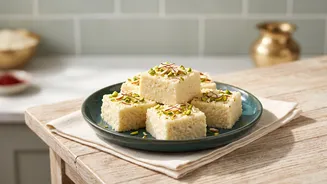
Rich and Grainy Kalakand
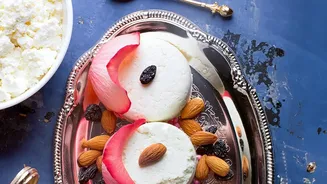
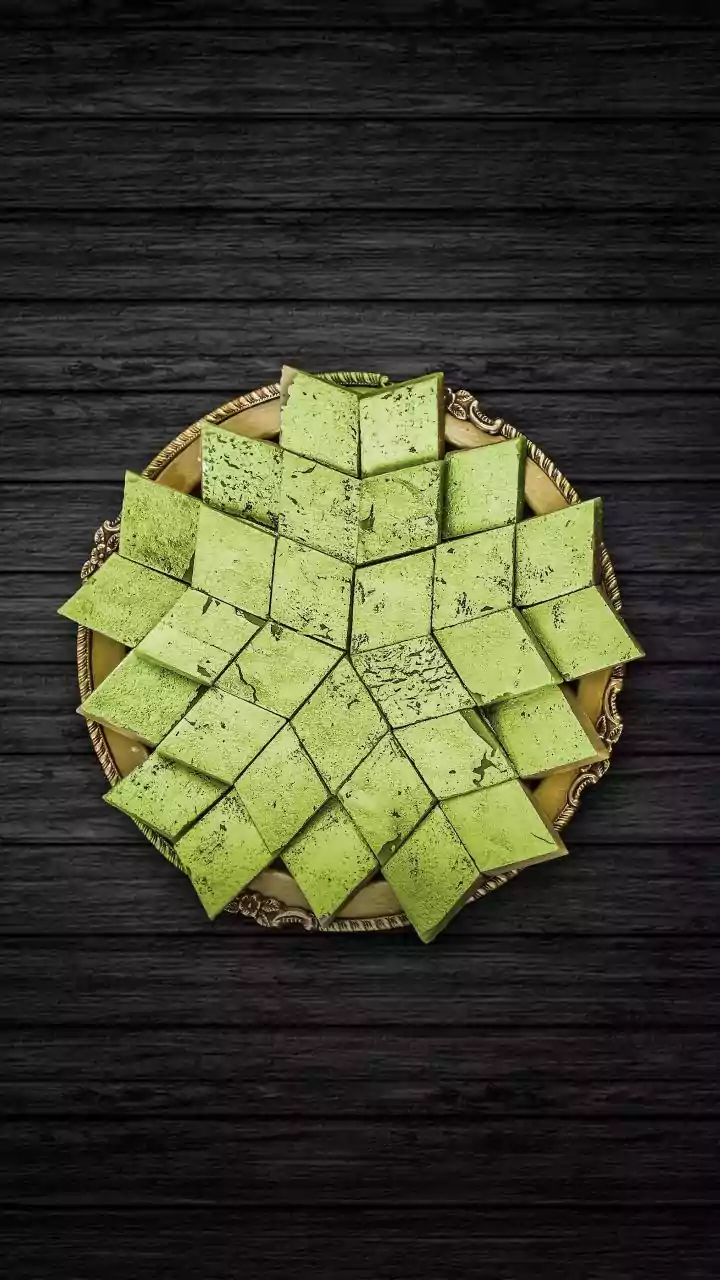
Kalakand is a rich milk cake cherished during Indian festivals for its soft, moist, and grainy texture. It is traditionally made by curdling milk to form 'chenna' (coagulated milk solids), which is then cooked with reduced milk (khoya) and sugar until the mixture thickens into a fudge-like consistency. The process requires patience, as the milk must be stirred continuously to achieve the perfect granular texture that melts in your mouth. Garnished with slivered pistachios and almonds, Kalakand is a decadent bhog that beautifully represents the richness of the festive spirit and Krishna's love for milk-based sweets.
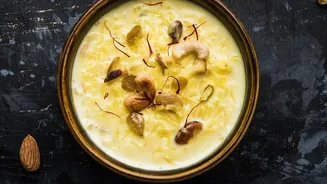
Indulgent and Silky Rabri
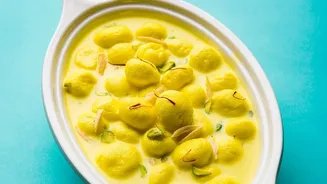
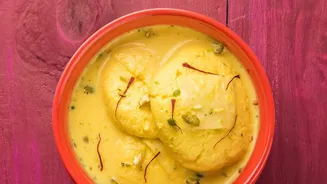
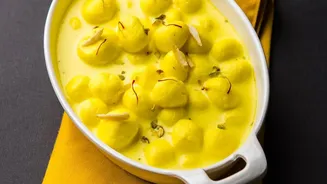
Rabri, or Rabdi, is the epitome of slow-cooked indulgence. This classic dessert is made by simmering full-fat milk in a heavy-bottomed pan for a long time until it reduces and thickens significantly. During this process, the layer of cream (malai) that forms on top is repeatedly moved to the sides of the pan. In the final step, these layers are scraped and mixed back into the thickened milk, giving Rabri its characteristically lumpy, layered texture. Sweetened with sugar and flavoured with saffron, cardamom, and rose water, this creamy delicacy can be served on its own or as an accompaniment to other sweets, making it a luxurious offering for the Lord.