




The Power of Acid
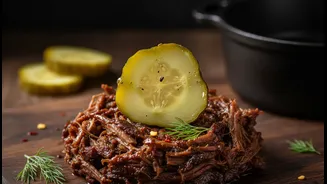
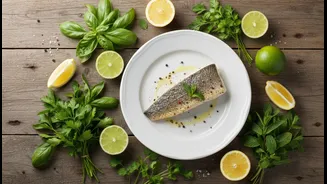
If a dish tastes heavy or like it's missing something, it often needs a hit of acid. Acidity cuts through richness, balances fat, and brightens all the other flavours, making them taste more like themselves. A last-minute squeeze of lemon or lime over
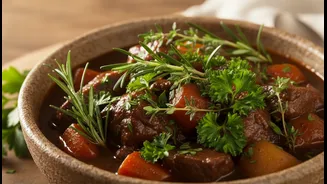
grilled fish, chicken, or roasted vegetables can completely awaken the dish. Similarly, a small splash of vinegar—like apple cider, red wine, or balsamic—can lift heavy stews, soups, and sauces. This simple step is one of the biggest secrets to achieving restaurant-quality flavour at home. Think of it as the culinary equivalent of turning up the lights in a room.
A Shower of Fresh Herbs
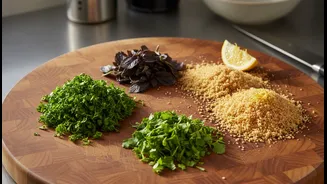
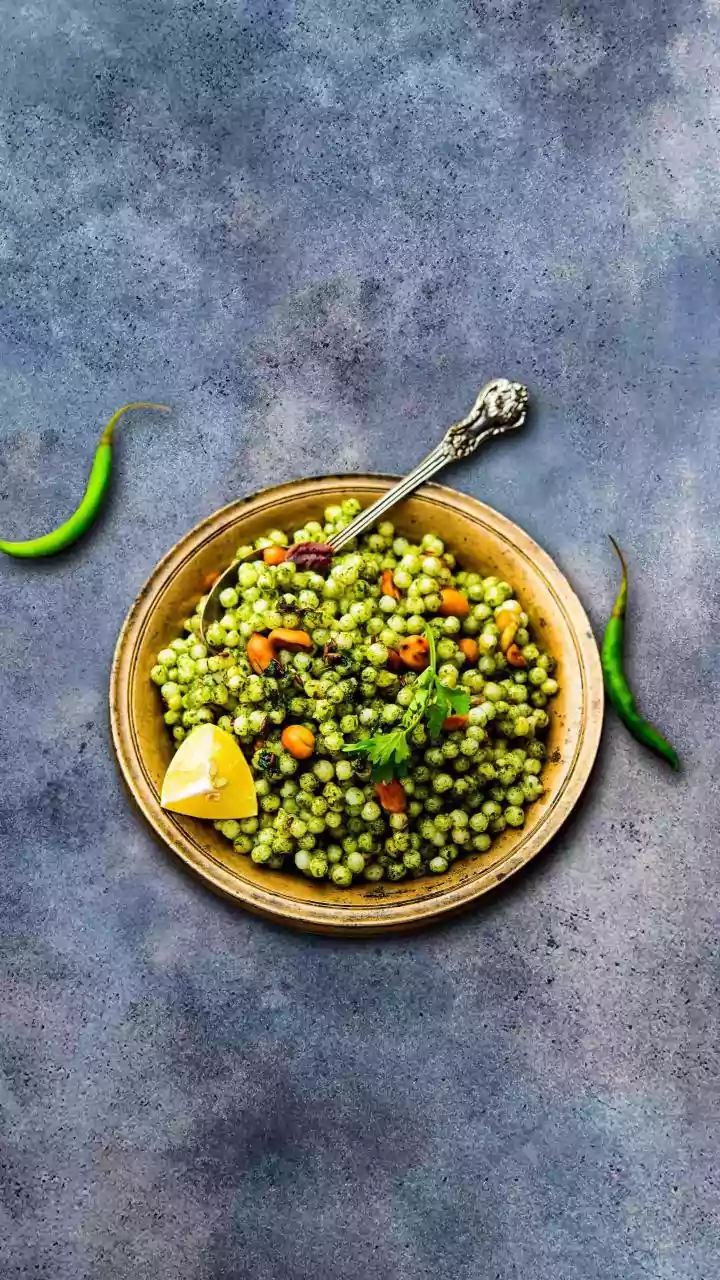
Dried herbs are great for building flavour during cooking, but fresh herbs added at the end deliver an unparalleled burst of freshness and aroma. Delicate herbs like parsley, cilantro, basil, dill, chives, and mint are best added just before serving. Their volatile oils are sensitive to heat, so adding them at the last moment preserves their bright colour and potent flavour. A handful of chopped cilantro can transform a bowl of dal, fresh basil elevates a simple tomato pasta, and a sprinkle of chives adds a delicate oniony note to eggs or potatoes. This isn't just a garnish; it's an essential flavour layer.
The Magic of a Finishing Oil
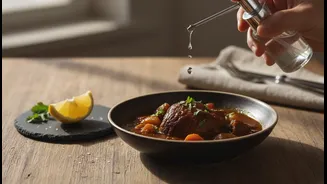
Not all oils are for cooking. A finishing oil is a high-quality, flavourful oil drizzled over a dish right before it's served to add richness, aroma, and a final layer of flavour. Unlike cooking oils which need a high smoke point and neutral taste, finishing oils are all about robust flavour. A golden drizzle of extra-virgin olive oil over a warm soup, toasted sesame oil on a stir-fry, or a nutty walnut oil on a salad can provide depth and a luxurious texture. These oils should not be heated, as it would destroy their delicate flavours and aromas that you are trying to add.
An Element of Crunch
Texture is just as important as taste. A dish that is uniformly soft can become boring to eat, even if the flavour is good. Adding a crunchy element provides a satisfying contrast that keeps your palate engaged. This can be as simple as a sprinkle of toasted nuts or seeds, like almonds or pumpkin seeds, over a salad or grain bowl. Toasted breadcrumbs (panko is especially good for a light, crispy texture), crispy fried onions, or even crushed crackers can add a delightful crunch to casseroles, pastas, and soups. This final touch not only improves mouthfeel but also adds another dimension of flavour.
A Touch of Dairy or Creaminess
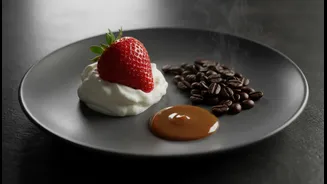
Richness can also be a finishing touch, used to round out sharp flavours and add a velvety texture. A dollop of full-fat yogurt, sour cream, or crème fraîche can mellow the heat in a spicy chilli or curry and provide a cool, tangy contrast. For pasta dishes or soups, a final swirl of heavy cream or a sprinkle of freshly grated Parmesan cheese can bring all the elements together, adding a savoury depth and luxurious mouthfeel. Even a simple pat of compound butter—butter mixed with herbs and garlic—melted over a steak or vegetables just before serving can be a game-changer.