






The Problem with Salt at 30,000 Feet
That bag of pretzels or chips might seem like a harmless travel tradition, but it can set you up for discomfort, especially when flying. High-sodium foods are notorious for causing the body to retain water, which leads to bloating and swelling. When you're
in a pressurized airplane cabin, this effect can become even more pronounced. Air travel itself is dehydrating due to the extremely low humidity in the cabin, which can be as low as 10-20%. Consuming salty foods compounds this problem, forcing your body to pull water from its cells to deal with the excess sodium, which can increase feelings of thirst and may lead to headaches, fatigue, and dizziness. Essentially, starting a journey with a high-sodium snack is a recipe for feeling sluggish and bloated before you even arrive.
More Than Just Chips and Pretzels
When we think of salty snacks, chips and salted nuts are the first things that come to mind. However, many convenient, pre-packaged travel foods are surprisingly high in sodium. Processed meals, cured meats like bacon or salami found in airport sandwiches, dense sauces, and even some snack bars can pack a significant sodium punch. Even food served on the plane is often heavily salted to compensate for how cabin pressure and dry air dull our sense of taste. Being a mindful snacker means reading labels and looking beyond the obvious culprits to avoid starting your trip with a sodium overload that can lead to water retention and discomfort.
Smarter, Hydrating Snack Swaps
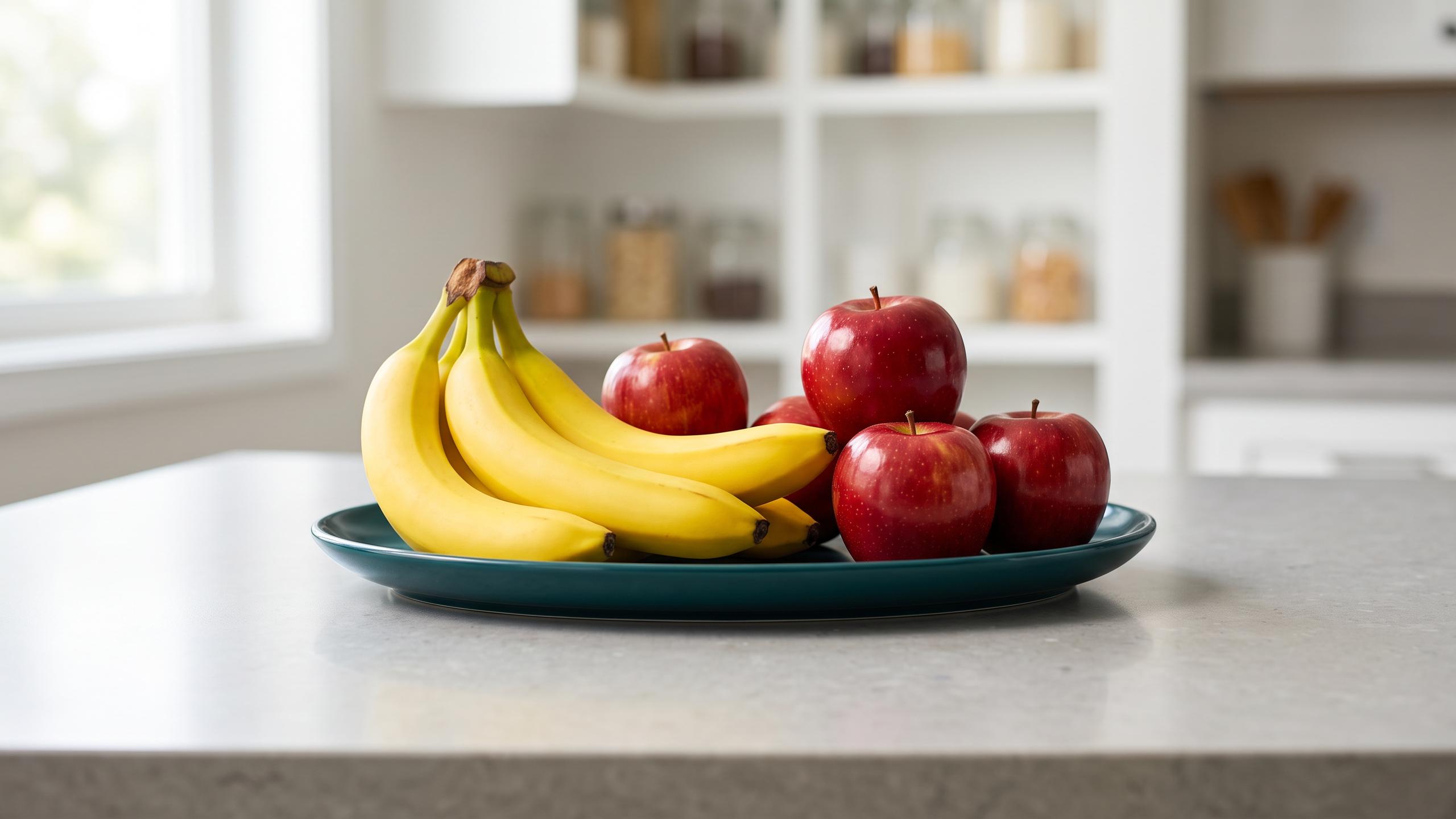
The good news is that there are plenty of delicious and travel-friendly alternatives that will leave you feeling energised. The key is to focus on foods that are hydrating, rich in fibre, and provide steady energy. Fresh fruits are a top choice; apples, bananas, grapes, and oranges are portable and have high water content. Vegetables like baby carrots, celery sticks, and sliced cucumbers are also excellent for hydration and a satisfying crunch. For a protein boost that keeps you full, opt for unsalted nuts, string cheese, or individual pots of Greek yoghurt. If you prepare ahead of time, a simple homemade sandwich on whole-wheat bread or a container of roasted chickpeas can be a lifesaver.
Your Best Friend: Hydration
No discussion about travel wellness is complete without mentioning water. Staying adequately hydrated is the single most effective way to combat the negative effects of dry cabin air and potential bloating. Don't wait until you feel thirsty, as thirst is often a sign that you're already on your way to being dehydrated. Start hydrating well in the 24 hours leading up to your trip. Carry a reusable water bottle and fill it up after you pass through security. Sipping water consistently throughout your journey helps your body manage its fluid balance, counteracts any accidental salt intake, and can prevent travel_related fatigue and headaches. While it may mean a few more trips to the lavatory, your body will thank you for it upon arrival.
Other Foods to Approach with Caution
While salt is a primary concern, other foods can also cause discomfort during a long journey. Greasy or fried foods, for instance, are heavy and slow to digest, which can leave you feeling sluggish. Carbonated beverages are another one to avoid, as the gas in your digestive system can expand at altitude, leading to significant bloating and discomfort. It's also wise to be cautious with alcohol and excessive caffeine, as both can contribute to dehydration. By making simple, conscious choices about what you eat and drink just before and during your travel, you can significantly improve your comfort and arrive at your destination feeling ready to explore.