






The Monsoon's Call
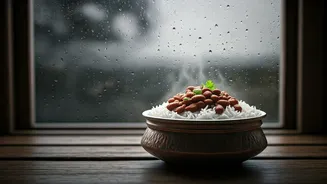
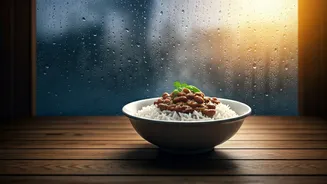
There is a unique romance to the Indian monsoon. It’s a season of relief from scorching heat, a time of lush greenery, and a period that profoundly shapes our moods and appetites. The sky turns a dramatic grey, the world outside slows down, and we are
drawn inwards, seeking warmth and cosiness. This shift is more than just meteorological; it’s emotional. It’s a collective sigh of relief that echoes across the country, and with it comes a change in what we want to eat. The desire for cooling salads and light meals gives way to a yearning for something hot, hearty, and deeply satisfying.
Answering with Pulao
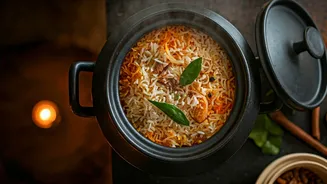
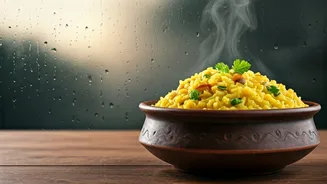
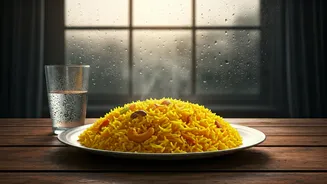
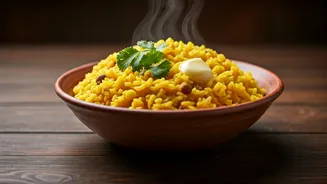
And more often than not, the answer to the monsoon’s call is pulao. Why this specific dish? It’s not just about sustenance. Pulao is a masterclass in culinary comfort. It is a one-pot wonder that feels both simple and special. The foundation of long-grain basmati rice, cooked to fluffy perfection, is a comforting canvas. But it’s the symphony of aromatics—the gentle warmth of cloves, the sweet perfume of cinnamon, the subtle notes of cardamom and bay leaf, all bloomed in hot ghee—that truly elevates it. Each spoonful is a gentle hug from the inside, a perfect antidote to the grey dampness outside.
The Psychology of Comfort
The connection between rain and pulao is rooted in the science of comfort food. On gloomy days, our bodies naturally crave carbohydrates, which can help boost the production of serotonin, the “feel-good” neurotransmitter. Pulao, rich in carbohydrates from the rice, provides an instant sense of well-being. But it goes deeper than brain chemistry. The dish is intrinsically linked to memory and nostalgia. For many, the smell of pulao is the smell of home. It’s the dish that appeared on Sundays, at family gatherings, or when a guest arrived. It carries the emotional weight of celebration, care, and togetherness. When we eat it on a rainy day, we are not just consuming a meal; we are tapping into a reservoir of warm, positive memories.
A Dish as Versatile as the Rain
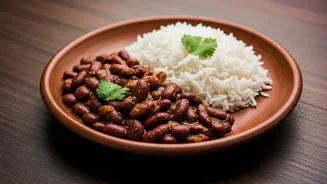
Part of pulao’s enduring appeal is its incredible versatility. It is a dish that changes from one kitchen to another, reflecting the diversity of India itself. There's the simple vegetable pulao, studded with colourful peas, carrots, and beans—a quick and wholesome meal. There's the rich and nutty Kashmiri pulao, adorned with fruits and nuts. The robust Matar Pulao from the North, fragrant with green peas and whole spices, is a classic. Down South, you might find versions subtly spiced with coconut milk. This adaptability means there’s a pulao for every mood and every palate, yet the core feeling of comfort remains unchanged. It can be a simple, solitary pleasure or the centrepiece of a shared meal, always fitting the moment perfectly.
A Modern Ritual of Coziness
In our fast-paced lives, the act of making and eating pulao while it rains has become a cherished ritual. It’s a deliberate choice to slow down, to engage our senses, and to find joy in a simple, tangible pleasure. The sound of the pressure cooker’s whistle becomes a counterpoint to the rhythm of the rain. The aroma filling the house creates a sanctuary of warmth against the world outside. It’s a moment of mindfulness, a celebration of the present. This pairing isn't just about food and weather; it's about creating a pocket of perfect contentment.