






The Farmer’s Lifeline and Gamble
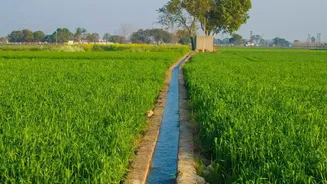
For a vast majority of Indian farmers, the monsoon is the most critical event of the year. With nearly 60% of the country's farmland being rain-fed, the arrival of the southwest monsoon between June and September dictates the success of the Kharif or monsoon crops.
These include staples that form the backbone of the nation's diet: rice, maize, soybean, cotton, and pulses. A timely and well-distributed monsoon means healthy soil moisture, leading to higher crop yields and stable rural incomes. However, the rain is also a source of immense uncertainty. A delayed monsoon can disrupt the sowing schedule, while excessive rain can flood fields, damage standing crops, and ruin a harvest. This delicate balance between just enough and too much rain is a gamble that farmers take every single year, with their livelihoods hanging on the whims of the clouds.
The Perilous Journey to the Mandi
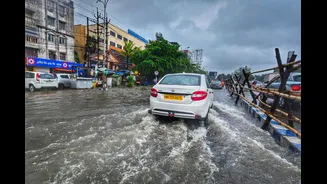
Once the crops are ready, the next challenge begins: getting them to the market. The monsoon that nourishes the crops can also sever the links that connect farms to wholesale markets, or mandis. Heavy rainfall can damage rural roads, cause waterlogging, and lead to significant transportation delays. For perishable goods like fruits and vegetables, this journey is a race against time. A truck delayed by a flooded road can mean a significant portion of its produce spoils, leading to losses for the farmer and transporter. The high humidity during this season also increases the risk of moisture damage and fungal infections, demanding better, often more expensive, packaging and handling. Consequently, the volume of produce arriving at mandis can drop significantly, even if the harvest itself was plentiful. This disruption in the supply chain is a key reason why vegetable prices often become volatile during the rainy season.
The Market’s Volatile Pulse
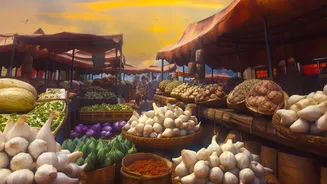
At the mandi, the laws of supply and demand play out in real-time. When monsoon-related disruptions reduce the arrival of fresh produce, but demand from cities remains constant, wholesale prices shoot up. Vegetables are particularly sensitive to these shocks because they cannot be stored for long periods like cereals. A weather event in a key growing state can cause price ripples hundreds of kilometres away. For instance, heavy rains in Maharashtra or Karnataka can lead to a spike in tomato and onion prices in cities like Delhi and Jaipur within days. Traders at the mandi must factor in spoilage rates and uncertain transport schedules, which adds to the final wholesale cost. This volatility is a hallmark of the monsoon period, where the price of a basic vegetable can double or triple in a matter of weeks, reflecting the immediate impact of weather on supply.
The Shopper’s Changing Basket
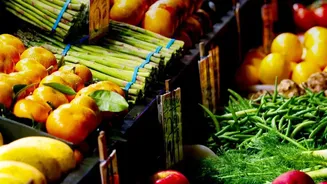
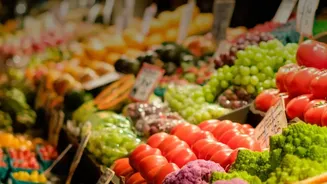
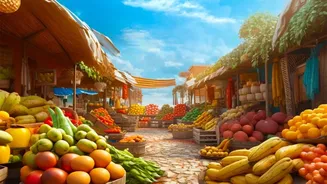
The final link in this chain is the consumer. The price fluctuations that begin on the farm and amplify on the way to the mandi are ultimately felt at the local vegetable stall. Shoppers often find their household budgets squeezed as staples like tomatoes, onions, and leafy greens become more expensive. A report from July 2026, for example, noted that while some vegetable prices fell, sharp increases in others like ginger and garlic drove up overall food expenses. This forces families to adapt, perhaps buying smaller quantities or substituting costly vegetables with more affordable alternatives. At the same time, the monsoon also brings its own bounty. The season sees the arrival of specific produce like corn (bhutta), jamun, and a variety of local greens that thrive in the wet conditions, offering shoppers unique seasonal choices. This seasonal rhythm of scarcity and abundance is a direct reflection of the monsoon's powerful influence on the entire food ecosystem.