



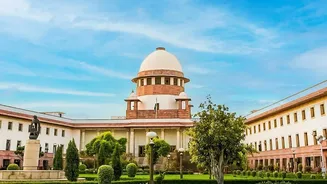
The Supreme Court's Directive
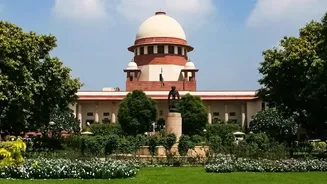
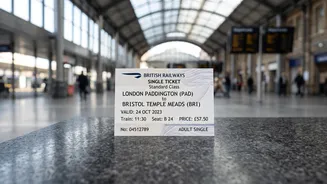
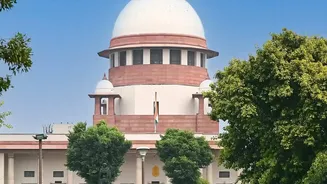
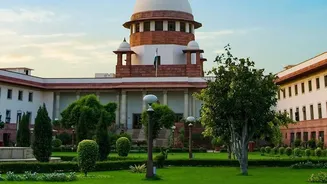
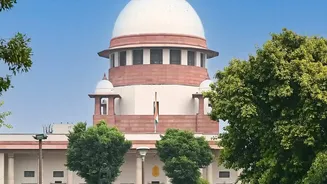
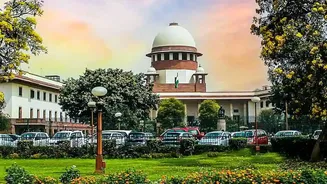
The Supreme Court has mandated that from October 27, 2026, Indian Railways must extend travel insurance coverage to all passengers who purchase tickets from physical counters at railway stations. This directive came after the court noted the failure of
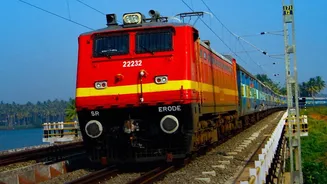
the Railways to create a mechanism to include offline passengers, many of whom are from the lower economic strata and may not have access to online services. The bench, comprising Justices Ahsanuddin Amanullah and R. Mahadevan, stated the order must be implemented mandatorily and held the Railway Board directly responsible for any failure to comply. This decision originated from a petition filed following the tragic Odisha train accident in June 2023, which brought several railway safety issues into sharp focus.
Closing a Critical Safety Gap
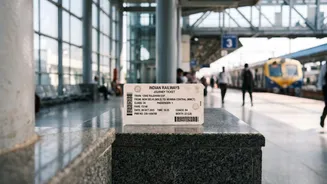
Until now, a significant disparity existed: passengers booking e-tickets via the IRCTC website or app could opt for travel insurance, while those buying tickets at crowded reservation counters could not. This created a two-tier system where passengers without digital access were left without a crucial safety net. The Supreme Court highlighted this discriminatory practice, which disproportionately affected those in remote areas or from marginalised communities who rely on counter bookings. The Balasore accident underscored this gap, as many of the victims in unreserved coaches did not have the benefit of this additional insurance coverage. The new directive aims to ensure that all passengers, regardless of how they purchase their ticket, have equal access to insurance protection.
How Railway Insurance Works
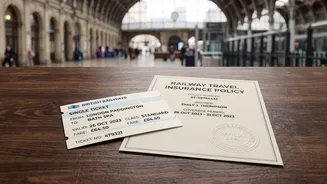
The existing optional insurance scheme for online tickets is offered at a very nominal premium, currently just 45 paise per passenger. Despite the low cost, the coverage is substantial. In the event of a train accident or other untoward incident, it provides up to ₹10 lakh for death or permanent total disability, up to ₹7.5 lakh for permanent partial disability, and up to ₹2 lakh for hospitalisation expenses. The policy also includes a payment of ₹10,000 for the transportation of mortal remains. This insurance is in addition to any compensation mandated under the Railways Act. The court's order intends for this same scheme, or one with similar terms, to be made available to counter-ticket holders.
What Happens Next?
With a firm deadline of October 27, the ball is now in the court of the Indian Railways and the Railway Board. The key challenge will be the logistical implementation across thousands of ticket counters nationwide. The Railways will need to figure out how to manage the process of offering an optional service, collecting the nominal premium, and issuing policy details efficiently during rush hours without causing significant delays. The Supreme Court expressed its dissatisfaction with the slow progress on this and other safety measures like track fencing, warning that it would not tolerate further inaction. The Railway Board is now under direct pressure to roll out the system, with the court scheduling the next hearing for November to review compliance.