







Prioritize Your Primary Goal
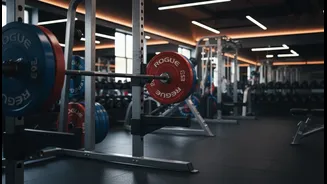
The fundamental rule for structuring your workout is simple: dedicate your best energy to your main goal. If your primary objective is to build muscle and increase strength, you need to hit the weights when your body is fresh and full of energy. Resistance
training requires explosive power and intense focus to lift heavy loads safely and effectively. According to a wide consensus among exercise scientists, performing strength work before endurance training allows you to lift heavier and with better form. Doing so maximizes the mechanical tension placed on your muscles, which is the key stimulus for growth, also known as hypertrophy.
The Science of Your Energy Tank
Think of your muscles having a limited tank of high-octane fuel called glycogen. This stored carbohydrate is what your body primarily uses for quick, powerful movements like squatting, deadlifting, and bench pressing. A single bout of resistance training can significantly deplete these stores. When you perform a cardio session first—especially moderate to high-intensity cardio—you burn through a substantial amount of this precious glycogen. Consequently, when you finally get to the weights, your muscles have less fuel available. This means you won’t be able to lift as heavy or complete as many reps, ultimately compromising the quality of your strength workout and hindering your muscle-building potential.
Fatigue, Form, and Injury Risk
Lifting weights is a skill that demands precise technique. When your muscles are pre-fatigued from a cardio session, your form is more likely to break down. This not only reduces the effectiveness of the exercise by failing to target the intended muscles properly, but it also significantly increases your risk of injury. Trying to perform a heavy compound lift on tired legs or with a fatigued core is a recipe for disaster. By lifting first, you ensure that you can maintain proper form, control the weight throughout the entire range of motion, and provide the safe, effective stimulus your muscles need to adapt and grow stronger.
What If Your Goal Is Endurance?
The 'lift first' rule isn't universal; it's specific to the goal of building muscle. If your main priority is to improve your cardiovascular fitness or train for an endurance event like a 10K or a marathon, the advice flips. In this case, you should perform your cardio session first. This allows you to run, cycle, or swim when you are freshest, enabling you to push your aerobic capacity and build stamina without being held back by muscular fatigue from a prior weightlifting session. For general fitness, where you want a bit of both, the order matters less than consistency, but prioritizing the modality that is more important to you remains a good strategy.
How to Make It Work for You
For the ultimate results in both strength and cardio, many experts suggest separating the two workouts entirely, either by doing them on different days or splitting them into morning and evening sessions with at least six hours of recovery in between. However, for many people, that's not practical. If you need to combine them into one session, the path for muscle gain is clear: lift first. After your weight session, you can perform lower-intensity cardio, such as a 20-30 minute walk on an incline or a light jog. This approach still provides cardiovascular benefits and can aid in fat loss without sabotaging your strength gains. In fact, some studies suggest that doing cardio after lifting may enhance fat burning, as your glycogen stores are already depleted, encouraging your body to use fat for fuel.