





Mind the 'Danger Zone'
The most critical rule in food safety is understanding the 'danger zone'—the temperature range between 40°F (5°C) and 140°F (60°C) where bacteria multiply rapidly. During humid seasons, this process accelerates. The golden rule is to never leave perishable
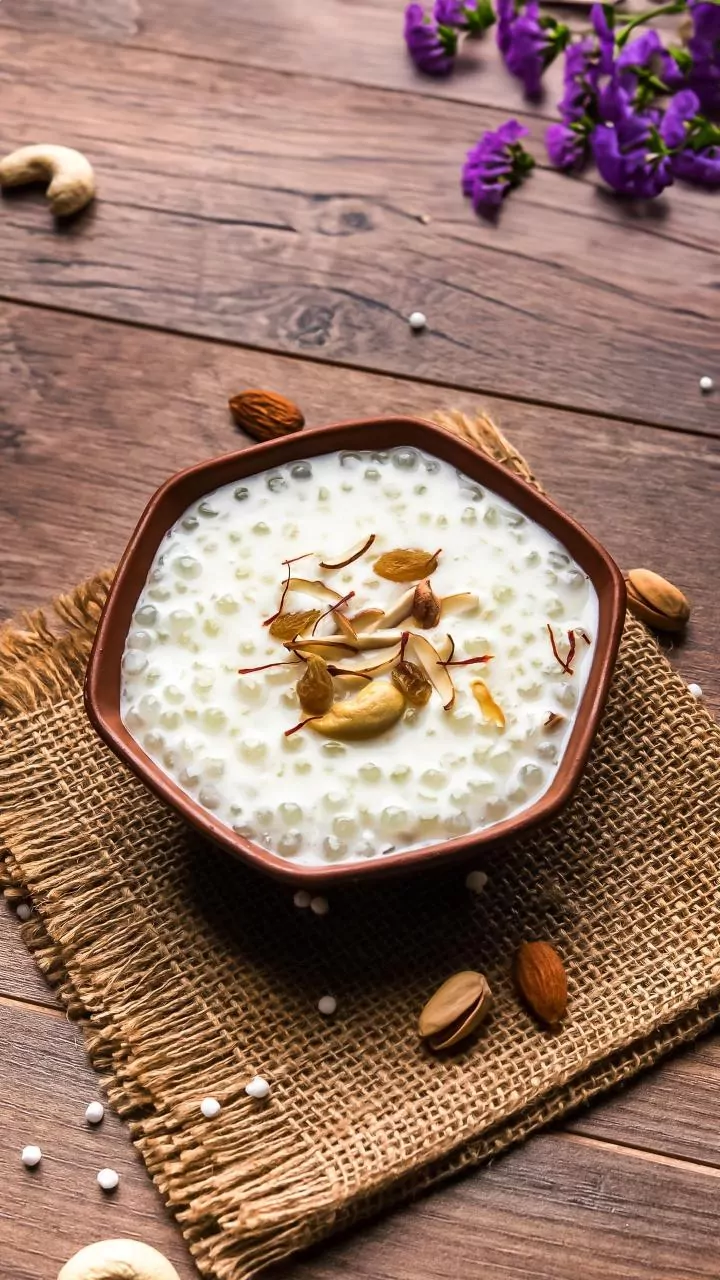
cooked food at room temperature for more than two hours. If the ambient temperature is high, such as over 32°C, this window shrinks to just one hour. This applies to everything from leftover curries and rice to meat dishes and milk-based sweets. High humidity provides the moisture that bacteria like E. coli and Salmonella need to thrive, making prompt refrigeration a non-negotiable habit.
Cool Food Quickly, But Not in the Fridge Hot
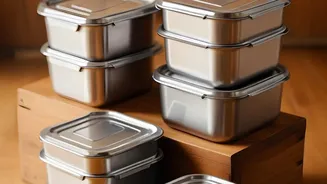
While you need to refrigerate food quickly, you should avoid placing a large, steaming pot directly into the fridge. This can raise the internal temperature of the refrigerator, putting other stored items at risk. Instead, cool cooked food rapidly before storing it. You can do this by dividing large portions into smaller, shallow containers to increase the surface area and allow heat to dissipate faster. Once the steam has stopped rising, cover the containers and place them in the refrigerator. The goal is to get the food cooled and stored within that crucial two-hour window.
Master the Art of Smart Storage
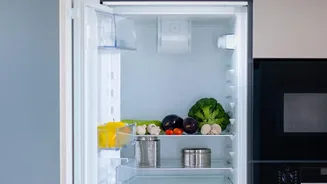
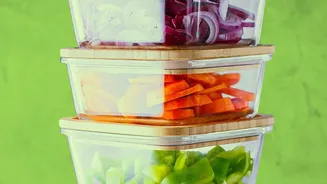
Proper storage is your best defence against spoilage and cross-contamination. Always use airtight containers to seal leftovers. This prevents moisture and airborne bacteria from getting in and also stops odours from spreading in your fridge. The Food Safety and Standards Authority of India (FSSAI) advises keeping your refrigerator temperature below 5°C. A key organisational tip is to store cooked and ready-to-eat foods on the upper shelves of your fridge, and raw meat, poultry, or fish on the bottom shelf. This prevents juices from raw items, which may contain harmful bacteria, from dripping onto and contaminating cooked food.
Reheat Thoroughly, Not Just to Warm
When it's time to eat leftovers, reheating isn't just about making the food palatable—it's about killing any bacteria that may have developed during storage. Simply warming the food is not enough. Whether you use a microwave, oven, or stovetop, make sure the food reaches an internal temperature of 165°F (74°C). It should be steaming hot throughout. If you're using a microwave, stir the food partway through to ensure even heating and eliminate cold spots where bacteria can survive. Avoid reheating the same batch of leftovers multiple times, as this repeated cooling and heating cycle gives bacteria more opportunities to grow.
Maintain Flawless Kitchen Hygiene
Your food is only as safe as the environment in which it is prepared. During humid weather, kitchen surfaces can become breeding grounds for germs. It’s essential to wash your hands with soap and water before handling food, after touching raw meat, and after coming in from outside. Use separate cutting boards for raw meats and vegetables to prevent cross-contamination. Regularly clean and disinfect countertops, stovetops, and sinks. Don't forget to wash kitchen towels and sponges frequently, as damp cloths can harbour millions of bacteria in a humid environment.
When in Doubt, Throw It Out
This is the most straightforward yet often ignored piece of advice. You cannot always see, smell, or taste the bacteria that cause food poisoning. If food has been left out for too long, or if you have any doubts about its freshness or how it was stored, it is always safest to discard it. Eating questionable leftovers is never worth the risk of falling ill with a stomach infection, especially during the monsoon when such illnesses are more common. Foods like cooked rice, coconut-based chutneys, and cut fruits are particularly susceptible to spoiling quickly in warm, humid conditions.