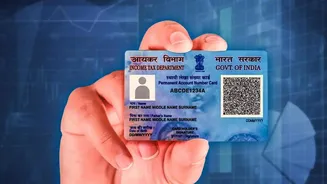








The Reissue Process Explained
Before the two-week delivery clock starts, you must first apply for a reissue or reprint. This is done online through one of two officially authorised portals: Protean eGov Technologies (formerly NSDL e-Gov) or UTI Infrastructure Technology and Services
Ltd (UTIITSL). It is crucial to use the same portal that issued your original PAN. A 'reprint' is for when your card is lost or damaged, but your details (name, address, etc.) have not changed. If you need to update information, you must file for a 'Change/Correction'. The application involves filling out a form, paying a fee (around ₹50 for delivery in India), and authenticating your request.
Understanding the Two-Week Timeline
The much-cited two-week or 15-day timeline generally refers to the period after your application is successfully processed and the physical card is dispatched. It is not two weeks from the moment you submit your application. Processing itself can take a few days as your details are verified. Once processed, the card is printed and handed over to India Post, usually for delivery via Speed Post. For addresses in metro and urban areas, delivery can take 7 to 15 working days. However, for remote or rural locations, this period can extend to 20 or even 30 days.
How to Track Your Application Status
You do not have to wait in the dark. After submitting your application, you will receive a 15-digit acknowledgement or coupon number. You can use this number on the NSDL or UTIITSL portal to check the status of your application. The status will show if your application is 'under process', 'approved', or 'dispatched'. Once it shows 'dispatched', the portal may also provide a Speed Post consignment (tracking) number. You can use this number on the India Post website to track the parcel's journey right to your local post office.
Common Reasons for Delivery Delays
If your card has not arrived within the expected timeframe, several factors could be at play. The most common cause for a failed delivery is an incorrect or incomplete address. Missing house numbers, wrong PIN codes, or vague landmarks can prevent the postal service from finding you. Other reasons include the receiver not being available at home during the delivery attempt, an inactive mobile number provided on the application, or general postal delays due to holidays or high volumes. If delivery fails multiple times, the card will be marked 'Returned to Sender' (RTS) and sent back to the issuing authority.
Your Digital Alternative: The e-PAN
While you wait for the physical card, do not forget about the e-PAN. An e-PAN is a digitally signed, electronic version of your PAN card, delivered as a password-protected PDF file. It is generated much faster than the physical card, often within a day or two of your application being processed. The e-PAN holds the same legal validity as the physical card and is accepted for most financial and KYC purposes, including filing taxes and opening bank accounts. It serves as a perfect and legitimate stopgap, ensuring your financial activities are not halted while you await postal delivery.